
- The Importance of Animal Care at the Zoo
- Insights into Rhinoceros Species and Conservation Efforts
- Fascinating Aspects of Pygmy Hippos and Their Habitats
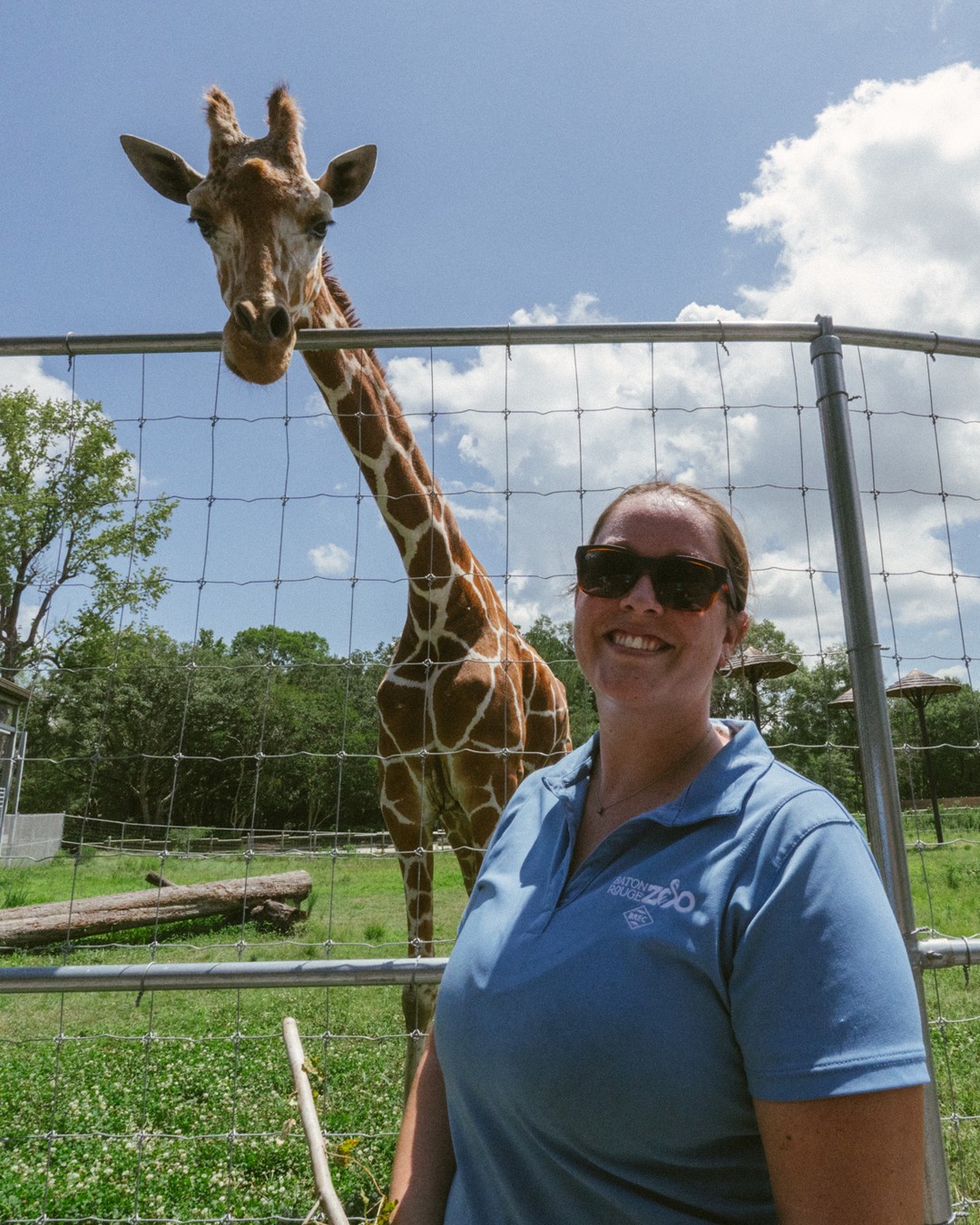
- The Role of Giraffes in the Ecosystem and Their Care Needs
- The Value of Connection in Zoo Work and Animal Learning Experiences
Alicia has gained a wealth of experience through her time at the zoo, focusing on animal care and conservation. Her passion extends to several species, particularly rhinoceroses, pygmy hippos, and giraffes. These animals each play significant roles within their ecosystems and require specialized care. Her deep understanding of these creatures informs her daily responsibilities and interactions.
Animal care at the zoo is indispensable, as it directly impacts the well-being of the resident species. This role not only involves feeding and cleaning habitats but also encompasses behavioral enrichment and veterinary care. These tasks are essential in creating a stimulating environment for the animals. Just as humans need recreation and socialization, wildlife also benefits from activities that encourage natural behaviors. For example, enrichment could involve puzzle feeders that promote foraging, or structures that replicate natural habitats to inspire climbing and exploration.
With a specific focus on rhinoceroses, Alicia has observed their characteristics closely. There are five extant species of rhinos: white, black, Indian, Javan, and Sumatran, each experiencing varying degrees of threats from poaching and habitat loss. The conservation of these magnificent creatures is crucial; their presence in the ecosystem helps maintain the balance. For instance, rhinos play a vital role in shaping their habitats by grazing on grass, which, in turn, encourages new plant growth and maintains biodiversity.
The unique anatomy of rhinos is particularly interesting. They possess thick skin that offers protection against the sun and environmental hazards. Despite their size, rhinos can run surprisingly fast, reaching speeds of up to 30 miles per hour. Understanding their behavior and physical traits helps caregivers like Alicia assess health and well-being. Regular veterinary check-ups and monitoring for signs of illness ensure that the animals receive timely interventions.
In addition to rhinos, Alicia has a keen interest in pygmy hippos. This species is relatively small compared to its more famous cousin, the common hippopotamus. Native to the dense forests and swamps of West Africa, pygmy hippos are semi-aquatic and require a habitat that merges land and water. Their diet primarily consists of grasses, fruits, and leaves. Alicia emphasizes the importance of knowing the specific needs of pygmy hippos. For instance, since they have a sensitive skin structure, access to water is essential for their survival.
Pygmy hippos are seldom seen in the wild and are classified as endangered, making zoos critical refuges for their conservation. Captive breeding programs aim to increase their population and raise awareness about their plight. In her daily work, Alicia participates in activities that promote the well-being of these animals and contribute to scientific knowledge about them, such as behavioral studies that monitor activity patterns and social interactions.
Alicia’s admiration for giraffes, particularly Rosie, emphasizes the strong bonds that can form between caregivers and animals. Giraffes are recognizable for their long necks and unique coat patterns, which serve as camouflage in their native savannas. Interestingly, giraffes are browsing herbivores, feeding primarily on leaves and shoots found in tall trees. This dietary choice has fascinating implications for woodland ecosystems, as giraffes help shape plant communities by selectively feeding on certain species.
Caring for giraffes is a multifaceted responsibility that includes not only their dietary needs but also social interaction and enrichment. For these creatures, a supportive environment involves opportunities to engage in natural behaviors, such as reaching for high foliage. Additionally, understanding their social structures is crucial; giraffes are social animals and typically thrive in groups. Regular training sessions improve the animals’ quality of life, facilitating better communication and cooperation during veterinary procedures.
Work at the zoo offers unique opportunities for learning, as Alicia expresses a deep gratitude for her experiences. Through her interactions, she gathers valuable knowledge about animal health, behavior, and welfare. This knowledge is vital not just for daily care but contributes to a larger understanding of wildlife management and conservation. Together with her colleagues, Alicia formulates strategies that promote optimal care, ensuring that each animal receives individualized attention.
Building relationships with both animals and fellow staff fosters a supportive environment in which all can thrive. Each day presents new challenges and rewards; even small victories can create lasting memories. Alicia recounts moments spent observing Rosie, the giraffe, as she gracefully navigates her environment. These instances deepen her appreciation for the species and reinforce her commitment to conservation.
Furthermore, interactions with visitors to the zoo serve as opportunities for education and advocacy. Sharing information about rhinoceros conservation, pygmy hippos, and giraffes raises awareness and encourages support for these animals. By engaging visitors, the zoo plays an essential role in promoting a broader understanding of wildlife conservation and encouraging responsible stewardship of the environment.
Through her journey, Alicia has realized that her work is about more than just animal care; it’s about connection. Each animal at the zoo has its own story, and understanding these narratives allows caregivers to provide better support and nurture their needs. The relationships formed contribute to a more profound appreciation of wildlife, offering insights that extend well beyond the confines of the zoo.
Working in this environment also teaches flexibility and adaptability. Animal care requires constant adaptation to changing conditions, whether it be seasonal weather shifts or fluctuating animal behaviors. The need for continuous learning is ever-present—each day brings new observations that can inform practice. It is not uncommon for caregivers to share experiences and knowledge, creating a collaborative atmosphere focused on animal welfare.
Additionally, conservation efforts extend beyond the animals at the zoo. Alicia often participates in community outreach initiatives aimed at educating the public about conservation issues affecting wildlife in their native habitats. These programs not only inform the community but also inspire action toward supporting various conservation organizations dedicated to protecting endangered species. By fostering connections between the public and wildlife, programs like these help bridge the gap between education and action.
The multifaceted role of zoos in animal conservation cannot be understated. Many species, like the rhinoceros and pygmy hippo, have successfully been bred in captivity, thanks to dedicated teams of zookeepers and veterinarians. Collaborative efforts across various institutions lead to genetic diversity preservation, which is crucial for long-term survival. As Alicia navigates her work, she sees firsthand the impact that these efforts can have on endangered species.
Moreover, wellness and enrichment activities are vital components of a thriving zoo environment. Engaging animals in play, providing different sensory experiences, and arranging social activities contribute to their overall health. Positive behavioral reinforcement is applied during training sessions, encouraging trust and cooperation between animals and caregivers. Such practices help ensure that the animals remain physically and mentally stimulated.
Finally, Alicia’s passion for her work fosters a deeper understanding of the crucial balance between species and their ecosystems. From rhinos and pygmy hippos to giraffes, each animal plays a role that influences their environment. In light of urgent global conservation challenges, her experiences reflect the importance of protecting these species for the future. The connection she feels with the animals reinforces the commitment to animal welfare, conservation, and public education.
Through her journey at the zoo, Alicia has embraced the moments that shape her experience. Each interaction—from caring for Rosie the giraffe to observing the behaviors of the pygmy hippos—reinforces her dedication to animal care and conservation. The challenges and triumphs intertwine to create a meaningful narrative that embodies her love for these incredible animals.
*****
Source Description
Alicia’s seen it all at the Zoo especially when it comes to rhinos, pygmy hippos, and giraffes. 🦏🦛🦒
But Rosie, our female giraffe, is her girl.
With so many moments — big and small — it’s memories like these that make the long days in the sun, rain, and even snow, more than worth it. “”Working here gives great opportunities to learn and gain more experience to give the best care to our animals. I feel extremely fortunate to have the chance to make connections with the animals I care for and strong relationships with the people I work with. I wouldn’t want to do anything else!””
