
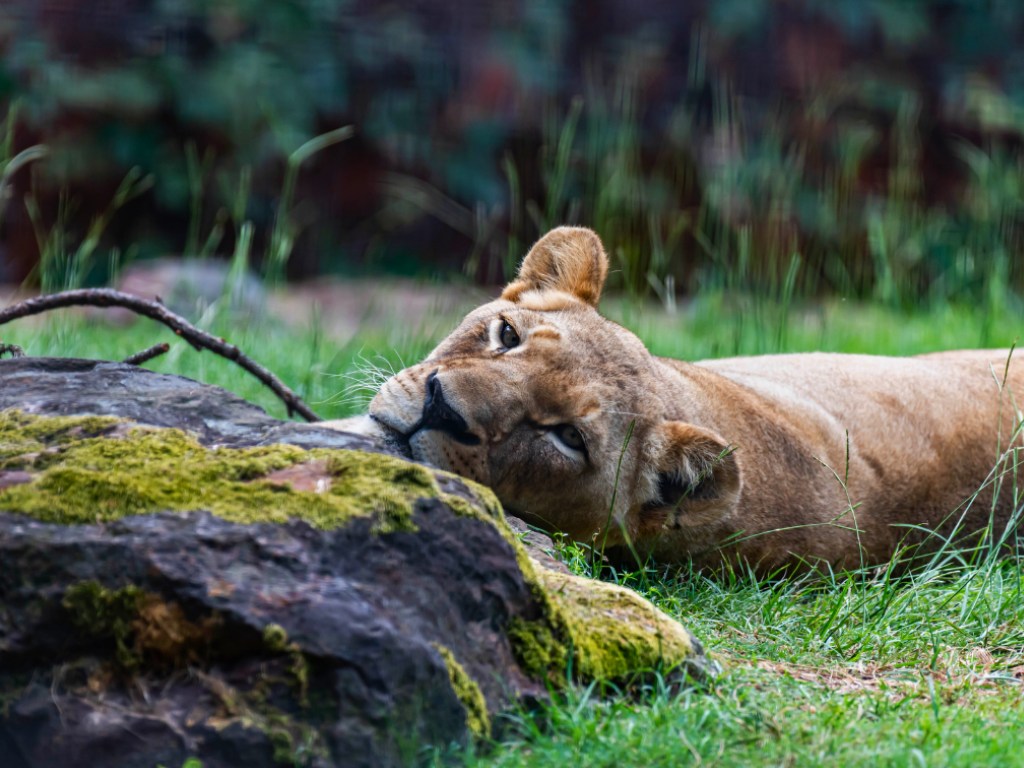
- Njeri’s background and significance in the animal kingdom
- Birthday celebrations and special dietary needs for lions
- The unique physiology and behavior of African lions
- The role of zoos in wildlife conservation and education
- How individuals can contribute to lion conservation efforts
Njeri the African lion is not just any cat; she represents a proud species that has roamed the African savanna for thousands of years. Turning 14 today, Njeri showcases all the traits that make lions fascinating. With a robust golden mane and a social nature, she exemplifies the characteristics that help lions thrive in their natural habitat. Known as apex predators, African lions are crucial to maintaining the balance of their ecosystems. Celebrating Njeri’s birthday is an opportunity to highlight her importance and to educate the public about lions and their natural history.
As most of us know, birthdays come with special treats, and Njeri is no exception. At 14 years old, she is entering a significant phase of her life. Lions in the wild generally have a lifespan of about 10 to 14 years, while those in managed care, like Njeri, may live longer due to veterinary care and access to nutritious diets. Zoo diets are closely monitored to ensure optimal health and well-being; for Njeri, this means enjoying meaty delights on her birthday. These dietary considerations are vital for her overall health, as lions require a balanced diet that contains sufficient protein, vitamins, and minerals. Celebrating this day highlights the tailored approach that zoos take toward animal care.
The physiology of African lions contributes immensely to their role as powerful predators. Males typically weigh between 330 and 550 pounds and boast a distinctive mane that signifies maturity and health. On the other hand, females usually weigh between 265 and 400 pounds and are responsible for hunting and nurturing cubs. Their social structure, often seen within prides, involves complex interactions and hierarchies that dictate roles. Females tend to form strong bonds that allow them to cooperate during hunts, while males engage in protecting the pride’s territory. This intricate social behavior showcases the lion’s adaptability and highlights their significance in their ecosystems.
Zoos serve a crucial purpose beyond mere entertainment. They function as living museums where people can learn about wildlife conservation and the roles various species play in their ecosystems. By showcasing animals like Njeri, zoos provide invaluable educational experiences. Guests have the unique opportunity to observe and learn about African lions firsthand. These facilities are increasingly focused on conservation, creating breeding programs and initiatives aimed at strengthening dwindling populations in the wild. Njeri is one of many ambassadors for her species, helping the public understand the importance of protecting lions and their habitats.
An often-overlooked aspect of lion conservation is what individuals can do to make a difference. Awareness is the first step. As you celebrate Njeri’s birthday, consider how local and global initiatives can help conserve lion populations. Supporting organizations that focus on habitat preservation or anti-poaching efforts is vital. Donations to wildlife conservation groups contribute to initiatives aimed at rehabilitating and protecting habitats that lions call home. Additionally, educating others about the challenges lions face, such as habitat loss and human-wildlife conflict, can contribute to a broader understanding and eventual solutions.
As we gather to celebrate Njeri’s 14th birthday, it’s essential to reflect on what she represents: resilience, strength, and the need for conservation. Her presence at the zoo offers a glimpse into the life of African lions and the challenges they face in a rapidly changing world. Each guest wishing her a happy birthday becomes part of a larger conversation about safeguarding the future of lions. This celebration is not just a remembrance of Njeri’s life but a rallying point for everyone to engage in efforts that protect wildlife.
Many individuals might not realize that while lions are often referred to as “king of the jungle,” their true habitat lies mostly in savannas and grasslands. Their territories can stretch to 100 square miles, depending on the availability of prey and resources. The social structure of lions, with pride dynamics and territorial battles, plays a critical role in maintaining population balance. Understanding these aspects is key for anyone wanting to appreciate what it takes for lions like Njeri to survive in the wild.
Lions have adapted various strategies for hunting, often employing teamwork among pride members. This social hunting directs focus on the elderly or weaker prey, ensuring sustainability for their community. The lions’ ability to adapt to environmental changes is tested often, demanding flexibility and resilience. External threats such as habitat encroachment have increased human-wildlife conflict, which complicates these survival strategies. As we recognize Njeri’s milestones, we must also acknowledge these external threats and their implications on her wild counterparts.
Over the years, Njeri has become a cornerstone of her zoo community. Visitors have effectively built a connection with her, often returning to learn more about her life and the ecological issues surrounding lions. Some zoos implement interactive programs, allowing guests to observe feeding sessions or participate in educational talks. These experiences foster a deeper emotional bond between humans and wildlife, crucial for cultivating a conservation mindset. Observing Njeri and learning about her habits not only entertains but also informs visitors regarding broader ecological topics, serving to elevate public awareness.
Moreover, the importance of research on species like Njeri cannot be understated. Lions are a focal point for numerous studies regarding genetics, ecology, and behavior that are pivotal for the conservation movement. Findings from these studies help inform breeding practices and management strategies in zoos and wildlife reserves. The gathered data over the years has been instrumental in understanding pride dynamics and how they can adapt to threats. Through these insights, conservationists design programs that help reintroduce lions into their natural habitats when needed.
As Njeri celebrates her birthday today, the role of zoos and comprehensive wildlife initiatives becomes increasingly evident. Looking beyond the festive atmosphere, there is significant work being undertaken to address the conservation challenges lions face. Every individual, every guest, has a part to play in supporting this critical line of work. By choosing to engage with wildlife positively, everyone can contribute to sustainable practices and conservation efforts that can help pave the way for future generations of lions to thrive in their natural ecosystems.
This birthday celebration serves not just as a joyous occasion for Njeri, but also a reminder that her story is interwoven with broader issues affecting African lions worldwide. Protecting these magnificent creatures requires collective action. As we raise a toast to the coolest cat in all the land, let us also commit to preserving her kin in the wild. A moment to celebrate Njeri’s life signifies an enduring responsibility to safeguard lions everywhere.
It is indeed a fascinating time to be part of this ongoing conversation about wildlife conservation. Njeri’s life embodies the synergy between adaptability and resilience, essential traits for any species facing the many challenges posed by modern life. On this special day, the spotlight is on her, yet the narrative must extend beyond her into the larger realm of conservation for future generations. The more we grasp the intricacies of her world, the closer we come to achieving effective strategies for preserving it.
*****
Source Description
Happy Birthday to the coolest cat in all the land, Njeri the African lion!🎂 Njeri turns 14 today and is looking forward to some extra delicious meaty treats for her special day. She is well-known for her golden fur, larger-than-life personality, and supreme napping expertise. Swing by the Zoo today to see Njeri and wish her a very happy 14th! 🦁
