
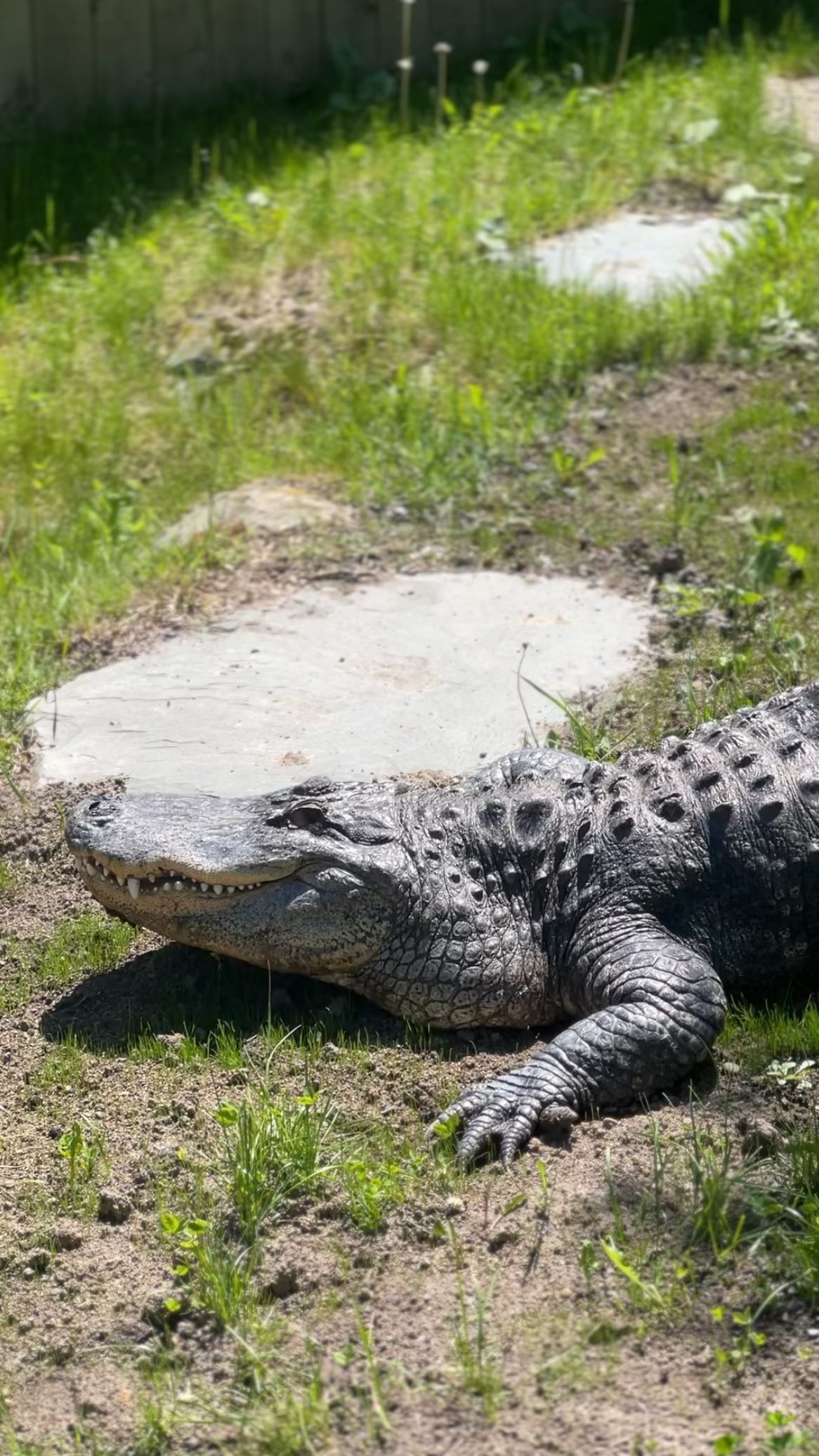
- Insights into the seasonal relocation of alligators and its significance.
- Role and expertise of Sylvain Fortin in the process.
- Comprehensive look into the procedures and considerations in moving alligators.
- Conservation and educational impact of seasonal habitat changes.
- Interaction between zoo management, wildlife care, and ecological preservation.
The seasonal relocation of alligators to their summer habitat is an intriguing aspect of zoo management that emphasizes the commitment to the well-being of these reptiles. It involves precise planning and execution, ensuring that the alligators can thrive in a setting that closely mirrors their natural environment. This process not only underscores the adaptability and resilience of alligators but also highlights the intricate balance between natural instincts and human-facilitated environments.
Sylvain Fortin, a seasoned technician in animal care, plays a vital role in orchestrating this movement. With extensive knowledge in zoology, he manages the logistics of the transfer, ensuring that the alligators experience minimal stress and maintain optimal health. Fortin’s expertise shines in his ability to assess environmental conditions and prepare the alligators for relocation. This includes monitoring their dietary needs, health status, and social interactions. His approach underscores the interdisciplinary nature of animal care, blending science with practical experience.
The actual process of moving alligators involves several key steps that prioritize safety and animal welfare. The initial phase includes health assessments, which are crucial in identifying any potential risks associated with the move. Once they are deemed fit for relocation, the alligators are carefully transported using specialized equipment that minimizes movement-related stress. This often includes tailored enclosures that allow for adequate space, temperature control, and humidity, all of which are essential for the reptiles’ comfort.
Another aspect of this relocation is reinforcing the alligators’ behavior and acclimation to new surroundings. Understanding their behavioral patterns is crucial for anticipating how they will interact with the summer habitat. Animal caregivers ensure that these environments are enriched to stimulate natural behaviors, providing challenges and opportunities similar to those they would encounter in the wild. This enrichment includes features like basking spots, water areas for swimming, and places for hiding and hunting.
Conservation efforts are closely tied to these relocations. By facilitating these transitions, zoos can educate the public about the importance of habitat preservation and the challenges faced by alligators in the wild. This educational component not only raises awareness but also fosters a deeper connection between visitors and the wildlife they observe. The role of zoos extends beyond entertainment, serving as critical hubs for conservation and public engagement.
Zoo management must align with ecological preservation initiatives. This involves collaboration with researchers and conservationists to ensure that all aspects of the alligators’ well-being are considered. Zoos become platforms for research, studying alligator behaviors, health, and adaptation strategies. The result is a comprehensive approach that benefits the animals and the broader scientific community.
The integration of wildlife care and ecological principles extends to the design of the alligator habitats. These environments mimic natural conditions, promoting health and longevity. By prioritizing habitats that reflect seasonal variances, zoos contribute to maintaining the alligators’ natural rhythms and routines. This consideration of natural cycles is critical for the mental and physical health of captive wildlife.
In sum, the movement of alligators to their summer habitat is a complex endeavor that involves careful attention to the needs of the animals and the expertise of professionals like Sylvain Fortin. It reflects a broader commitment to wildlife conservation, education, and the ongoing effort to bridge human understanding with natural ecosystems. Through these efforts, zoos can continue to build essential connections between people and the vital work of preserving the planet’s biodiversity.
*****
Source Description
C’était au tour des alligators de rejoindre leur habitat estival! 🐊☀️ Sylvain Fortin, technicien en soins animaliers, vous dévoile les coulisses de ce déplacement fascinant qui permet à nos reptiles de retrouver leur environnement extérieur! 🤩
