
- Connection between Aloha Friday and weekend culture
- Significance of frogs in ecosystems and cultural symbolism
- Behavioral adaptations of frogs
- Impact of environmental changes on frog populations
- Conservation efforts to protect frogs and their habitats
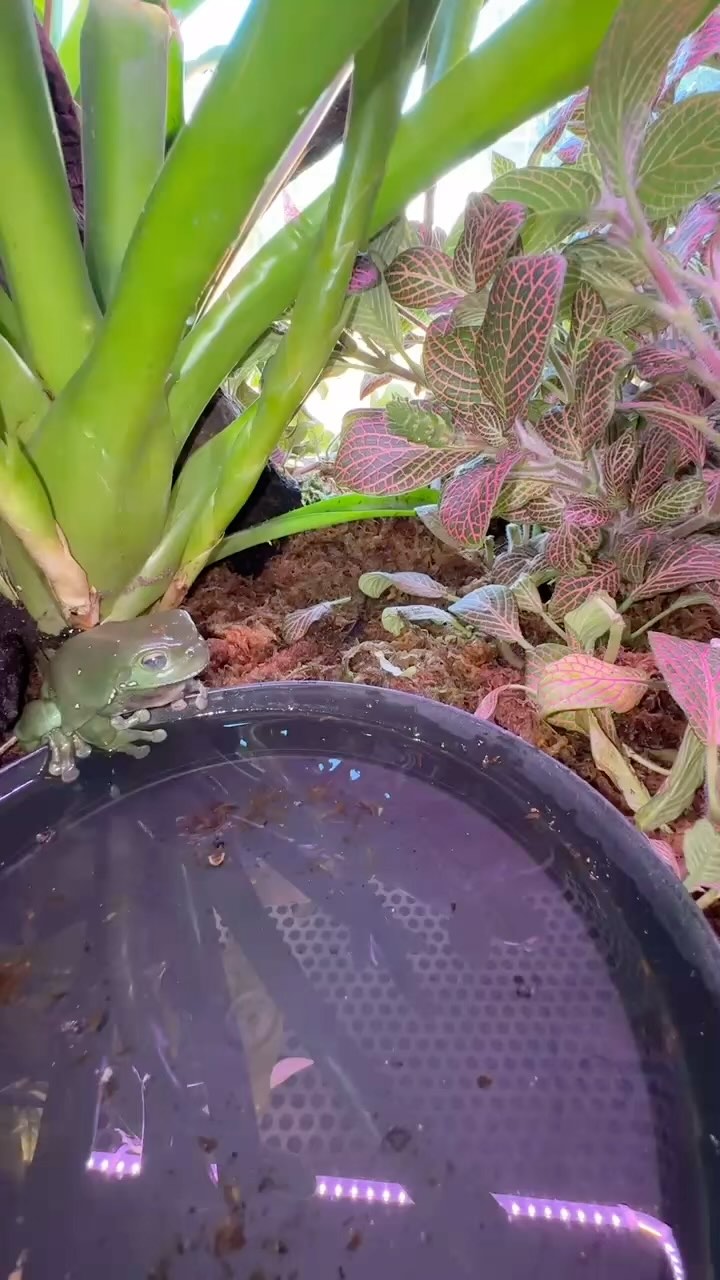
Aloha Friday and the shift into the weekend have become cultural phenomena symbolizing the embrace of leisure, fun, and relaxation. Originating from Hawaii, Aloha Friday marks the end of a work week with festivities and a laid-back attitude that has transcended its geographic origins. It’s a celebration of positive vibes, similar to many weekly traditions across various cultures that signify a time for relaxation and social gatherings. As our vibrant frog leaps enthusiastically into the weekend, it reminds us of this intrinsic human desire to unwind.
Frogs hold a fascinating role in the ecosystem and possess profound cultural symbolism. Ecologically, they are indicators of environmental health, given their sensitivity to changes in the ecosystem. Cultural narratives often reflect frogs as symbols of transformation and adaptability. Across various cultures, frogs have been depicted in myths and folklore, symbolizing prosperity, renewal, and fertility. This makes them both intriguing subjects for ecological studies and cultural reflections.
Behavioral adaptations in frogs are a testament to their evolutionary successes. Frogs have developed an array of survival strategies, such as hibernation, vocal communication for mating calls, and skin adaptations for moisture retention. These adaptations are vital for their survival across diverse habitats, ranging from tropical rainforests to arid deserts. Their leaping abilities, nocturnal habits, and dietary flexibility illustrate their resilience. The vibrant leaps our weekend frog makes highlight these adaptive wonders, showcasing a creature finely tuned to its environment.
Environmental changes significantly impact frog populations, as they are highly sensitive to pollutants, climate change, and habitat destruction. These changes can lead to reduced populations and increased vulnerability to diseases. Habitat fragmentation and water pollution are particularly detrimental, as they disrupt breeding grounds and essential food sources. Understanding these impacts is crucial for conservationists, as frogs are pivotal in controlling insect populations and maintaining ecological balance.
Conserving frog populations and their habitats requires multifaceted strategies. Efforts include habitat restoration, captive breeding programs, and public education campaigns. Global conservation initiatives aim to protect wetlands and forests, ensuring frogs have suitable habitats to thrive. In zoos, breeding programs support biodiversity, while educational initiatives foster public awareness about the importance of these amphibians. Protecting frogs is not merely about preserving a single species but about maintaining the health of entire ecosystems.
In summary, the phrase “It’s Aloha Friday and this frog is jumping headfirst into the weekend” encapsulates the essence of cultural celebration, ecological importance, and the joyful exuberance of nature’s wonders. Understanding the vital roles frogs play and the challenges they face allows us to appreciate and protect these remarkable creatures as we leap into the future.
*****
Source Description
It’s Aloha Friday and this frog is jumping headfirst into the weekend! 🐸🌴 Good vibes, big leaps, and zero regrets. Let’s hop into the fun! 🌊☀️
