
- The Importance of Proper Habitat for Alpacas
- The Role of Animal Welfare in Zoo Management
- Understanding Alpaca Behavior and Social Structures
- Water Needs and Environmental Enrichment for Alpacas
- Strategies for Improving Zoo and Wildlife Conservation Standards
Alpacas are fascinating animals known for their gentle disposition and friendly nature. They belong to the family Camelidae, which also includes camels, llamas, and guanacos. Alpacas are native to the Andes mountains of South America and play a crucial role in local ecosystems and economies. One of the primary concerns in managing their welfare is their habitat, which must meet their specific needs. Adequate space, appropriate substrate for their hooves, and a sheltered area are essential.
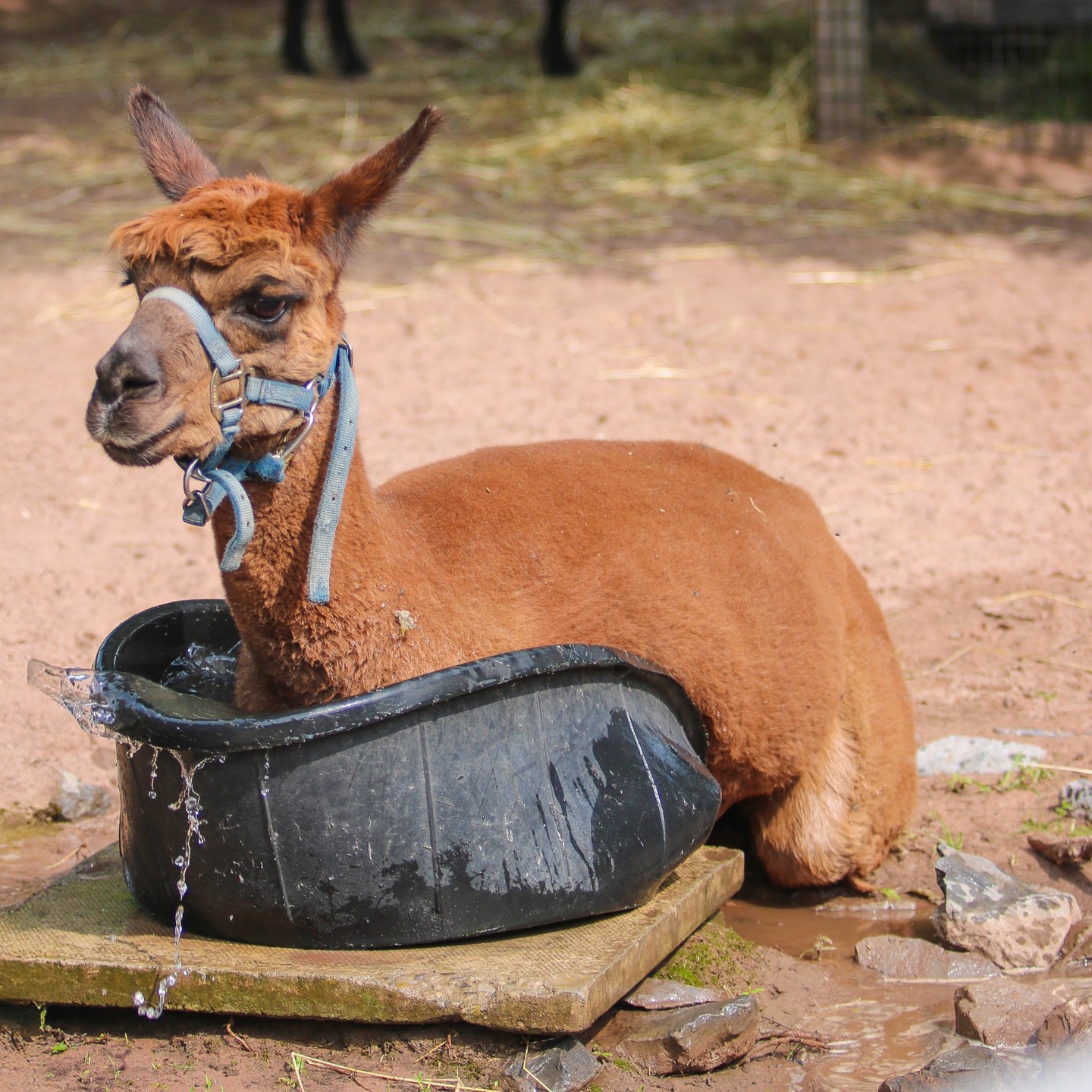
When discussing proper habitat, it is critical to understand that alpacas thrive in environments that mimic their natural landscape. They require a fenced area to roam, as well as shelters that provide protection from the elements. If Alpaca Vern didn’t have his pool set up correctly this morning, it reflects a potential oversight in creating a suitable environment. A well-constructed habitat should support their health and well-being and reduce stress.
In zoo management, animal welfare is vital. Animals in captivity must have a space designed to encourage their natural behaviors. This is particularly important for social animals like alpacas, who typically live in groups in the wild. Understanding the social dynamics of alpaca groups can provide insights into their needs. For instance, amicable interactions within a herd are essential for reducing anxiety and promoting overall health. When animals spend too much time alone or are improperly housed, they can develop behavioral issues.
Alpaca behavior is generally characterized by curiosity and playfulness. They exhibit a range of social interactions, which often involve vocalizations and body language. For instance, they communicate using a variety of sounds, including humming and braying. This is essential for social bonding within a group. Moreover, their hierarchical structure can often dictate behavior in mixed herds. Knowledge of these social interactions is crucial for anyone involved in their care.
Water is a fundamental requirement for alpacas. They need a consistent supply of clean, fresh water, especially during warmer months. If the pool wasn’t set up for Alpaca Vern, it is likely he would need to rely on his water dish until his larger water source is available. Alpacas can drink a significant amount of water, especially after physical exertions, so it’s essential that they have easy access to hydration.
Equally important is environmental enrichment. This concept goes beyond just providing water or food; it focuses on creating an engaging environment that promotes natural behaviors. Activities such as grazing, exploring, and social interaction must be facilitated. Simple items like hay bales and toys can encourage play and exploration, significantly benefiting the animals’ mental health.
Zoo managers must take various steps to improve standards in wildlife conservation. Practicing ethical animal care should be a priority. This includes regular assessments of the animals’ health, behavior, and environment. Also, educational programs play a crucial role in raising awareness about the plight of alpacas and other species in captivity. Keeping the public informed fosters a sense of responsibility toward wildlife conservation, encouraging action beyond the confines of the zoo.
Incorporating sustainability practices into zoo management also contributes substantially to conservation efforts. This can include the use of renewable resources, such as solar energy for heating and lighting, particularly in outdoor enclosures. Implementing sustainable practices ensures that zoos can operate efficiently while minimizing their ecological footprint.
Furthermore, collaborations with local communities are essential in developing conservation strategies. Education and community outreach programs can enhance understanding of alpaca welfare and conservation needs. Through engagement, zoos can foster a sense of ownership and responsibility, promoting more significant efforts toward protecting wildlife.
Zoos also play a pivotal role in research and breeding programs. These initiatives are vital for endangered species and their associated ecosystems. Monitoring genetic diversity within alpaca populations can contribute to the survival of the species. It also ensures that future generations can thrive in a constantly changing environment.
In summary, alpacas require careful management to thrive in a zoo or sanctuary setting. From habitat considerations to social structures, every aspect impacts their welfare. If Alpaca Vern is left without the amenities he needs, it can result in stress and anxiety. Providing a pool for swimming or cooling off is as vital as maintaining a proper diet and social structure.
The importance of water, both in terms of quantity and quality, cannot be overstressed. Clean, fresh water is paramount. Zoos have an obligation to deliver this necessity effectively to maintain the health of their alpacas.
Environmental enrichment strategies are crucial in promoting positive behaviors. Alpacas, being social creatures, need interactions with their kind. They thrive in environments that facilitate these interactions, whether through structured activities or free-roaming opportunities.
Zoo management requires a multi-faceted approach. Animal welfare should be a guiding principle. Establishing strong community links while embracing sustainable practices will enhance overall conservation efforts.
By prioritizing proper habitat and engaging strategies, zoos can improve the welfare of alpacas like Vern, creating a nurturing environment that allows them to flourish. Through such efforts, not only do we ensure the well-being of individual animals, but we also contribute to a larger movement of wildlife conservation.
*****
Source Description
Alpaca Vern would like to file a personal complaint with whomever didn’t put out his pool this morning. No matter, the water dish will have to do. For now.
