
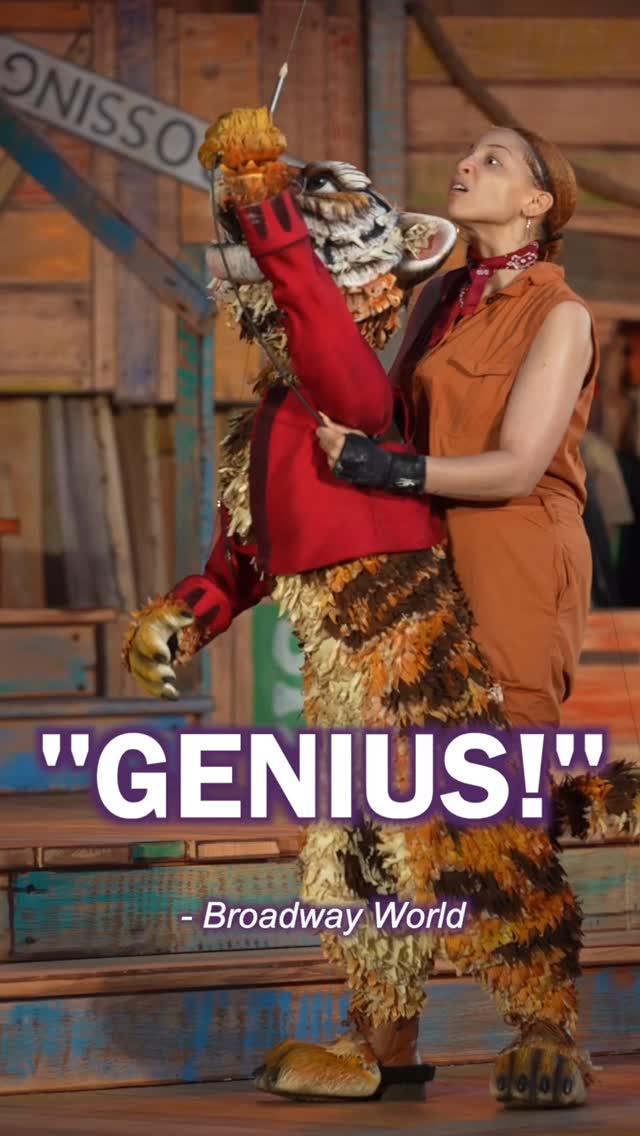
- The concept of “Romeo & Zooliet” as an artistic fusion of nature and literature.
- The significance of animal representation in performance art.
- Insights into the role of zoos in education, conservation, and entertainment.
- Understand the need for wildlife conservation and how performances like “Romeo & Zooliet” raise awareness.
- Effective engagement strategies in wildlife education through playful and humorous mediums.
“Romeo & Zooliet” merges Shakespeare’s timeless tale with the captivating world of wildlife. This artistic endeavor is not just entertaining; it also serves to raise awareness about crucial issues facing our planet. By bringing these elements together, the production captures the essence of both storytelling and zoology, inviting audiences to reflect on both the art form and its real-world implications.
The representation of animals in “Romeo & Zooliet” adds an engaging and relatable dimension to the traditional narrative. This play showcases various species, creatively reflecting their characteristics and behaviors through performance. Animals have long served as symbols in literature, embodying traits that resonate with human experiences. For instance, the noble lion may depict bravery, while the cunning fox often represents intelligence. In “Romeo & Zooliet”, these traits manifest through character-driven storytelling, highlighting the intricate connections between humans and the animal kingdom. The infusion of humor into the performances makes these themes accessible, engaging broader audiences and inviting dialogue about the role of animals in our lives and ecosystems.
Moreover, the production succeeds as an educational tool. Zoos have evolved beyond mere entertainment venues; they are also critical components in conservation efforts and education about wildlife. According to the Association of Zoos and Aquariums, accredited institutions engage in significant conservation initiatives, including habitat preservation and species recovery programs. Productions like “Romeo & Zooliet” play a vital role in this educational framework by providing insights into animal behavior and ecology, emphasizing the interconnectedness of all life forms.
For many, the primary encounter with wildlife occurs in zoos. These environments, when designed correctly, provide a crucial opportunity to connect with nature. “Romeo & Zooliet” embodies this concept by fostering appreciation for the animal kingdom while presenting vital messages about preservation and coexistence. As the audience watches the performances, they are subtly reminded of the importance of protecting the diverse species that share our planet.
The need for wildlife conservation is more pressing than ever. Global challenges such as climate change, habitat destruction, and poaching threaten countless species. Populations of iconic big cats, like tigers and lions, continue to face downward trends in the wild. “Romeo & Zooliet” uses humor and storytelling to shed light on these pressing issues, enabling audiences to engage with conservation topics in a more meaningful way. The platform allows for discussions around these concerns, emphasizing that public awareness and action can lead to more robust conservation efforts.
Incorporating humor into wildlife education proves effective not just for entertainment, but also for impact. Audiences, especially younger ones, resonate more with playful narratives than with stark facts and figures alone. This approach creates memorable experiences that linger, encouraging individuals to take action in their communities.
Performance art, when infused with relatable animal characters, can foster a love of wildlife. The laughter and joy generated through “Romeo & Zooliet” can lead to a deeper understanding of the nuances of ecosystems. By presenting information in a lighthearted manner, the production engages viewers to learn more about the environment while enjoying the narrative.
The success of “Romeo & Zooliet” as a vehicle for promoting wildlife education lies in its ability to intertwine entertainment with essential conservation topics. It exemplifies how art can serve as a transformative tool, bridging gaps and stimulating conversations about our relationship with nature. By using playful storytelling, the artists encourage a shift in perspectives, inspiring audiences to think critically about conservation efforts and the nature of the animal kingdom.
Education is central to the mission of zoos and wildlife organizations. “Romeo & Zooliet” aligns with these objectives by offering interactive experiences to audiences. These performances generate greater interest in zoology and conservation, emphasizing the importance of the ecosystem. Schools and community groups can leverage the themes presented in the play, using them as a springboard for discussions about local wildlife and conservation practices.
Key challenges in wildlife conservation often stem from a lack of awareness. Many individuals may not understand the complexities of ecosystems and the impact of human activity on wildlife. “Romeo & Zooliet” serves as a reminder that through education and entertainment, we can foster a nurturing environment for both people and animals. The playful juxtaposition of Shakespearean elements with animal characters facilitates understanding, making serious topics accessible and relatable.
The arts can bridge educational gaps, providing valuable messages packaged within entertaining narratives. “Romeo & Zooliet” not only dazzles audiences with its performances but opens pathways for discourse on the importance of stemming species decline and habitat loss. Engaging storytelling in this format creates a platform for further discussions, ultimately leading to a more informed public that values conservation efforts.
As audiences attend performances like “Romeo & Zooliet,” they’re presented with opportunities to support local conservation strategies. Programs are often created in conjunction with educational performances, highlighting ways individuals can get involved. Empowering guests to participate in conservation activities can lead to a positive ripple effect within communities, turning spectators into advocates for wildlife preservation.
Overall, “Romeo & Zooliet” exemplifies the art of blending humor, education, and action. As reviews laud its wit and intellect, they illuminate the essential conversations initiated by such performances. The production stands as a vital example of how creative expressions can advocate for wildlife conservation and engage the public in meaningful ways.
The power of performance art to influence change cannot be understated. Works like “Romeo & Zooliet” remind us that the narratives we build around animals can significantly impact public perception and advocacy. As animals become stand-ins for larger conversations about environment and preservation, we create a richer dialogue surrounding the ecological responsibilities we share.
By fostering love and appreciation for wildlife in an entertaining format, “Romeo & Zooliet” stands to inspire the next generation of conservationists and advocates. The profound messages interspersed throughout the performances challenge viewers to think critically about their role in nature. Through laughter and insight, audiences are encouraged to take action, further fostering a communal dedication to wildlife conservation efforts.
This artistic venture illustrates how effectively integrated art and education can lead to more significant awareness and action toward wildlife preservation. The humor and clever storytelling present in “Romeo & Zooliet” have the potential to draw in diverse audiences, igniting curiosity and a sense of responsibility. Ultimately, these performances serve not just as entertainment but also as vital catalysts for change in the realm of animal conservation.
*****
Source Description
The reviews are rolling in and the 🐅 big cat’s out of the bag: Romeo & Zooliet is “hilarious,” “wickedly smart” and “immensely entertaining!”
If you haven’t already, visit the link in our bio to get “the season’s hottest ticket!”
@romeoandzooliet @michaelcurrydesign
