
- The Andean bear’s habitat and adaptations
- Introduction of Ransisku and his integration into the Queens Zoo
- Conservation status and threats faced by Andean bears
- Importance of zoos in wildlife conservation
- Visitor engagement and educational opportunities at the Queens Zoo
The Andean bear, also known as the spectacle bear due to its distinctive facial markings, is the only bear species indigenous to South America. These bears thrive primarily in the cool mountain forests of the Andes, which stretch from Venezuela to northern Argentina. They have evolved several adaptations suited for this environment, including a strong sense of smell and excellent climbing abilities. Their varied diet includes a combination of fruits, vegetables, insects, and small mammals, which is a reflection of their opportunistic feeding habits.
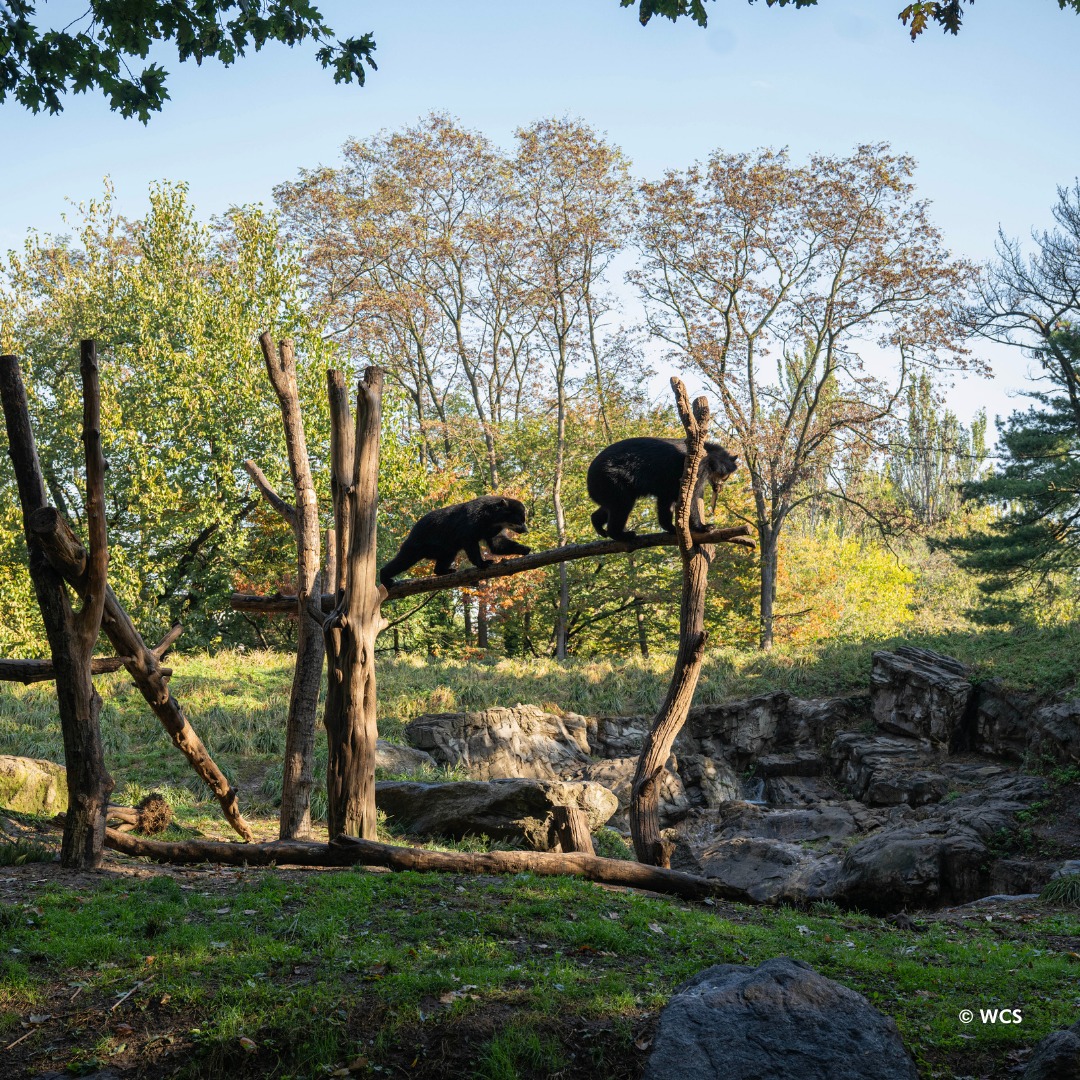
As autumn settles in, the Andean bears at the Queens Zoo are particularly active. The crisp fall air invites these animals to explore their habitats even more vigorously. Ransisku, the newest addition to the zoo, came from the San Diego Zoo over the summer. Since his arrival, he has been acclimating well to his surroundings. Ransisku brings a fresh dynamic to the zoo’s existing Andean bear population, which includes the resident female bear, Coya. Observing their interactions as they experience the changing seasons is a rewarding experience for staff and visitors alike.
Ransisku’s introduction to Coya is an important aspect of zoo management. It requires careful planning and monitoring to ensure their compatibility. Zookeepers have been observing their behavior closely to facilitate a smooth integration. As they interact, both bears exhibit natural behaviors such as climbing and foraging. They are utilizing their environment fully, enjoying the colorful leaves and the various scents that accompany fall. This interaction not only enriches their lives but also allows visitors to witness the social structures and behaviors that characterize Andean bears.
The Andean bear population is currently classified as “vulnerable” by the International Union for Conservation of Nature (IUCN). Habitat loss is one of the primary threats they face. As agriculture expands and deforestation occurs, the natural habitat of the Andean bear diminishes. Furthermore, hunting and poaching pose significant risks. This makes conservation efforts even more crucial. Educational programs at institutions like the Queens Zoo are vital for raising awareness about these threats. These initiatives emphasize the importance of protecting not just Andean bears but their habitats as well.
Zoos play a critical role in wildlife conservation. They do not exist solely for entertainment but also function as educational centers. By showcasing species like the Andean bear, zoos help change public perception and behavior regarding wildlife preservation. Programs focused on breeding, research, and education help promote survival strategies for endangered species. Events, guided tours, and workshops engage visitors and inform them about the various challenges and successes in wildlife conservation.
Engagement at zoos is achieved through direct experiences. At the Queens Zoo, visitors can learn about Ransisku and Coya during scheduled feedings and educational talks led by knowledgeable staff. These interactions provide valuable insight into bear behavior and the ecological significance of the Andean bear within its ecosystem. The leaves of fall are not just visually stimulating; they stimulate discussions about plant and animal interactions, food webs, and habitat conservation.
In summary, the Andean bears at the Queens Zoo exemplify the intricate balance necessary for wildlife conservation. Visitors have the opportunity to witness firsthand the behavior of these bears in a setting that promotes education and understanding. With Ransisku and Coya as ambassadors for their species, the zoo is on the frontline of spreading awareness about the vulnerabilities faced by Andean bears. Encouraging people to adopt conservation-minded behaviors can contribute to the ongoing battle against habitat loss and other threats these remarkable creatures face.
The Andean bears not only inspire awe and admiration but also serve as a reminder of the delicate environment they inhabit. By coming to appreciate these bears at the Queens Zoo, individuals can become advocates for conservation, thus fostering greater public understanding and support for wildlife protection initiatives. Each visit has the potential to inspire actions that contribute meaningfully to the brighter future of Andean bears in their native habitats.
*****
Source Description
The Andean bears at the Queens Zoo are enjoying the crisp fall air—and that includes our newest arrival, Ransisku, who joined us from the San Diego Zoo over the summer! He’s been settling in nicely and exploring his new habitat as the autumn leaves fall.
Andean bears are the only bear species native to South America, well adapted to the cool mountain forests of the Andes. Come visit this season to see Ransisku and our female bear Coya, as they enjoy all the colors (and scents!) of fall.
📸: WCS photographer, Terria Clay
