
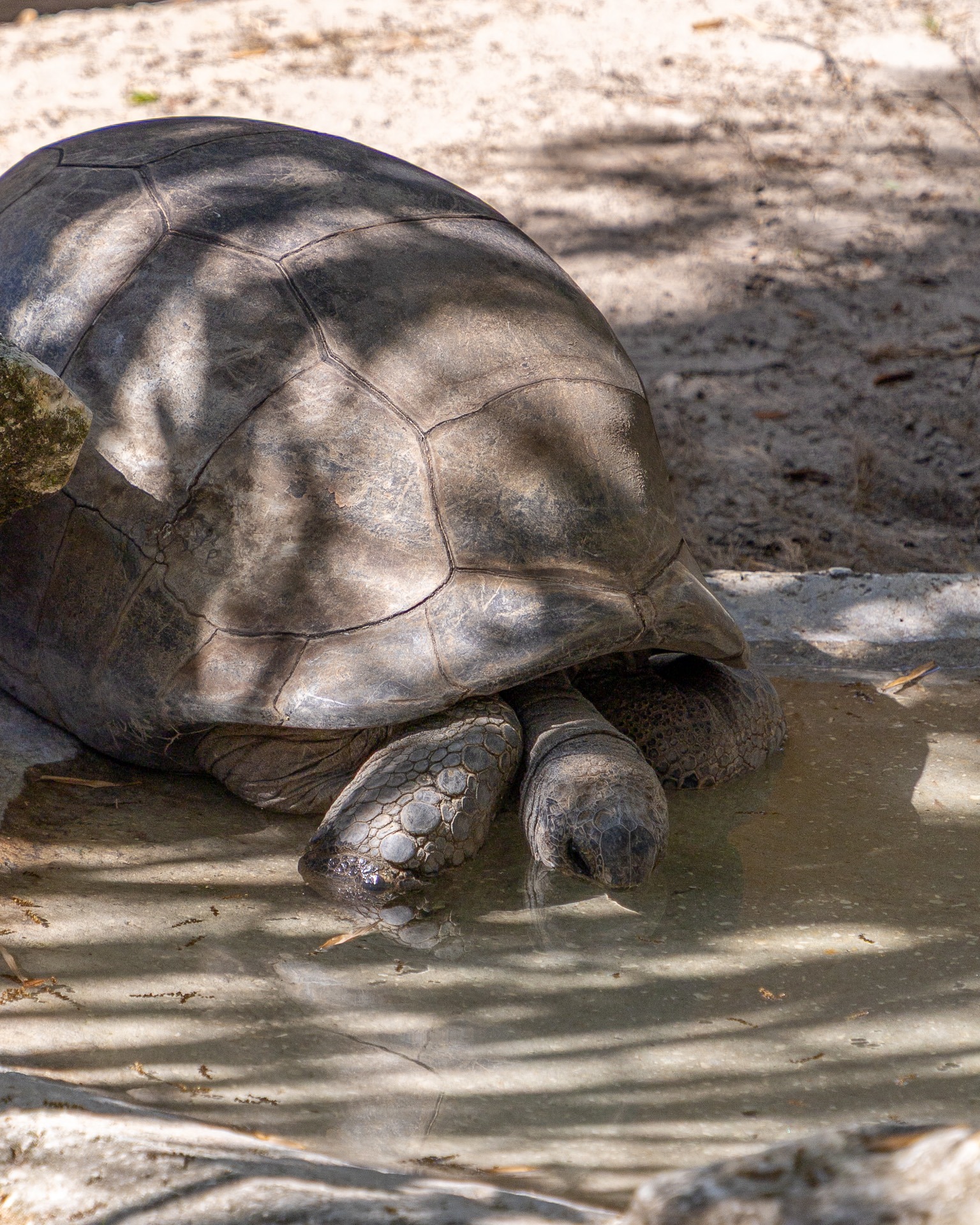
- Aldabra tortoises and their unique drinking adaptation
- Understanding the ecological needs of Aldabra tortoises
- The importance of hydration for tortoises and their health
- Conservation efforts surrounding Aldabra tortoises
- The significance of proper hydration for both humans and reptiles
Angel, the Aldabra tortoise, serves as an important reminder of the value of hydration. These magnificent reptiles not only capture our attention due to their impressive size and longevity, but they also exhibit remarkable adaptations, like their ability to “drink” water through their nostrils. This specific characteristic is especially vital for their survival in their native dry island habitat.
Aldabra tortoises, native to the Aldabra Atoll in the Seychelles, are one of the largest tortoise species in the world. They can weigh over 500 pounds and live for up to 200 years. The most intriguing aspect of their drinking behavior involves their nostrils. Unlike many animals that drink through their mouths, Aldabra tortoises have evolved to retain moisture effectively from shallow puddles. This adaptation allows them to draw water from their surroundings when conditions might hinder more traditional methods.
The habitat of the Aldabra tortoise plays a significant role in how they manage their hydration needs. The islands are characterized by a tropical climate, where rain can be scarce and unpredictable. This water scarcity poses a challenge for many local species, but Aldabra tortoises have developed fascinating survival strategies. During the rainy season, they are adept at seeking out rainfall pools. However, they can only drink from shallow collections of water. By using their nostrils, they can siphon water in a manner that allows them to hydrate without needing to bend down significantly.
Hydration is crucial for all living organisms, including tortoises. For reptile species, proper hydration helps to regulate their body temperature and ensures many physiological processes run smoothly. Dehydration can lead to serious health issues in tortoises, including kidney problems, difficulties shedding skin, and compromised immune function. When recommending that tortoises have access to clean water, it’s important to emphasize hydration’s role in their well-being and overall health.
In addition to their fascinating adaptations, the conservation of Aldabra tortoises is an ongoing concern. While the species was once on the brink of extinction due to poaching and habitat loss, concerted conservation measures have dramatically improved their status. Organizations focused on wildlife conservation have worked tirelessly to restore populations and manage habitats effectively. These efforts include establishing protected areas where these tortoises can thrive without human interference.
Conservation efforts not only benefit the Aldabra tortoises but also highlight the importance of preserving their ecosystem. The island’s flora and fauna depend on maintaining a balance, and tortoises play an integral role in this. As they roam their habitat, they consume vegetation, distribute seeds, and contribute to soil health, fostering an environment conducive to biodiversity. Protecting Aldabra tortoises has a ripple effect, promoting the overall health of their surroundings.
The concept of hydration extends beyond tortoises. For human beings, staying hydrated is essential for every bodily function. Water aids digestion, keeps skin supple, and plays a vital role in temperature regulation. Notably, various forms of hydration can be observed in the animal kingdom, reflecting adaptations to different environments. Just as Aldabra tortoises have developed specific mechanisms to maintain hydration, humans need to understand their own requirements based on activity levels and environmental conditions.
Engaging with animal behavior and physiology provides valuable insights into conservation. Learning about Angel serves as an extraordinary opportunity to reflect on how species adapt to their environments. Observing her unique way of drinking through her nostrils reminds us of the importance of adaptability in the natural world.
Further education on hydration-specific needs can enhance our understanding of how to care for reptiles in captivity, ensure that they possess the necessary environment for hydration, and why properly maintaining this aspect is crucial. Tortoises are often kept as pets, and their hydration needs must be monitored closely to prevent health complications.
The relationship between animals and their environment emphasizes the interconnectedness of life. When we take time to understand a creature like Angel, we also become more aware of our impact on their habitats. Supporting conservation efforts can make a collective difference. As individuals, it is our responsibility to advocate for policies and practices that protect the environments where these remarkable animals live.
In the broader context, every species plays its part in maintaining a healthy ecosystem, from the tiniest microbes to the largest mammals. This balance is crucial, and any disruption can have profound consequences. Water sources, for example, can be affected by pollution, climate change, and unsustainable practices.
Encouraging the public to appreciate species like the Aldabra tortoise can also foster a sense of stewardship. Supporting local conservation projects or educational campaigns can have lasting positive effects on wildlife. Learning more about habitats and respectful interaction with local ecosystems can also encourage environmentally responsible behaviors.
In summary, Angel, the Aldabra tortoise, serves as a vital reminder that hydration is essential for all living creatures. Observing her drinking habits through her nostrils illustrates the remarkable adaptations of tortoises and their ability to thrive in challenging environments. The conversation about hydration not only extends to tortoises but also speaks to the overall significance of water conservation efforts and the interconnectedness of wildlife conservation initiatives.
Raising awareness about Aldabra tortoises emphasizes the need for preserving their habitats and ensuring their future. By using Angel as a focal point, we can mobilize interest, inspire action, and contribute to the ongoing journey of wildlife conservation.
*****
Source Description
Angel, the Aldabra tortoise wants to remind you to stay hydrated. 🐢💧
Is she… drinking through her nose?
Actually, yes! Aldabra tortoises have a unique adaptation that allows them to ‘drink’ water through their nostrils, which comes in handy on their dry island habitat. This allows them to pull water from shallow puddles that may be too small for them to drink from otherwise!
.
.
.
