
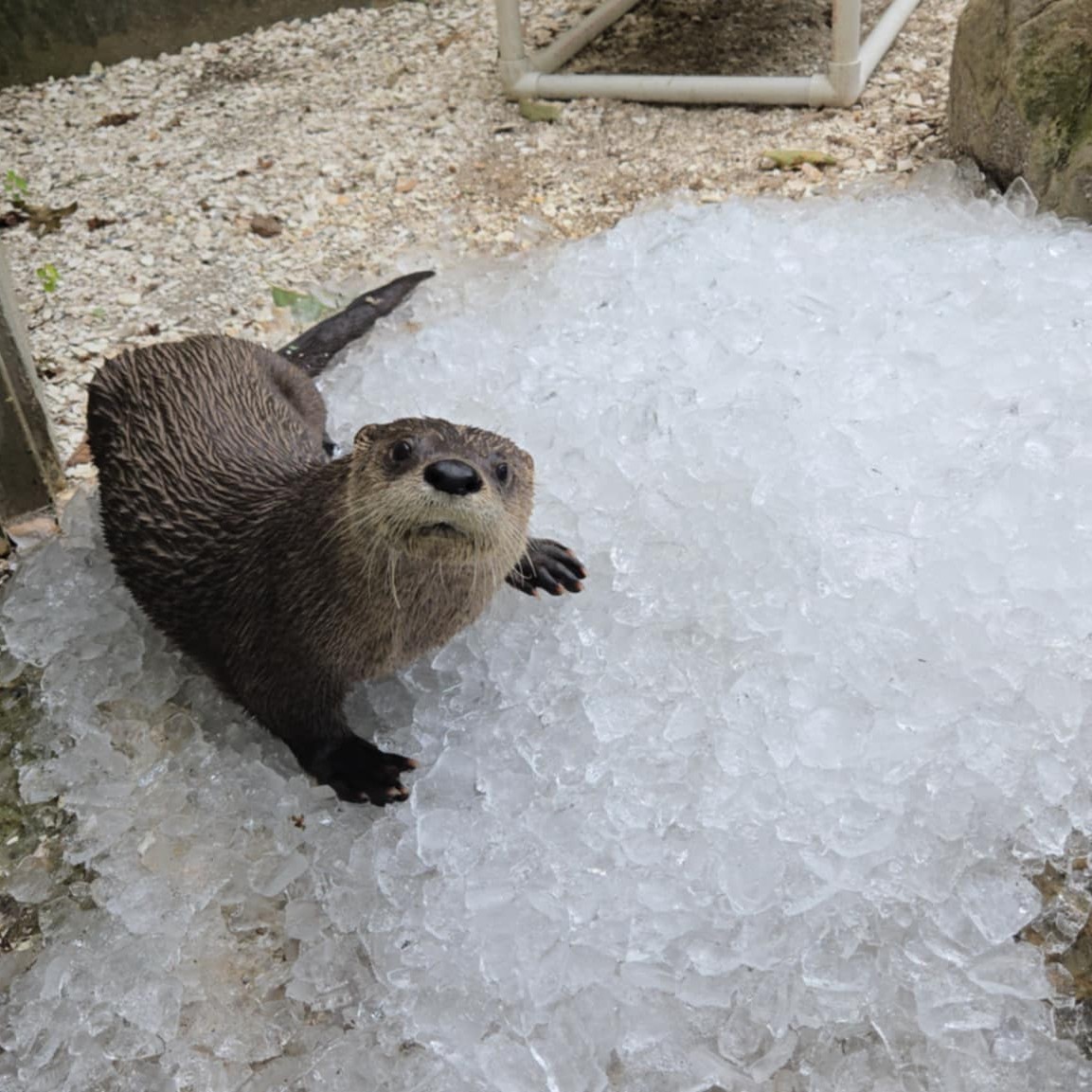
- The significance of ice as an enrichment tool for animals in zoos.
- Overview of Mork, the river otter, and his interaction with enrichment activities.
- The role of community support in wildlife conservation efforts.
- Detailed insights into animal enrichment at zoos and its benefits.
- Importance of partnerships between local businesses and animal facilities.
Animal enrichment is a critical aspect of zoo management and wildlife conservation. It is designed to enhance the well-being of animals, allowing them to exhibit natural behaviors. One of the more engaging forms of enrichment is the use of ice, especially during warmer months. Recently, Andre Properties generously donated about 600 pounds of ice for the animals at the Cape May County Zoo, greatly benefiting both the animals and the visitors alike. This act not only supports animal welfare but also strengthens community ties and fosters awareness about the importance of conservation.
Mork, the river otter, particularly enjoys ice during hot days. His antics around this refreshing treat continue to captivate audiences. The playful nature of river otters is well-documented and can be linked to their social behaviors in the wild. Ice serves not just as a cooling agent but also offers sensory stimulation and encourages physical activity. The simple act of ice sliding, swimming around, and playing stimulates the otters’ natural curiosity and tendency to explore, essential for maintaining their mental health.
River otters are semi-aquatic mammals native to North America. They thrive in environments where they can access water bodies and are known for their agile swimming and playful demeanor. Incorporating ice into their environment mimics elements of their natural habitat, promoting a more dynamic and engaging life within the enclosure. The introduction of ice can change the atmospherics of the habitat, pushing otters like Mork to investigate, play, and forage in ways that reflect their behaviors in the wild.
The donation from Andre Properties exemplifies the vital role community involvement plays in wildlife conservation. Local businesses can have a profound impact on animal care through contributions, sponsorship, and awareness initiatives. Support from companies not only enriches animal habitats but also fosters public engagement. This interaction cultivates a greater understanding and appreciation of wildlife among community members. Events like these can also lead to increased foot traffic at zoos, positioning them as centers of education and conservation.
Animal enrichment programs have gained recognition as essential components of zoo management practices. These programs are orchestrated to stimulate the animals’ minds and bodies, often incorporating various materials and activities, including environmental enhancements. The concept of enrichment is grounded in the understanding that animals, even in captivity, possess complex physical and psychological needs that must be met. Proper enrichment leads to healthier, happier animals and enhances overall visitor experience by allowing for natural behaviors to be observed.
Different types of enrichment can include sensory stimulation, such as scents or textures, social interactions, and physical challenges. Ice serves as an excellent example of enrichment that checks multiple boxes. It not only cools the animals but also attracts their attention and incites playful behavior. The tactile sensation of ice can be enjoyable for otters, encouraging them to engage with it actively. This engagement promotes both physical activity and mental engagement, which are crucial in reducing stress-related behaviors seen in captive animals.
The significance of partnerships between local businesses and zoos cannot be understated. Collaborations foster a culture of conservation within the community by involving citizens in animal welfare. Awareness about threats faced by wildlife, such as habitat loss and climate change, is vital in developing a generation that values ecological balance. Contributions, like the ice donation from Andre Properties, represent a step in the right direction toward sustainable practices within local communities.
Support from the community can also facilitate educational programs designed to raise awareness about animal welfare and conservation. By showcasing charitable acts, zoos can enhance their profiles as educational platforms, encouraging visitors to learn more about the animals they support. Promoting education and engagement is not only beneficial for wildlife but also helps cultivate a sense of responsibility among community members. In this sense, initiatives focused on animal enrichment can serve as a bridge, connecting the community to broader conservation goals.
Furthermore, as animal welfare standards continue to evolve, so do the methods used to enrich animal environments. According to the Association of Zoos and Aquariums (AZA), zoos must prioritize the behavioral and psychological needs of animals. The integration of ice as an enrichment tool falls under this broader effort to create more dynamic and engaging habitats. This engagement aligns with welfare standards set by respected organizations and adds a layer of responsibility to zoos. Implementing such initiatives allows the animals to thrive, reflecting the ethical and scientific advancements made in animal care over the years.
The use of ice is particularly beneficial for animals like river otters, who naturally inhabit cold and wet environments. Paying attention to the climate needs of the species is an essential aspect of zoo management. Ice can simulate colder temperatures that might appeal to otters, providing them with an opportunity to regulate their body temperatures effectively, especially during hot summer months. This attention to detail in animal care assures that needs are met, leading to healthier populations in captivity.
Moreover, the interaction of Mork with the donated ice provides a prime opportunity for educational programming. Zookeepers can seize this moment to explain the importance of ice in otters’ lives, both in captivity and in the wild. Education fosters a deeper appreciation among visitors and helps them understand the critical impacts of conservation efforts. Hands-on activities and demonstrations can make for memorable experiences, leading to a greater inclination toward conservation among audiences.
In addition, the installation of such enrichment activities emphasizes the need for continual improvement in animal habitats. Facilities must assess and adapt their practices based on the evolving needs of the animals in their care. Utilizing community resources can alleviate some of the burdens associated with these adjustments. It allows zookeepers to focus more on animal care while maximizing the positive impact these efforts have on the species they represent.
Community contributions can create a ripple effect; businesses that support wildlife conservation can inspire others to follow suit. Programs citing donations, sponsorships, and environmental leadership can result in greater community involvement in conservation initiatives. Each donation, whether monetary or physical, reflects a commitment to animal welfare and enhances public awareness of conservation issues.
The partnership between local entities like Andre Properties and zoos is essential for sustaining such efforts over time. As awareness grows and partnerships deepen, these collaborations can evolve into ongoing relationships that can revolutionize how animals are cared for in captivity. Businesses can provide resources that would otherwise be unavailable, allowing zoos to explore innovative enrichment ideas actively.
As we consider the broader implications of enrichment and community involvement, it is essential to reflect on the evolving role of zoos in conservation. Historically, zoos have been perceived merely as entertainment venues. Today, they are transitioning toward becoming hubs for animal welfare, education, and sustainability. The engagement of community partners marks a shift in corporate responsibility, showing that businesses can influence environmental stewardship positively.
The ice provided by Andre Properties is more than just a treat for Mork; it symbolizes a collaborative effort focused on enriching the lives of animals. Each interaction that guests and animals share reflects a shared responsibility toward nurturing the wildlife community. Together, we can build momentum that furthers not only the lives of individual animals but also the practices of humane, ethical animal care globally. The act of donating ice extends beyond an immediate benefit; it emphasizes building lasting relationships between businesses and conservation entities, paving the way for an engaged network committed to a common goal—wildlife conservation.
Engaging activities and community awareness serve to strengthen the public’s understanding of wildlife needs, underlining the importance of psychological and physical well-being in captive animals. As partners in conservation, businesses and zoos alike can amplify their impact. Each effort contributes to an environment where animals thrive, inspiring future generations to cherish and protect wildlife.
*****
Source Description
Thank you to Andre Properties for donating around 600 lbs of ice for animal enrichment! Mork, the river otter, is always a big fan of ice on a hot day. 🦦 Check out @capemaycountyzooaazk for more photos of the ice and other enrichment!
(📷: Zookeeper Amy)
