
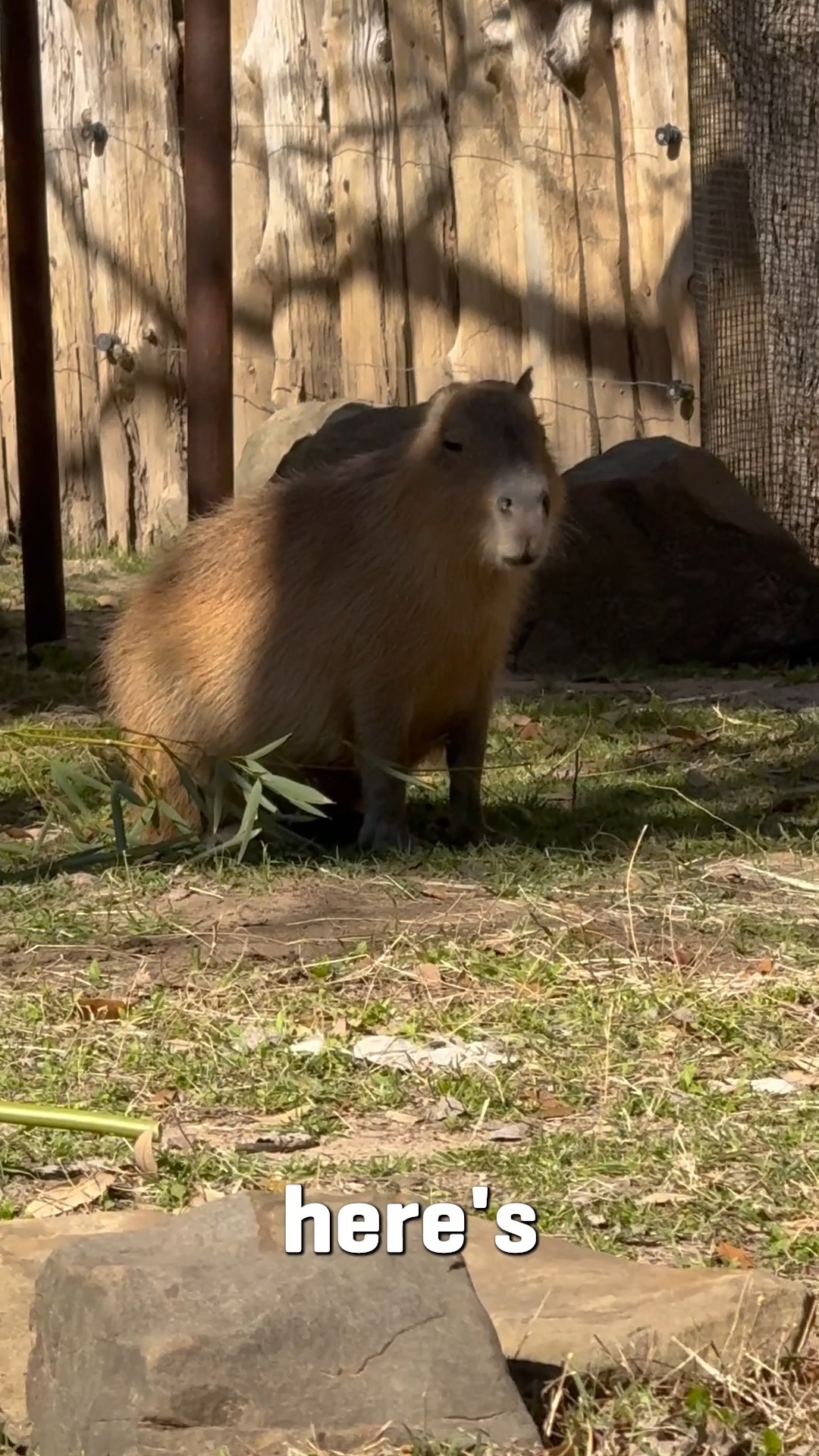
- Exploring the habitat and lifestyle of capybaras, highlighting their social structure and adaptability.
- Understanding the biology and behavior of capybaras, focusing on their diet, reproduction, and communication.
- The role of capybaras in ecosystems and their interactions with other species.
- Conservation efforts and challenges facing capybaras in the wild due to habitat loss and hunting.
- Educational and zoo management strategies for enhancing public awareness and appreciation of capybaras.
Capybaras, remarkable for their amiable nature and social sophistication, have captivated the interest of animal enthusiasts worldwide. Episode 2 of Animal Academy delves into the lives of these intriguing creatures, shedding light on their lifestyle and ecological significance. Hosted by Krishnia S., this episode provides an enlightening exploration of capybaras, revealing various aspects of their existence.
Native to South America, capybaras thrive in habitats ranging from dense forests to expansive savannas. Their adaptability to diverse environments highlights their resilience. Despite being rodents, they are semi-aquatic and are found near water bodies, which are crucial for their survival. This preference ensures their access to lush vegetation and provides refuge from predators. Their dense, barrel-shaped bodies and webbed feet are adaptations facilitating efficient swimming. Furthermore, capybaras are social animals often seen in groups, which can number up to 100 during the dry season.
The social behavior of capybaras is truly fascinating. These animals maintain complex social structures, marked by strong bonds. Dominance hierarchies are present within groups, with a single dominant male usually leading. Communication plays an integral role in their social life, involving a range of vocalizations, scent marking, and physical gestures. Understanding their communication helps us appreciate their social interactions.
Biologically, capybaras are the largest rodents globally, with adult weights reaching up to 150 pounds. Their robust dental structure, comprising ever-growing teeth, is adapted to a diet primarily of grasses, aquatic plants, and fruits. This herbivorous diet is essential for their digestive process, involving bacterial fermentation in the gut. Such efficiency allows them to extract maximum nutrition from fibrous foods. Reproductive strategies in capybaras are also noteworthy. They breed throughout the year, with a gestation period of about 150 days, typically resulting in the birth of four to five offspring.
Capybaras hold a significant ecological role. As primary herbivores, they influence vegetation structure and composition. Their grazing patterns can help maintain open areas in dense vegetation, impacting the habitat for other species. Moreover, capybaras serve as prey for various predators, including jaguars and anacondas, thus contributing to the food web dynamics.
Despite their ecological importance, capybaras face several challenges in the wild. Habitat loss due to agricultural expansion and urbanization poses a significant threat. Additionally, in some regions, hunting for their meat and hide adds pressure to their populations. Conservation efforts are essential to protect these animals. Initiatives such as habitat protection, legal enforcement against illegal hunting, and sustainable land-use practices are crucial.
Zoo management plays a key role in raising awareness about capybaras. Educational programs and exhibits offer the public a chance to observe these fascinating creatures closely. These initiatives help foster appreciation and understanding of the species, highlighting the importance of conservation. Engaging stories and interactive displays can enhance visitor learning, underscoring the connection between capybaras and their environment.
In conclusion, capybaras are remarkable animals deserving of our attention and care. Their adaptability, social nature, and ecological role illustrate the complexity and beauty of the animal kingdom. By studying and protecting capybaras, we not only secure their future but also enrich our understanding of the natural world. Through dedicated conservation efforts and educational endeavors, we can ensure these unique creatures continue to thrive in their natural habitats and in the hearts of people worldwide.
*****
Source Description
Let’s talk capybaras!
Episode 2 of Animal Academy is here, and it’s all about the Zoo’s newest – and chilliest – residents. These social superstars know how to keep it cool, and we’re spilling all the secrets of their laid-back lifestyle.
Special thanks to Krishnia S. for hosting this lesson!
