
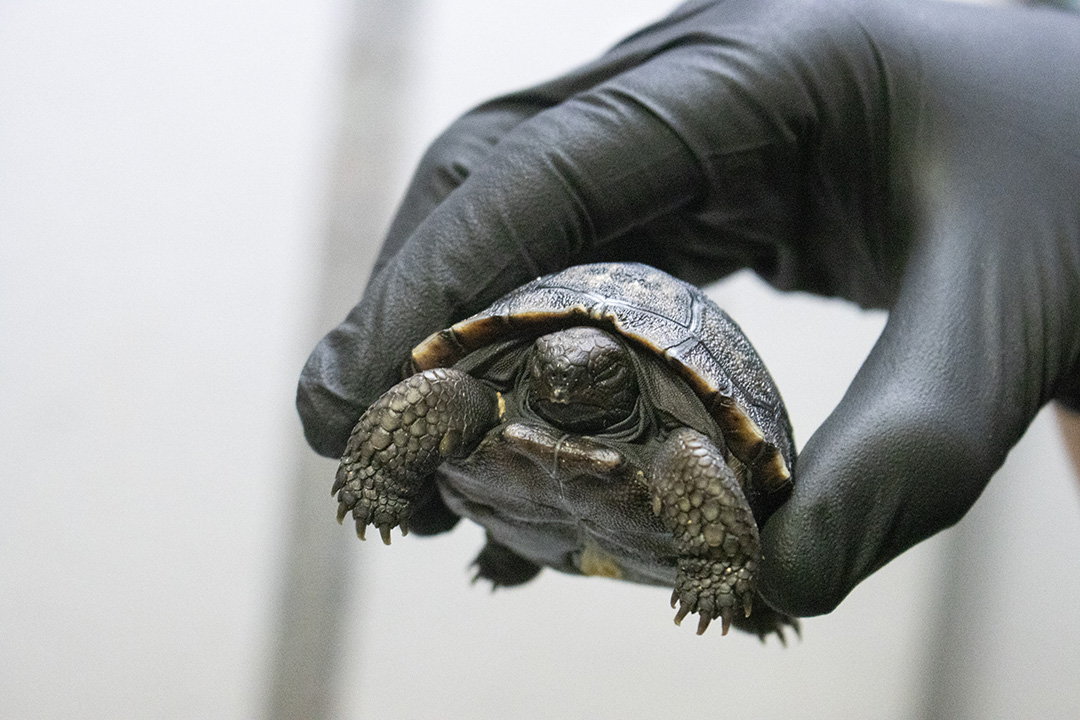
- The significance of hatching critically endangered species for conservation efforts.
- The role of animal care teams in breeding programs and species recovery.
- An overview of the Western Santa Cruz Galápagos tortoise and its ecological importance.
- Highlighting the remarkable story of “Mommy,” the oldest first-time mother tortoise.
- The Philadelphia Zoo’s commitment to wildlife conservation and education.
Recent developments in wildlife conservation have shown us that remarkable achievements are possible, even in the face of overwhelming odds. At the Philadelphia Zoo, an extraordinary milestone has been reached through tireless efforts. In less than a year, nine critically endangered Western Santa Cruz Galápagos tortoises have hatched, joining an earlier group of seven hatchlings. These 16 tortoises represent a critical step in the conservation of a species that has faced significant threats.
The hatching of these tortoises highlights the critical importance of breeding programs in wildlife conservation. Much of the world’s biodiversity is under threat due to habitat loss, climate change, and poaching. This breeding program at the Philadelphia Zoo focuses on the Western Santa Cruz Galápagos tortoise, a species that has witnessed drastic population declines. Hatching these tortoises not only increases their numbers but also emphasizes the urgent need for concerted conservation efforts.
Breeding programs like those at the Philadelphia Zoo take a comprehensive approach. These initiatives include habitat simulation, nutritional studies, health assessments, and genetic management. Animal care teams play a pivotal role in these breeding efforts, providing specialized care and expertise to ensure the well-being of the tortoises. Regular assessments allow caregivers to monitor the health and growth of the hatchlings. This continuous care is essential for nurturing young animals that may face challenges in their natural habitats.
The Western Santa Cruz Galápagos tortoise is an important species for several reasons. It plays a vital role in the ecosystem of the Galápagos Islands. Tortoises serve as seed dispersers, helping maintain the health of their habitats. Their grazing habits can also influence the structure of vegetation in their environment. Unfortunately, human activities and introduced species have devastated their populations. Currently, the remaining numbers are critical. Therefore, breeding programs aimed at their recovery have taken on greater significance.
Equally remarkable is the story behind “Mommy,” the oldest first-time mother Galápagos tortoise. This incredible achievement underscores the potential for tortoises to reproduce well into older age. Her motherhood is a testament to the fact that age in animals does not always correlate with reproductive capability. While factors such as genetics, health, and environmental conditions play a role, “Mommy’s” successful hatching of 16 tortoises serves as a source of inspiration for conservationists everywhere.
This achievement also reflects the dedication of the staff at the Philadelphia Zoo. Their commitment has fostered an environment conducive to the care and breeding of these tortoises. The process involves intricate knowledge of animal health, behavior, and reproductive biology. Care teams undergo rigorous training to develop the skills necessary for successful breeding initiatives. They conduct research that not only assists in breeding but also contributes to larger understandings of tortoise behavior and ecology.
The Philadelphia Zoo takes its conservation mission seriously. It collaborates with various organizations, including national and international conservation groups, to maximize its impact. These partnerships extend beyond just breeding. The zoo engages in habitat preservation and environmental education programs. By educating the public about the plight of endangered species like the Western Santa Cruz Galápagos tortoise, the zoo endeavors to inspire action and increase awareness of conservation issues.
Efforts like these play a vital role in nationaland global conservation strategies. As education fosters awareness, it can initiate much-needed changes in people’s attitudes toward wildlife protection. Visitors to the Philadelphia Zoo learn not only about individual species but also about the ecosystems they inhabit and how to contribute to conservation efforts in their own communities. Engaging educational programs are designed to captivate guests of all ages, solidifying the connection between people and nature.
The reproduction of critically endangered species is a complicated process. It involves various considerations, including the right environmental conditions for breeding and hatching. For the Western Santa Cruz Galápagos tortoise, specific temperature ranges and humidity levels are crucial. The zoo utilizes advanced incubation techniques that mimic natural conditions, ensuring that the hatchlings develop healthily. Temperature variations can influence the sex ratio of hatchlings. This scientific knowledge aids in maximizing the success of breeding programs.
Vigilance and dedication do not stop once the tortoises hatch. Ongoing monitoring and care are necessary as the hatchlings grow. Young tortoises are particularly vulnerable to environmental changes and threats from predators. The care team implements safe habitats that not only protect them but also allow for natural behaviors such as grazing and burrowing. Regular health checks ensure that any potential issues are addressed before they become significant problems.
The Philadelphia Zoo’s commitment extends beyond the walls of the facility. By participating in the Species Survival Plan (SSP), the zoo collaborates with numerous institutions for the genetic management of endangered species. This program aims to maintain healthy, genetically diverse populations in captivity while conserving them in their natural habitats. Through these collective efforts, the zoo contributes to the long-term survival of the Western Santa Cruz Galápagos tortoise.
Overall, breeding and conservation initiatives depend heavily on scientific research and ethical practices. The Philadelphia Zoo maintains a foundation rooted in empirical data, continuous learning, and best practices. This approach equips the animal care team with the knowledge needed to adapt to an ever-changing landscape in conservation biology. Such adaptability is vital as challenges emerge, from evolving threats to emerging diseases.
The success of breeding programs like that of the Philadelphia Zoo reflects the broader narrative of human intervention in wildlife conservation. Although ethical concerns about captivity exist, successful breeding programs often serve as lifelines for endangered species. Through public awareness and educational outreach, these programs can build the necessary support for continued conservation funding and government policy changes.
The hatching of 16 Western Santa Cruz Galápagos tortoises is not simply a local success story; it resonates on a global scale. It ignites hope for other endangered species facing extinction. As populations dwindle, every hatchling counts, representing a potential line of genetic diversity and ecosystem stability. The positive results at the Philadelphia Zoo are a powerful example of how dedicated efforts can bring meaningful change to the lives of endangered species.
In addition to breeding success, the zoo also prioritizes habitat restoration in natural settings. Restoring native vegetation and controlling invasive species in the Galápagos Islands are crucial for the long-term sustainability of tortoise populations. Conservationists actively engage with local communities to promote practices that protect these vital ecosystems. Community involvement is essential for fostering a culture of conservation that respects both wildlife and human needs.
Additionally, providing a nurturing and educational environment for visitors is paramount for long-term conservation success. Interactive exhibits and programs create a shared responsibility among people, forging connections that inspire action. By understanding the challenges faced by the Western Santa Cruz Galápagos tortoise and other endangered species, visitors are more likely to advocate for conservation efforts in their own lives.
The Philadelphia Zoo’s achievements in hatching 16 critically endangered tortoises serve as a compelling illustration of what can be accomplished through hard work and dedication. Such efforts highlight the significance of collaboration among wildlife experts, conservationists, and the public. The experience further reinforces the notion that people have the power to make a difference in wildlife conservation.
Animal care teams, like the one at the Philadelphia Zoo, demonstrate that success in conservation is multifaceted. Their work is rooted in scientific research and driven by a passion for protecting wildlife. Years of commitment culminate in remarkable outcomes, such as the successful hatching of Western Santa Cruz Galápagos tortoises. Each hatchling not only symbolizes hope for its species but also serves as a reminder of the concerted efforts needed to safeguard our planet’s biodiversity.
As we reflect on these accomplishments, it is crucial to recognize that protecting endangered species takes commitment, collaboration, and education. The successful breeding of the Western Santa Cruz Galápagos tortoise encapsulates the potential for positive change when we prioritize wildlife conservation. The Philadelphia Zoo represents a beacon of hope and determination, inspiring future generations to advocate for the magnificent creatures that share our planet. Through continued efforts, every step taken toward conservation can yield significant benefits. This ongoing journey not only fosters biodiversity but strengthens the connection between people and the natural world.
*****
Source Description
Twice in less than a year, @PhiladelphiaZoo’s animal care team has achieved what was once thought nearly impossible 🎉. Last month, nine critically endangered Western Santa Cruz Galápagos tortoises hatched at the joining seven that hatched earlier this year. 🐢 Together, these 16 hatchlings represent an extraordinary conservation milestone. Their mother, affectionately named “Mommy”, also made history as the oldest first-time mom of her species.
👏 This remarkable achievement is the result of years of dedication by the Zoo’s animal care experts, staff, and the program. Learn more about the 16 hatchlings via the Connect link in our bio! 🔗
