
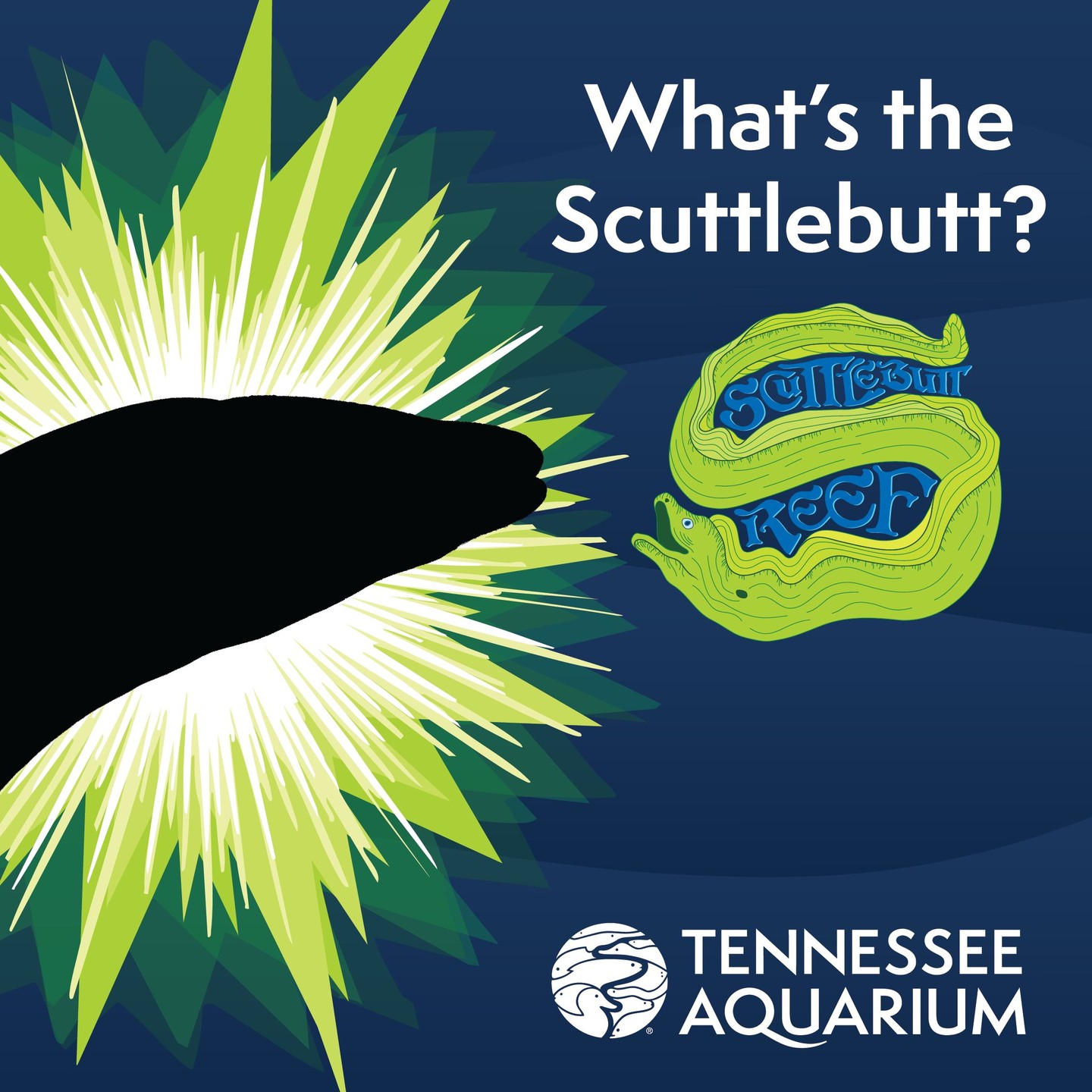
- Introduction to Wildlife Detectives
- Understanding the Unique Traits of the Featured Animal
- The Role of Wildlife Detectives in Conservation
- The Importance of Public Engagement in Wildlife Conservation
- Future Directions in Wildlife Investigations
Wildlife detectives encompass a variety of roles within the fields of zoology, conservation, and environmental management. These specialists deploy innovative methodologies to gather data about animal behavior, health, and populations. The significance of their work is especially evident as we strive to find sustainable ways to coexist with the diverse species on our planet.
In this context, we will examine a creature showcasing a fascinating characteristic: two sets of jaws. This trait is celebrated in a new gallery titled “Scuttlebutt Reef,” which is set to launch in the Ocean Journey building in March. This creature is none other than the intriguing and often misunderstood moray eel.
Moray eels are significant in marine ecosystems, primarily found in coral reefs, rocky crevices, and oceanic seas. They belong to the family Muraenidae and can be identified by their elongated bodies, which are often covered in distinctive patterns and colors. While they may appear menacing at first glance, knowledgeable engagement can greatly enhance our understanding of their role in the marine environment.
One of the most notable characteristics of moray eels is their dual jaw system, comprising a set of pharyngeal jaws in addition to the primary jaws. The primary jaws are similar to those of other fish, but the pharyngeal jaws are positioned further back in the throat. This dual-jaw mechanism allows them to capture prey efficiently, demonstrating a high level of adaptation to their predatory lifestyle. The pharyngeal jaws emerge when the primary jaws open, quickly securing the captured prey in a powerful grip. This adaptation underscores their position as apex predators in the marine food chain, highlighting their pivotal role in maintaining ecological balance.
Wildlife detectives employ various techniques to study these captivating creatures. Monitoring their populations and behaviors entails regular observation and data collection. Researchers use underwater cameras, sonar technologies, and dive surveys to observe moray eels in their natural habitats. These methods allow scientists to assess population dynamics, breeding behaviors, and interactions with other species.
Moreover, tracking moray eels helps understand their responses to environmental changes, such as coral bleaching and ocean acidification. Recognizing these changes is crucial, as they significantly affect marine ecosystems. By studying moray eels, wildlife detectives contribute to broader conservation efforts aimed at safeguarding the health of coral reefs and promoting biodiversity.
Public engagement plays a vital role in wildlife conservation, as it fosters an appreciation for the natural world. Institutions like zoos and aquariums often serve as platforms for education and advocacy. In their new exhibit, the Scuttlebutt Reef gallery will highlight not only the intriguing aspects of moray eels but also the pressing issues facing marine environments today.
Interactive displays, educational programs, and community events will invite visitors to explore these themes in depth. Through storytelling and enrichment activities, knowledge is transformed into actionable understanding. Engaging experiences spark interest in conservation efforts, inspiring individuals to consider their role in protecting wildlife.
Wildlife detectives also collaborate with local communities to gather data and promote sustainable practices. Citizen science initiatives harness the power of volunteers, who contribute valuable information about local wildlife. These volunteers are crucial in expanding the reach and effectiveness of conservation campaigns.
Challenges remain, however. The ongoing threat of habitat destruction, pollution, and climate change poses significant risks to marine life, including moray eels. As a vital component of marine ecosystems, the conservation of moray eels thus reflects broader issues regarding the health of our oceans.
The future of wildlife investigations will likely involve advancements in technology. Remote sensing and the use of artificial intelligence will enhance our understanding of animal behaviors and population trends. The development of genetic tools will allow for better monitoring of species through environmental DNA analysis. This method provides insights into the presence of certain species in ecosystems without requiring direct observation.
Additionally, emerging technologies like drones enable more thorough ecological assessments. Drones can survey extensive regions quickly and efficiently, offering researchers an innovative way to monitor wildlife habitats. This capacity to gather real-time information could revolutionize how wildlife detectives approach their investigations.
As we anticipate the opening of the Scuttlebutt Reef gallery, thoughts about the broader implications of our engagement with wildlife come to the forefront. We are not merely observers; we are active participants in ecosystems. Understanding creatures like the moray eel can inspire a sense of responsibility towards protecting marine environments.
In closing, the introduction of captivating exhibits and hands-on experiences will spawn a deeper awareness of marine life. Educational outreach will highlight the significance of every species, serving as a reminder that wildlife is not separate from our existence but integral to our future. Every effort counts in building a sustainable relationship with the natural world. Through the collaboration of wildlife detectives, scientists, and community members, we can build a future where species like the moray eel continue to thrive in the oceans of tomorrow.
*****
Source Description
Ok, wildlife detectives. Using this silhouette, can you guess the animal that will be featured in our new Scuttlebutt Reef gallery launching in the Ocean Journey building in March? Here’s a hint: They have TWO sets of jaws! Swipe for the anwer! ➡️
