
- Overview of the Okinawa Leaf Turtle’s habitat and distribution
- Physical characteristics and adaptability of Geoemyda japonica
- Behavior and dietary habits of the Okinawa Leaf Turtle
- Conservation status and threats to the population
- Efforts and strategies for wildlife conservation
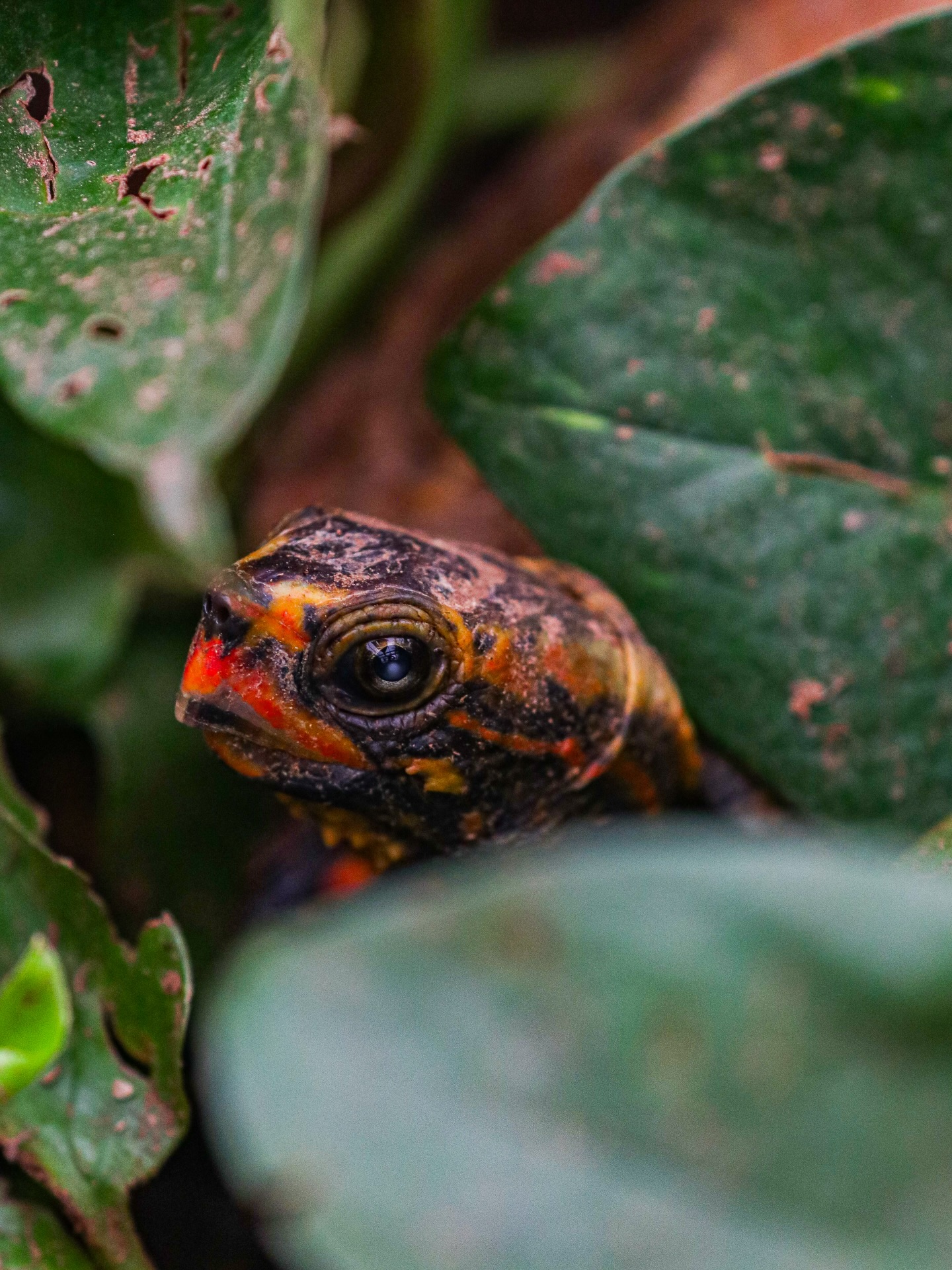
The Okinawa Leaf Turtle (Geoemyda japonica) is a captivating reptile native to the forests of Okinawa, Japan. This species is often found hidden among leaves, blending seamlessly into its lush surroundings. Understanding the habitat and distribution of Geoemyda japonica offers insights into its ecological role and the challenges it faces due to habitat loss and human activity.
The Okinawa Leaf Turtle resides primarily in subtropical forests characterized by high humidity and ample rainfall. Its distribution is relatively limited, primarily confined to the southern islands of Japan, particularly Okinawa and a few nearby islands. These areas provide the ideal environment with a rich diversity of plant life, which offers shelter and food sources for this turtle species. The understory of these forests, laden with foliage and fallen leaves, allows the Okinawa Leaf Turtle to camouflage effectively, making it less vulnerable to predators.
Geoemyda japonica exhibits distinct physical characteristics that set it apart from other turtle species. The shell of the Okinawa Leaf Turtle is notably high-domed and rounded, which aids in its ability to blend into the forest floor. This adaptation is particularly useful as it often relies on its camouflage to evade predators. The carapace displays a combination of browns, greens, and yellows, which mirrors the colors of the leaves in its environment. The turtle’s skin matches these colors, enhancing its ability to remain hidden.
Another interesting aspect of the Okinawa Leaf Turtle is its relatively small size. Adult turtles typically reach lengths of about 15 to 20 centimeters (6 to 8 inches). Their small stature, coupled with their curved shape, allows for better maneuverability in tight spaces within the forest. They have webbed feet that facilitate swimming in the water, although they are primarily terrestrial.
The behavior of Geoemyda japonica is largely influenced by its diet and ecological interactions. These turtles are primarily herbivorous, feeding on a variety of leaves, fruits, and flowers found in their habitat. They play a role in seed dispersal, aiding in the propagation of many plant species. This relationship showcases the integral role this turtle species has within its ecosystem. Rarely do they venture far from their preferred feeding grounds, and they usually remain active during the cooler hours of the day, thereby avoiding the hottest times and potential predators.
However, conservationists have raised concerns about the declining population of the Okinawa Leaf Turtle. The primary threats to Geoemyda japonica arise from habitat destruction and fragmentation due to urban development, agriculture, and logging activities. Wetlands and forest areas critical for these turtles have faced significant pressure from expanding human activities. Additionally, poaching poses another serious threat, as individuals are often captured for the pet trade due to their appealing appearance.
The current conservation status of the Okinawa Leaf Turtle is classified as vulnerable. Many organizations are actively working on conservation strategies to help enhance the turtle’s survival. Education and awareness campaigns aim to inform local communities about the importance of preserving the habitats that support these turtles. Efforts also include habitat restoration projects to reestablish the ecosystems that have experienced degradation.
To mitigate the threats faced by Geoemyda japonica, various protected areas have been designated to preserve the natural habitats in which this species thrives. These conservation sites are essential for maintaining genetic diversity and providing safe environments for breeding. Monitoring populations through scientific research is imperative to understanding trends and formulating effective conservation strategies.
Collaboration between local governments, conservation organizations, and community members is critical in these efforts. Surfacing evidence of community-led initiatives to safeguard specific environments provides hope for the future of the Okinawa Leaf Turtle. Awareness campaigns often involve schools and educational institutions, sharing knowledge about the significance of biodiversity and the specific needs of reptiles like Geoemyda japonica.
Research on the behavior and ecology of the Okinawa Leaf Turtle is still ongoing. Scientific studies are focused on understanding the reproductive patterns and growth rates of this species. Such data can help refine conservation strategies and assess the efficacy of ongoing efforts. Conducting habitat assessments to identify critical areas for preservation continues to be a priority.
In summary, the Okinawa Leaf Turtle (Geoemyda japonica) is a fascinating species that highlights the intricate relationships between wildlife and their habitats. Its unique characteristics and behaviors echo the importance of conservation measures necessary to protect it and its environment. Through continued research and community involvement, there is hope for the future of this turtle in its native Okinawan forests.
*****
Source Description
Okinawa Leaf Turtle (Geoemyda japonica)
Right where it belongs, hidden in the leaves 🌿
Photo by Gaetan Lovo
