
- Flamingo habitats and distribution
- Diet and feeding habits of flamingos
- The social behavior and communication of flamingos
- Conservation status and threats facing flamingos
- Engaging educational activities around flamingos
Flamingos are striking birds known for their long legs, colorful plumage, and unique feeding habits. These fascinating creatures inhabit shallow wetlands, lagoons, and estuaries across various parts of the world. Their population is predominantly found in regions such as Africa, Asia, the Americas, and parts of Europe. They thrive in warm climates, where their main habitats include both natural and man-made bodies of water.
Flamingos prefer saline or alkaline environments that may not support many predators. This characteristic helps them establish large colonies. Major populations can be found in places like the Caribbean, particularly in the Bahamas and Cuba. In Africa, the Great Rift Valley is a critical area for flamingo breeding and foraging. This diversity in habitat selection allows flamingos to adapt to various ecological conditions.
Their feeding habits are equally captivating. Flamingos possess a specialized feeding mechanism that allows them to filter-feed in water. Unlike most birds, they have a unique downward-bending bill that facilitates this method. Flamingos feed primarily on a diet rich in algae, brine flies, and other small micro-organisms that thrive in their saline environments. Using their webbed feet, they stir up the sediment to uncover hidden food sources.
The vibrant pink color of the flamingo’s feathers comes from the carotenoids found in their diet. As they consume algae and crustaceans, these pigments are broken down and absorbed into their feathers, skin, and beak. Interestingly, juvenile flamingos are born gray and only develop their iconic coloring as they grow older. This transformation illustrates how vital diet is to their overall health and appearance.
Flamingos are highly social birds that live in large flocks. Their social dynamics are intricate and fascinating. These colonies can consist of thousands of individuals. Within these groups, flamingos exhibit complex social behaviors, including synchronized movements and vocalizations. These behaviors help strengthen their bonds and assist in mating rituals.
When flamingos communicate, they engage in a series of vocalizations and body movements. Their honks, grunts, and trumpet-like calls can resonate throughout their habitat. These sounds are pivotal during courtship and nesting seasons, enabling them to attract mates. Their elaborate courtship dances involve rhythmic movements that showcase their physical fitness and beauty.
As with many wildlife species, flamingos face significant threats that jeopardize their populations. Habitat destruction due to industrialization, agriculture, and urban development poses a major challenge. Wetland ecosystems, crucial for their survival, are often drained or degraded. Additionally, climate change and pollution result in alterations to their habitats, impacting food availability. In some regions, invasive species compete for resources, further stressing flamingo populations.
In response to these challenges, various conservation programs work diligently to protect flamingo habitats. Institutions like the Audubon Society and Wetlands International focus on habitat preservation and restoration, aiming to maintain the ecological balance necessary for these birds to thrive. Increasing awareness regarding the importance of wetlands plays a significant role in their survival.
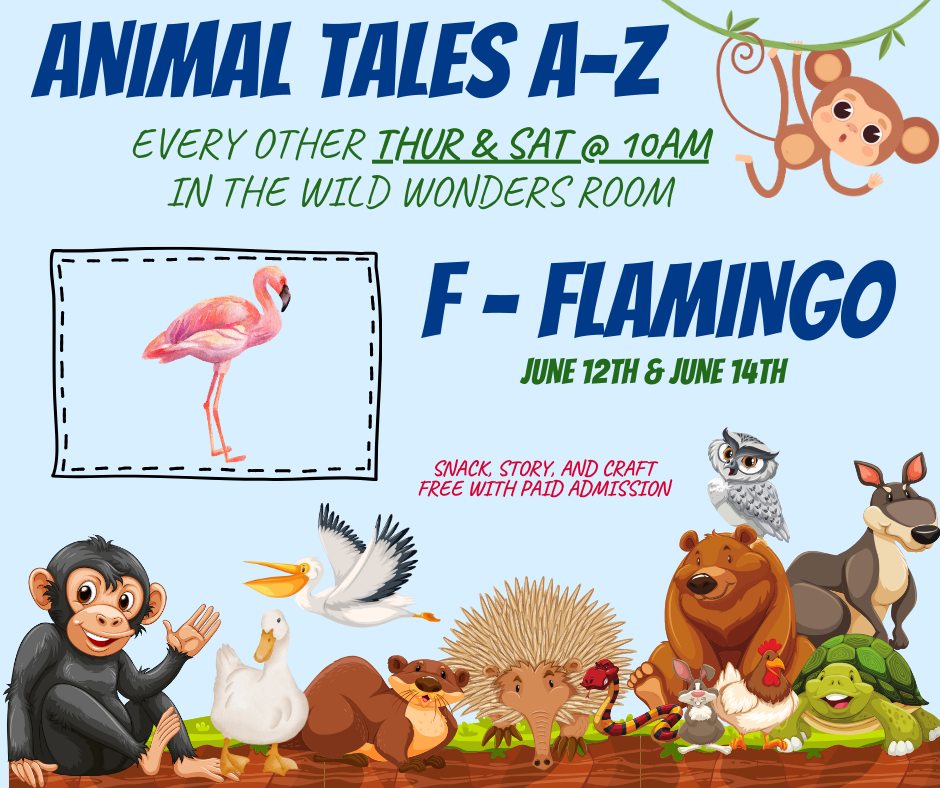
For young learners, the Animal Tales A-Z… letter F program provides a fantastic opportunity to educate children about flamingos through engaging activities. Participants enjoy a story that captures the imagination and illustrates the life cycle and habits of flamingos. After the story, children partake in a flamingo-themed snack, which could include pink-hued foods like strawberry yogurt or watermelon.
The take-home craft encourages creativity while reinforcing what they’ve learned. Simple craft ideas might include creating flamingo art through painting or constructing flamingo models using materials like paper plates and pipe cleaners. These activities engage children, ensuring that they not only learn about flamingos but also express their understanding through art.
The Animal Tales A-Z program emphasizes early childhood learning and environmental stewardship. It opens the door for children to develop a lifelong interest in animals and conservation efforts. By incorporating scientific facts about flamingos, participants learn the importance of these birds and the ecosystems they inhabit.
As the session unfolds, facilitators teach facts about flamingo anatomy, including their unique adaptations that enable them to thrive in specialized environments. Through interactive discussions, children discover how flamingos contribute to their ecosystems, creating a sense of responsibility to protect these incredible animals.
Through initiatives such as the Animal Tales A-Z program, zoo management aims to inspire generations of animal lovers. Raising awareness about flamingos is crucial. Children grow up with an appreciation for wildlife and an understanding of the conservation efforts needed to protect them.
The experience does not end after participating in the program. Parents and guardians can be encouraged to continue discussions at home. Books and documentaries featuring flamingos are excellent supplementary resources. These materials will help reinforce the importance of environmental conservation and the varying challenges that wildlife face.
As flamingos continue to inspire awe in those who encounter them, it becomes essential to highlight their plight and the need for conservation measures. The Animal Tales A-Z… letter F program, focusing on flamingos, fosters a connection between children and nature. Ultimately, it lays the groundwork for future environmental stewards, encouraging them to learn, protect, and appreciate the vibrant wildlife like flamingos.
Through awareness, education, and learning opportunities such as this one, we can work together to safeguard these magnificent birds and their habitats for generations to come. The overarching message is clear: the future of flamingos and countless other species depends on our collective actions today.
*****
Source Description
Animal Tales A-Z… letter F!
Join us on an exciting alphabet adventure, where each session explores a new letter and a fascinating animal—next is F for Flamingo! 🦩
Enjoy a story, snack, and a take-home craft, all included with paid zoo admission. This program is designed for early childhood learners, but animal lovers of all ages are welcome!
📆 May 12th & 14th at 10:00AM in the Wild Wonders Room
❗️Animal Tales A-Z will be reoccurring every other Thursday and Saturday. Stay tuned for more dates and themes.
