
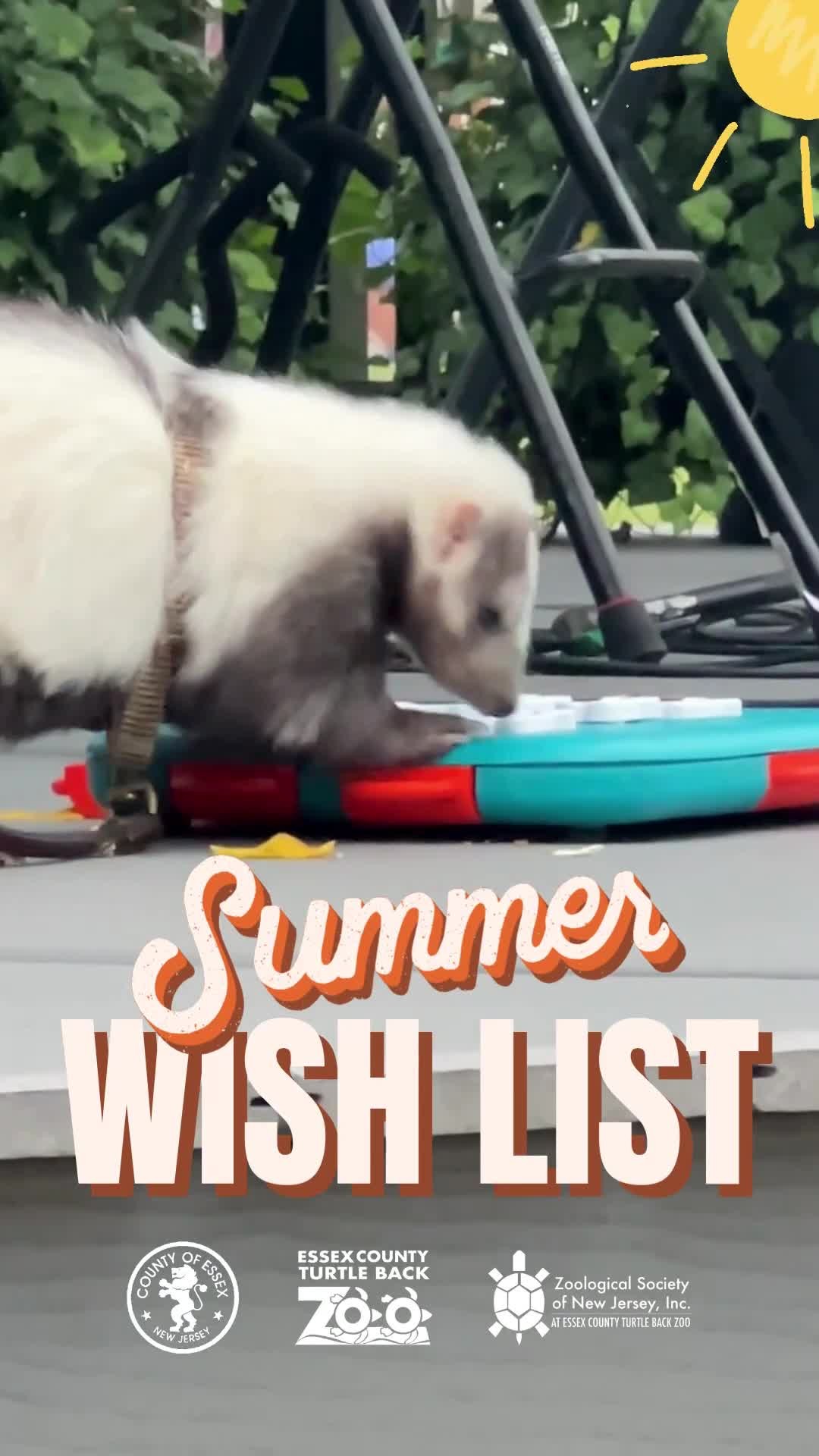
- Importance of Enrichment for Zoo Animals
- Creative Ideas for Summer Animal Enrichment
- The Role of Public Support in Wildlife Conservation
- Highlighting Summer as a Community Engagement Opportunity
- Educational Aspects of Animal Care and the Environment
The significance of enrichment in the lives of zoo animals cannot be overstated. In the wild, animals engage in natural behaviors that stimulate their minds and bodies; however, captive animals often lack these opportunities. Providing adequate enrichment not only enhances their overall well-being but also ensures their physical health. Enrichment is crucial for fostering natural behaviors such as foraging, exploring, and socializing. Activities and materials that promote these behaviors can mitigate boredom and encourage mental stimulation, which can lead to healthier and happier animals.
As summer unfolds, zoos and wildlife centers have the perfect platform to introduce imaginative and stimulating activities for the animals. Seasonal changes offer unique opportunities to innovate and refresh the enrichment strategies that staff employ. For instance, providing frozen treats made from fruits and vegetables can not only cool off animals but also create a delightful foraging puzzle. Items like ice blocks with fish or chunks of meat can keep carnivores engaged, replicating the challenge of hunting in the wild.
In addition to edible enrichment, physical activities are essential. Setting up obstacle courses or climbing structures allows animals to exercise their muscles and agility. This could range from simple logs to intricate structures that mimic natural habitats. Such setups encourage species-specific behaviors, which are fundamental for their emotional and physical health.
Engaging the community—especially during the summer months—brings an added layer of vibrancy to these initiatives. When patrons shop from our updated Summer Wish List, they help provide more enriching items like toys, hammocks, and puzzles that enhance animal habitat. Support from the public is vital; it creates a collaborative atmosphere where shared responsibility for animal welfare thrives. A commitment from the community not only aids financial sustainability but also fosters awareness around the importance of conservation and animal well-being.
Zoo animals serve as ambassadors for their species. By participating in conservation efforts and educational programs, visitors learn about the challenges these animals face in the wild. Understanding that many species are endangered or threatened can motivate the public to engage in conservation efforts. Interactive opportunities allow zoo visitors to comprehend the fragility of ecosystems and the essential role that animals play within them.
The arrival of summer holds great promise for educational programs. Many zoos offer special summer camps and workshops aimed at teaching attendees about wildlife care. These programs can cover topics such as habitat conservation, proper animal care, and biodiversity. When children participate in these activities, they not only enjoy memorable experiences but also learn about their role in conservation efforts. Knowledge obtained through these programs can ignite a lifelong passion for animal welfare and environmental stewardship.
Educational efforts shouldn’t just be restricted to kids. Adults, too, stand to gain from engaging with scientific practices at the zoo. Workshops on animal behavior, habitat preservation, or even gardening initiatives can foster a more profound understanding of nature’s interconnectedness. Through diverse programming, visitors will gain insights into how they can contribute to conservation from home. Whether it’s making eco-friendly choices or engaging in community clean-up projects, every little action contributes to a larger goal.
Another avenue worth exploring includes partnerships with local schools and organizations. Collaborating with educational institutions can enhance learning experiences and accommodate a broader audience. Schools might include field trips to the zoo, where children directly interact with various species and engage with educators about the animals’ habitats and behaviors. Such firsthand experiences significantly enhance their understanding of wildlife and conservation.
The updated Summer Wish List reflects a comprehensive strategy aimed at enriching the lives of zoo animals. The list includes products designed to evoke natural behaviors and promote mental stimulation. Items such as climbing towers for primates or underwater enrichment for aquatic species represent the zoo’s commitment to providing diverse experiences tailored to each species’ needs.
In addition, summer is an excellent time for community-driven initiatives. Educational programs are often ramped up during warmer months, allowing for a greater focus on interactive and immersive experiences. Programs like "Adopt-an-Animal" or sponsorships for enrichment items make it easier for individuals or families to engage. Such efforts emphasize the significance of individual contributions, no matter how small.
Animals themselves can often serve as catalysts for discussions about global issues. For example, an exhibition on endangered species can showcase specific animals and inform visitors about ongoing threats. From habitat loss to climate change, audiences can learn how these issues impact not just wildlife but humanity as well. Linking animal exhibits to wider conservation efforts creates a holistic understanding that is essential for fostering long-term change.
Additionally, thoughtful signage and interpretive displays serve to inform and guide visitors throughout their zoo experience. Detailed information on specific species, their habitats, and conservation status enables a learning environment that resonates with guests. When coupled with enriching activities that align with the animals’ natural behaviors, these factors create a compelling case for support and understanding.
A summer focused on joy for both animals and guests means a revitalized approach to animal care and conservation education. Public engagement, whether through informational sessions, fun-filled family days, or philanthropy, plays a crucial role in sustaining wildlife education efforts.
The joy of summer intersects beautifully with the aim of uplifting animal experiences in captivity. A zoo’s mission to enhance the lives of animals while educating the public is most effective when community involvement is prioritized. Each interaction serves a purpose; each support action amplifies the message of conservation and well-being.
The arrival of summer signifies many things—longer days, warm weather, and an abundance of opportunities for enlightening experiences. Zoos harness the vibrancy of the season to remind us of the importance of wildlife care and conservation. The updated Summer Wish List serves as an invitation for each individual to play a part in enriching the lives of animals while creating awareness around their plight.
Caring for wildlife intersects with joy and responsibility—a balance that is fundamentally enhanced through community support and educational outreach. Engaging with wildlife this summer offers the chance to experience joy, contribute to vital conservation work, and learn about the delicate intricacies of our planet’s ecosystems. Together, we can embrace the summertime spirit while advocating for better environments for all creatures, big and small. The impact of every action can resonate far beyond the zoo gates, creating ripples of positive change that benefit not only wildlife but humanity as a whole.
*****
Source Description
☀️ Summer fun has arrived! 🏖️
We’ve just updated our Summer Wish List — full of enrichment that brings sunshine to our animals’ days! 🌞💛
Shop now and share the summer joy: link in bio! 🔗🛍️
Your support makes a difference! 💕
