
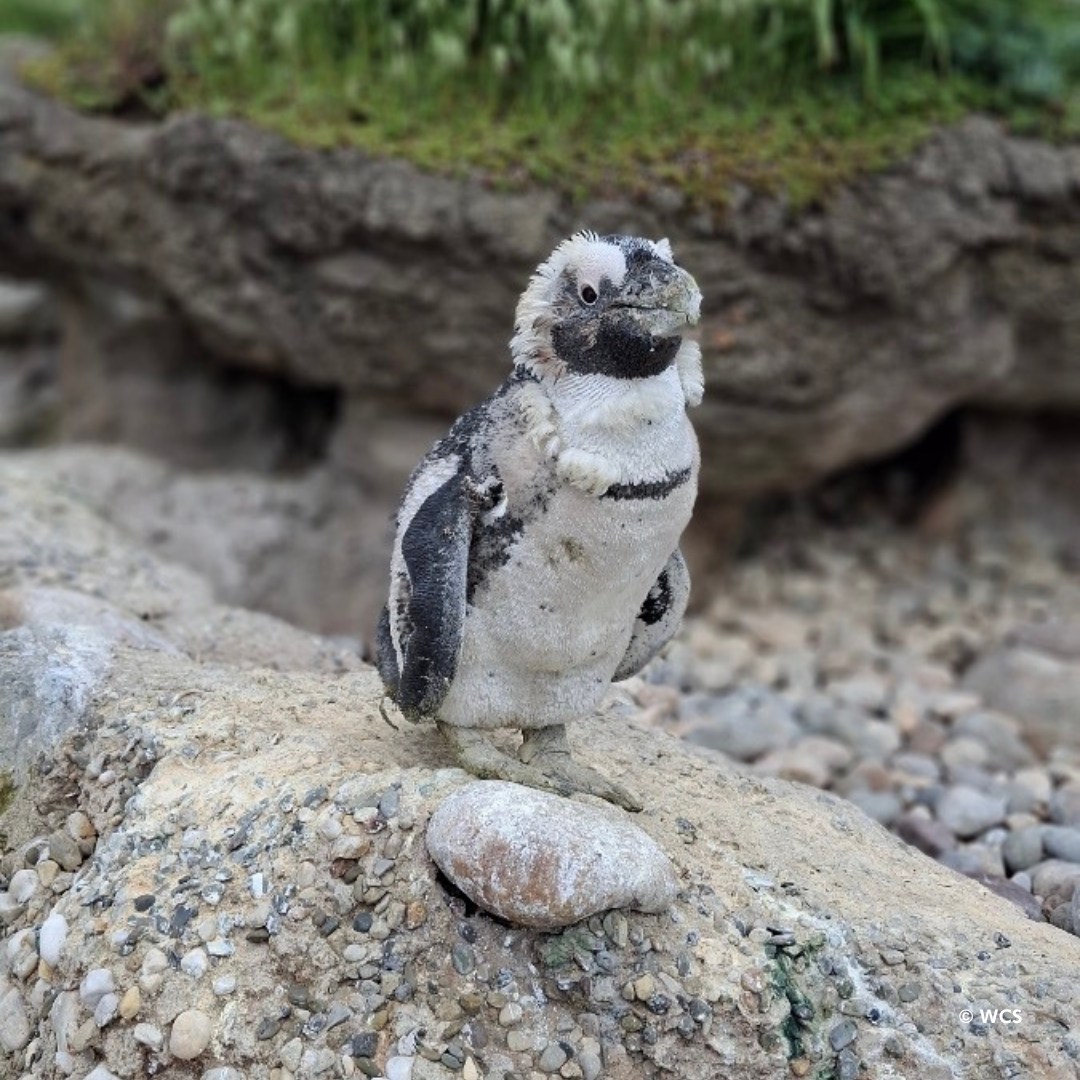
- Importance of molting for penguins’ survival and maintenance of waterproofing.
- Detailed description of the molting process and its timing relative to the breeding season.
- Behavioral and physiological changes penguins undergo during molting.
- Conservation implications of molting and the challenges faced in wildlife management.
- Insights into public awareness and educational efforts related to molting penguins.
Penguins, those iconic flightless birds native to the Southern Hemisphere, engage in a fascinating process once every year known as molting. This natural cycle, crucial for their survival, involves the complete shedding of old feathers and the growth of new ones. Although the process might render these birds less attractive during its course, understanding molting’s significance is vital for appreciating penguins’ resilience and adaptation to harsh environments.
Penguins rely on their dense, waterproof feather layer to insulate against cold ocean temperatures. Over time, feathers deteriorate, losing their effectiveness in waterproofing and insulation. Consequently, molting becomes a survival mechanism, ensuring penguins maintain their ability to withstand the elements. This process typically follows the breeding season, aligning with a time when there is less dependency on swimming to catch prey. Timing is critical, as molting can inhibit a penguin’s ability to forage efficiently. Therefore, entering the molt with adequate fat reserves is essential, as these reserves will sustain them during the 3 to 4-week period when they are grounded.
During the molting period, penguins exhibit distinctly different behaviors and physiological adaptations. They become less active, seeking shelter on land to avoid predators and the cold. Without their feathers’ insulative properties, entering frigid waters could lead to life-threatening hypothermia. Observers often notice penguins appearing particularly disheveled or scruffy, a visual cue of the molting process. Unlike many birds that molt gradually, penguins undergo a "catastrophic molt," losing all their feathers at once. This intensive approach is evolutionarily adaptive, allowing a swift transition from the old to a fully functional new coat.
The conservation implications of penguin molting are significant. In wildlife management, it is crucial to understand and respect the vulnerability of penguins during this period. Disturbances can have dire consequences as energy reserves are diminished, and the birds cannot escape predators effectively. Wildlife conservationists need to monitor penguin colonies closely during these times to protect them from human and natural threats. Furthermore, global climate changes impacting fish populations also affect penguins’ ability to build sufficient fat reserves, highlighting the interconnectedness of ecological systems.
Public awareness plays an important role in penguin conservation, focusing on education about the molting process. Zoos and wildlife organizations regularly engage with the public to shed light on why penguins occasionally appear less than pristine. Keeper Olivia, for instance, might capture these moments through photography, documenting the stages of a penguin’s molt. Such educational efforts enhance visitors’ understanding and foster a deeper appreciation for these creatures’ unique adaptations to their environment.
Elevating awareness of penguins’ molting process also contributes to broader conservation awareness and support. As people become more informed about these birds’ life cycles and challenges, they may become more invested in supporting conservation initiatives. This understanding paves the way for more informed discussions about the impacts of climate change and human activities on penguin populations.
Through the interplay of scientific understanding and public education, the complexities of penguin molting become a gateway to greater appreciation and action for wildlife conservation. By delving into the essential aspects of this process, we can ensure that these captivating creatures continue to thrive in their natural habitats for generations to come.
*****
Source Description
Once a year, penguins undergo a complete molt, shedding their old feathers and growing new ones back, typically following the breeding season. The molt takes around 3-4 weeks, during which the penguins aren’t waterproof and will avoid swimming until their new feathers grow in.
This process is crucial for these flightless birds, who rely on their feathers to stay warm and dry in cold ocean waters. Their feathers wear down over time, making them less effective for waterproofing and maintaining warmth. If you notice our penguins looking a little “scruffy,” you now know why.
📸: Keeper Olivia
