
- The ecological role of sea turtles in marine environments
- Indicators of ocean health that sea turtles provide
- The major threats to turtle populations and their habitats
- Conservation strategies critical for marine turtle preservation
- Community engagement and education in sea turtle conservation
Sea turtles are more than just fascinating creatures; they play a critical role in maintaining the health of marine ecosystems. These ancient beings serve as keystones in their habitats, promoting the balance and function of the sea. As such, understanding their ecological roles can provide insight into the overall health of the oceans.
Sea turtles contribute to marine biodiversity in several ways. One of their primary functions is grazing on seagrass, which in turn promotes the growth of these important underwater plants. Seagrass meadows offer vital habitats for numerous marine species and improve water quality by filtering sediments and nutrients from the water. Moreover, when turtles consume jellyfish, they help regulate jellyfish populations, which can explode under certain conditions. Thus, the well-being of sea turtle populations mirrors the condition of the marine ecosystems they inhabit.
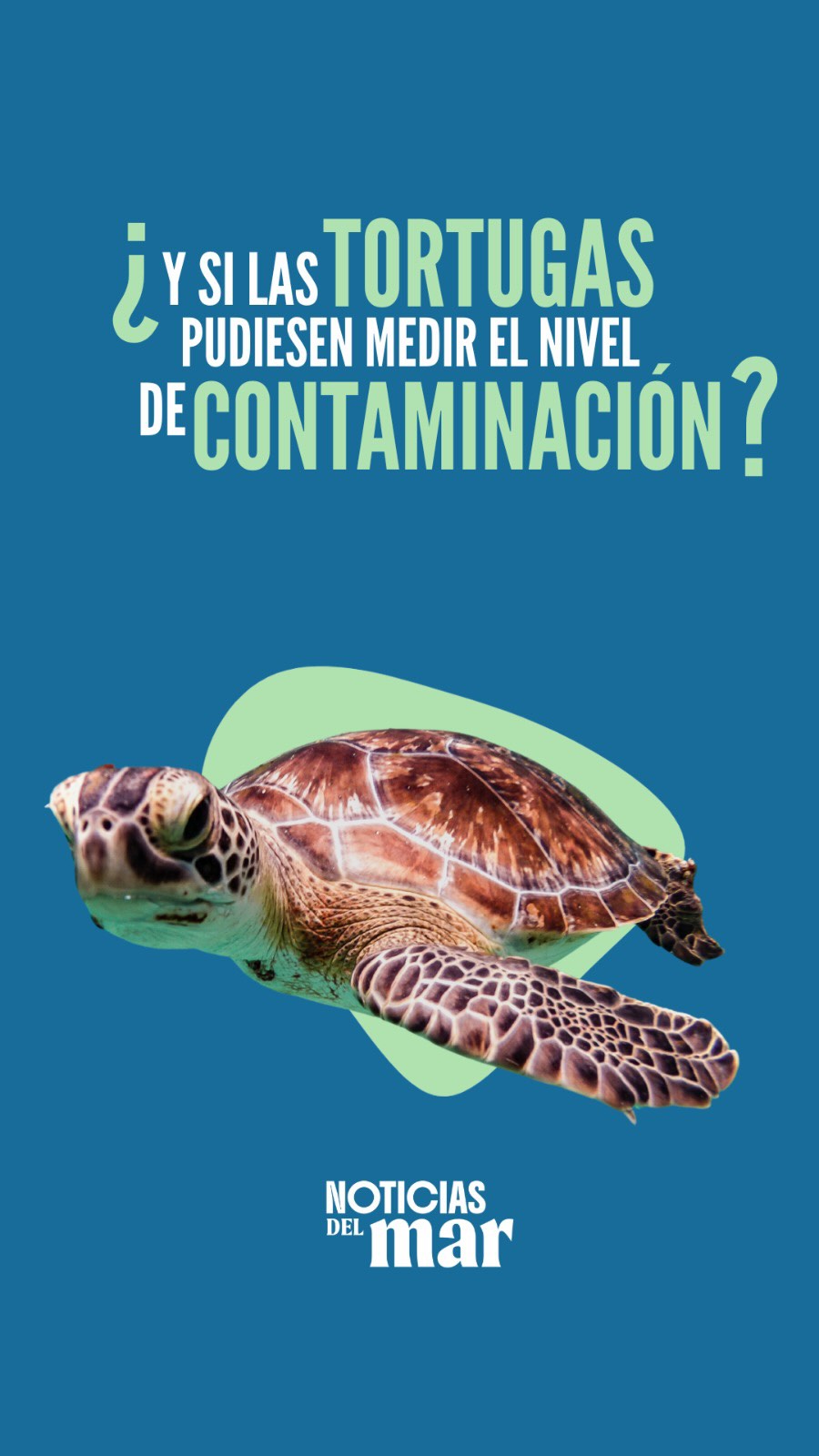
Sea turtles are indicators of ocean health because their fate often mirrors the state of marine environments. For instance, changes in turtle behavior or populations can signal shifts in food availability, water quality, and environmental conditions. When turtle populations decline or exhibit abnormal behaviors, it may indicate underlying issues in their habitats, such as pollution or habitat destruction. This connection makes sea turtles valuable bioindicators, allowing researchers to assess the health of marine ecosystems.
The threats facing turtle populations are varied and numerous. Habitat loss is among the most pressing issues. Coastal development, pollution, and climate change significantly impact nesting sites, feeding areas, and migratory routes. The increased temperature due to climate change can affect the sex ratio of hatchlings, leading to skewed populations that have further implications for reproductive success. Moreover, bycatch from fishing practices forms a severe threat to these reptiles; turtles often become entangled in nets or caught on lines, leading to injury or death.
Conservation strategies are essential to combat the challenges faced by sea turtles. Protecting nesting beaches through legal protections is a crucial aspect of ensuring healthy populations. Elevated awareness about sustainable fishing practices can also mitigate bycatch. For example, introducing turtle excluder devices in nets can allow turtles to escape while keeping fish trapped. Awareness campaigns can educate fishermen and coastal communities about the importance of turtles and the need for their conservation.
Community engagement plays a fundamental role in turtle conservation initiatives. Local populations can significantly contribute to both habitat protection and research efforts. When communities understand the ecological connections sea turtles represent, they often see the value in conserving their habitats. Citizen science programs can promote local involvement in monitoring populations and habitats. Schools can incorporate marine biology into their curricula to inspire future generations to advocate for marine environments.
Through education and action, the public can contribute to the conservation journeys of these creatures. The role turtles play as indicators of ocean health provides an accessible entry point for discussions about wider environmental challenges, creating a bridge between interest and action. Engaging local communities through information sessions, interactive workshops, and beach clean-up initiatives can foster a sense of pride and responsibility toward marine conservation.
As ecosystems continue to face pressures from human activity, sea turtles serve as a poignant reminder of the interconnectedness of life. Their survival is not merely a question of species conservation but rather an essential aspect of marine health and biodiversity. Monitoring turtle populations and their habitats can yield significant data on ocean health metrics, providing actionable insights into broader environmental trends.
In summary, sea turtles embody the delicate balance of marine ecosystems. Their well-being directly impacts other marine life, and their decline often signals broader environmental issues. Collaborative conservation efforts and proactive community engagement become instrumental in preserving not only the turtles themselves but the ecosystems of which they are an integral part. Investing in both research and public education will be paramount moving forward in our journey to safeguard these remarkable animals and their habitats.
*****
Source Description
🚨🐢 ¿Y si las tortugas nos indicasen la salud del mar?
🌊 Te decimos cómo esto podría ser posible en tu informativo favorito:
¡Ciao Pescao! 🐡
