
- The importance of community events for animal welfare and conservation.
- The role of dogs in promoting physical activity and social connections.
- How events like Dog Days foster a love for wildlife and nature.
- The significance of responsible pet ownership and its impact on the environment.
- Future events and initiatives aimed at expanding community engagement.
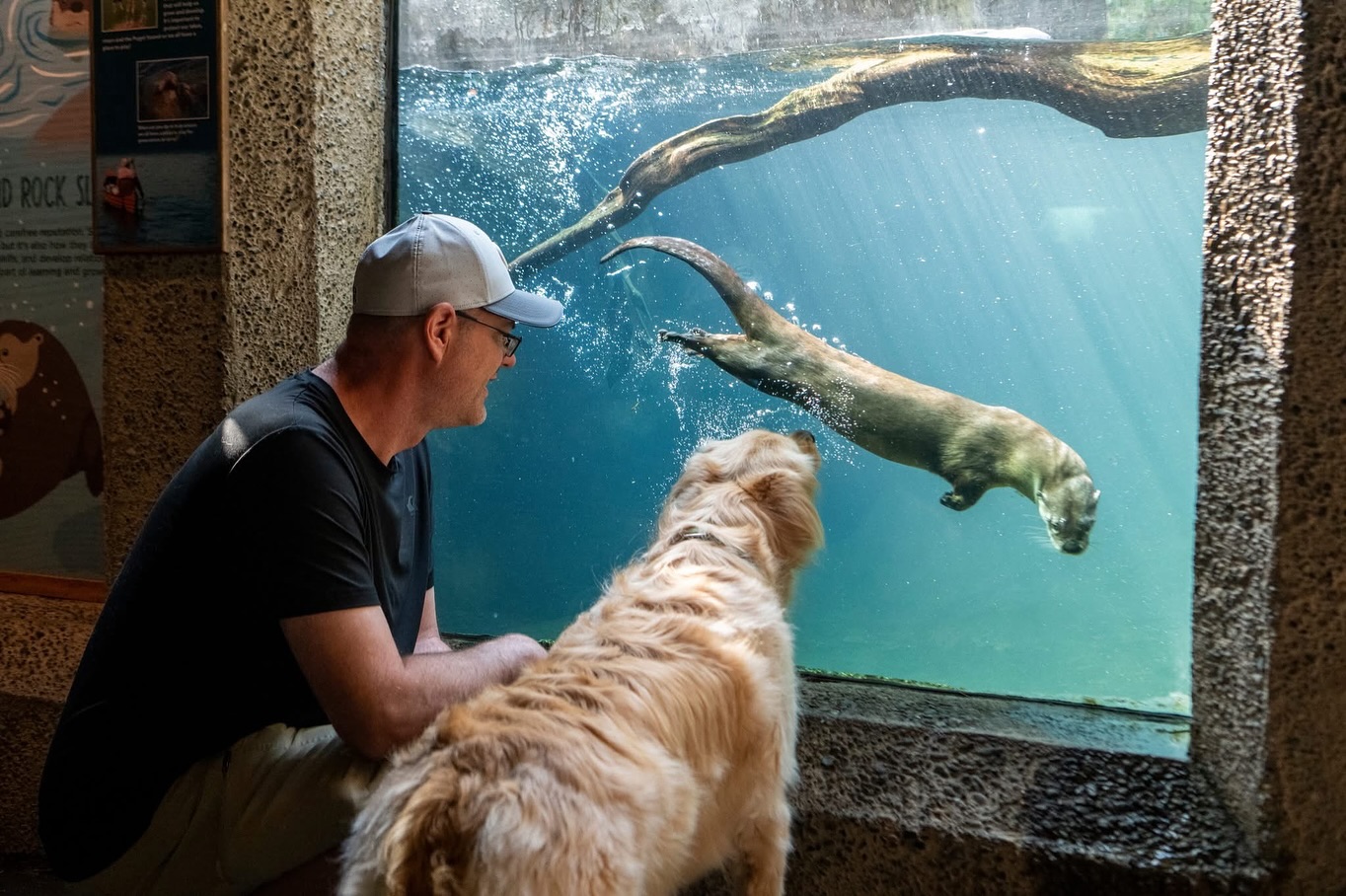
Thank you to everyone (two-legged and four-legged!) who joined us for our first Dog Days event! Celebrating the bond between humans and their canine companions is essential for fostering community spirit and promoting wildlife conservation. This event served as a reminder that integrating animal welfare with social activities can bolster the connection between communities and the natural world.
Community events like Dog Days serve a dual purpose. They not only benefit animal welfare by promoting adoption and responsible pet ownership but also bring together individuals united by a shared love for animals. Such gatherings can enhance awareness about the importance of protecting natural habitats and the diverse species that inhabit them. By connecting with fellow attendees, participants are often inspired to take part in further conservation initiatives, whether through volunteering, donations, or educational participation.
The role of dogs in promoting physical activity and social connections cannot be overstated. Research has shown that dog ownership encourages regular exercise, such as walking or hiking. This not only benefits the health of pet owners but also builds strong community ties. By exploring trails and local parks together, dog owners meet others who share similar interests. As dogs play and interact, their humans have an opportunity to bond as well, leading to new friendships and valuable networking opportunities.
Physical activity stimulated by pet ownership is critical for both dogs and their owners. Dogs require regular exercise to maintain a healthy weight and reduce behavioral issues often rooted in pent-up energy. For their human companions, daily walks and outdoor activities promote cardiovascular health, reduce stress levels, and offer mental stimulation. Events like Dog Days highlight this connection while emphasizing the importance of an active lifestyle.
Furthermore, Dog Days encourages a profound love for nature and wildlife. When participants trek through scenic trails, they learn more about local ecosystems, flora, and fauna. Programs often include informative components, such as guided nature walks or talks by wildlife experts, who explain the essential roles various species play in their environments. Such knowledge is vital in fostering respect and appreciation for the natural world. Participants leave with a better understanding of the interconnectedness of all living organisms and the importance of preserving habitats.
Responsible pet ownership also plays a significant role in wildlife conservation. Pet owners have a unique responsibility to manage their pet’s impact on local ecosystems. For example, uncontrolled pet populations can harm native wildlife through predation, competition, or disease transmission. Educating dog owners about leash laws and responsible waste disposal can minimize these risks. Events like Dog Days emphasize the importance of keeping pets leashed in natural areas and cleaning up after them. This not only reflects responsible ownership but also demonstrates respect for the environment and its inhabitants.
As communities rally around conservation initiatives, they may spark further engagement in ecological projects, such as habitat restoration or clean-up events. Dog Days can serve as a catalyst for discussions on pressing environmental issues, encouraging participants to become advocates for nature and sustainability. As they interact with the landscape and learn more about the ecosystems they traverse, dog owners may be inspired to take further steps to promote environmental stewardship, whether through volunteering for local conservation efforts or advocating for policies that protect natural spaces.
Looking ahead, it is exciting to anticipate the next Dog Days event. Given the success and enthusiasm demonstrated in our first gathering, it stands to reason that this initiative will grow and evolve to meet the interests of both humans and their dogs. Future events may include specialized activities tailored to various breeds or sizes, with options for hikes, agility courses, or training workshops. These activities not only deepen the bond between pet and owner but also provide valuable training and enrichment opportunities that foster responsible pet care.
Furthermore, collaboration with local wildlife organizations or conservation groups could enhance future Dog Days events. By partnering with experts in the field, the depth and breadth of knowledge presented at these gatherings could expand significantly. Hosting educational booths, animal demonstrations, or interactive displays would enrich the overall experience and encourage ongoing engagement in local conservation efforts.
Lastly, initiatives such as contests for the best dog trick or best costume, along with social media campaigns featuring participants and their pets, can cultivate community pride and excitement leading up to the event. This approach will not only generate buzz on social platforms but also raise awareness regarding animal welfare and environmental challenges facing the community.
Excitingly, Dog Days represents more than just a family-friendly event; it stands as a celebration of the bonds we share with our pets and the natural world. From happy hikes through local parks to wagging tails and joyful barks, this event encapsulates a genuine love for animals and the environment.
The success of Dog Days brings broader implications for animal welfare and conservation. As communities gather to celebrate, they rally around crucial issues of ecological importance. By harnessing the collective power of pet owners, conservationists, and local governments, we can raise awareness and contribute positively to the ecosystems we cherish.
Thank you again to everyone who participated in our inaugural gathering. Your support reinforces our commitment to making Dog Days a staple event in our community’s calendar—one that will foster appreciation for our four-legged friends and the natural world. As we look to the future, we encourage everyone—human and canine alike—to keep your ears perked for updates. This event is just the beginning of our journey in intertwining the joys of pet ownership with a deeper understanding of wildlife conservation.
Every Dog Days event strengthens the community while reinforcing the crucial links between responsible pet ownership and environmental health. The excitement generated during our first gathering stands as a powerful reminder that when we come together for a common cause, we can achieve extraordinary outcomes.
In a world increasingly affected by urbanization and climate change, unity in advocating for responsible pet ownership and wildlife preservation becomes essential. As we welcome you to future events, remember that every bark and wagging tail contributes to a broader mission of harmony between humans and nature. Your participation not only enriches your life and that of your pet but also paves the way for nurturing future generations passionate about preserving our planet.
Together, we can inspire a culture of conservation through community engagement. Dog Days serves as a vibrant platform to adopt responsible practices and foster a love for our natural world; we look forward to seeing the positive impacts that will emerge in the years to come.
*****
Source Description
Thank you to everyone (two-legged and four-legged!) who joined us for our first Dog Days event! 🐕🌲 From happy hikes to wagging tails, it was a paw-some day of adventure. 🐾
Good news, pups! Dog Days will be back. Keep your ears perked for details. 💚
