
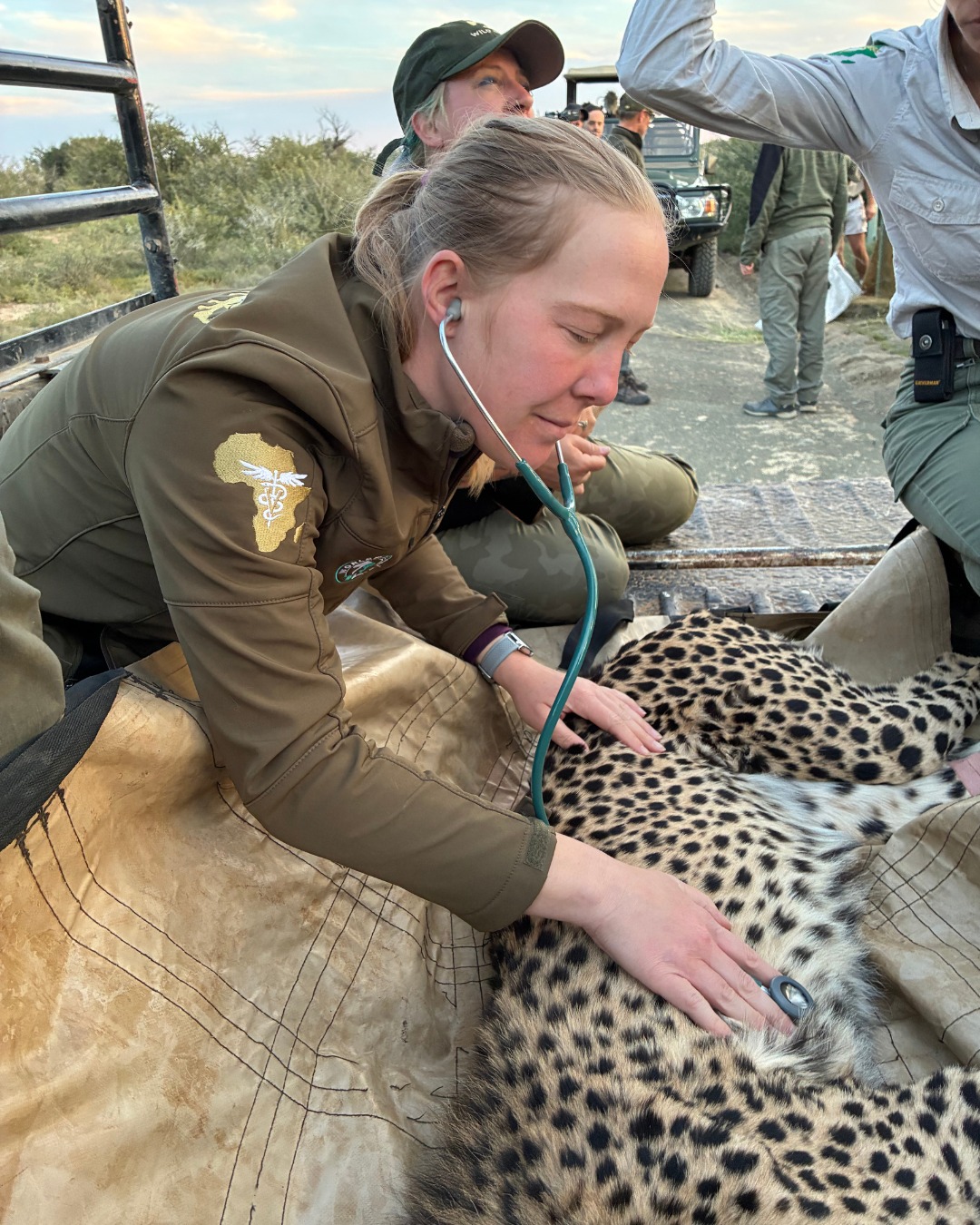
- Linden’s two-week veterinary program in South Africa focused on wildlife medicine.
- Specific wildlife species encountered, including cheetahs and rhinos.
- The importance of veterinary care in wildlife conservation.
- Challenges faced in wildlife medicine and field practice.
- The role of veterinary professionals in preserving biodiversity.
This summer, our vet tech Linden participated in an exceptional two-week veterinary program in South Africa. This experience involved practicing wildlife medicine in the field, working with majestic animals such as cheetahs, rhinos, and various other species. As we celebrate this incredible journey, it is essential to highlight the significance of such programs and the vital role they play in wildlife conservation.
Participating in a veterinary program like Linden’s provides invaluable hands-on experience. South Africa, known for its diverse ecosystems, offers a rich opportunity for veterinary professionals to engage with wildlife in their natural habitat. The field experience allows participants to apply their knowledge in real-life situations, enhancing their understanding of animal health and conservation practices. Linden’s work involved routine check-ups, vaccination protocols, and emergency care, demonstrating both the physical and psychological demands of working in wildlife medicine.
While in the field, Linden had the opportunity to observe and interact with key wildlife species. Cheetahs are remarkable animals, renowned for their incredible speed and agility. However, they face numerous threats, including habitat loss and poaching. Veterinary care plays a crucial role in monitoring their health, ensuring that populations remain stable. By closely examining cheetah health, veterinary professionals can gather vital data on genetics, breeding, and environmental adaptations. Such research contributes directly to conservation strategies aimed at maintaining viable populations in the wild.
Rhinos were another focal point of Linden’s program. These animals are under immense threat due to illegal poaching driven primarily by the demand for rhino horn. Conservation efforts have become increasingly urgent, and veterinary professionals are on the front lines. The health of rhinos can provide insight into the overall ecosystem, as their presence affects many other species. veterinary care involves not only treating individual animals but also advocating for protective measures that benefit entire populations.
The importance of veterinary care in wildlife conservation cannot be overstated. Wildlife veterinarians play a vital role in monitoring ecological health. Their work helps mitigate the impacts of disease outbreaks, human-wildlife conflict, and environmental changes. By conducting health assessments, these specialists can identify potential threats to specific species and develop management plans. Conservation organizations heavily rely on their expertise to create effective strategies for wildlife preservation.
Linden’s experiences also highlighted the challenges faced in wildlife medicine. Working in remote areas, where access to resources is limited, presents numerous difficulties. Emergency care can be particularly challenging, requiring quick thinking and resourcefulness. Additionally, wildlife often exhibit different physiological responses compared to domesticated animals, making diagnosis and treatment more complex. Understanding these differences is crucial for effective wildlife management and successful conservation efforts.
Field practice also involves collaborating with local communities. Engaging with indigenous populations enhances the understanding of cultural perspectives on wildlife. This collaboration is essential for sustainable conservation initiatives. Veterinary professionals must interact with these communities to build trust and encourage participation in wildlife protection efforts. By educating locals about the importance of biodiversity and animal health, these professionals lay the groundwork for long-term conservation success.
Veterinary professionals fulfill multiple roles in preserving biodiversity. Their responsibilities extend beyond immediate animal care to advocacy and education. Many work in tandem with ecologists and conservation biologists to develop comprehensive management plans. This interdisciplinary approach is vital for addressing the multifaceted challenges facing wildlife today.
In a program like Linden’s, participants often learn about the legal and ethical considerations surrounding wildlife management. Veterinary medicine intersects with issues such as wildlife trafficking, habitat destruction, and climate change. Understanding legislation relevant to wildlife protection is essential for veterinarians working in the field. Knowledge of these laws empowers them to take action on behalf of the species they care for.
The training offered in such programs is essential for fostering a new generation of wildlife veterinarians. As the demand for skilled professionals continues to grow, programs offering hands-on experience become more critical. Linden’s journey exemplifies how such opportunities contribute to the development of competencies required in wildlife medicine. Each experience equips participants with the tools necessary to face the complexities of wildlife healthcare.
Moreover, the success of wildlife conservation initiatives heavily relies on public engagement. Creating awareness of wildlife issues locally and globally encourages support for these endeavors. Veterinary professionals can act as ambassadors, sharing their knowledge and experiences with a broader audience. By highlighting stories like Linden’s, they can inspire future generations to take an interest in wildlife conservation.
One notable aspect of Linden’s program is the emphasis on data collection. Collecting data during fieldwork is integral to effective wildlife management. This information helps track populations, monitor health trends, and evaluate the success of conservation strategies. By contributing to scientific research, veterinary professionals enhance the understanding of wildlife populations and their ecological roles.
Animal health is influenced by a variety of factors, including habitat quality, availability of resources, and interactions with humans. Therefore, veterinary work cannot be isolated from broader conservation initiatives. A holistic approach is necessary for improved wildlife care and long-term ecological stability. Programs that combine academic learning with practical experience allow aspiring veterinarians to grasp these interconnected dynamics.
While the challenges are significant, the potential for positive impact is immense. Linden’s two-week experience in South Africa illustrates the invaluable role of veterinary technicians in wildlife medicine. The skills gained through such programs contribute to ongoing conservation efforts that benefit not just individual species, but entire ecosystems.
In summary, participating in wildlife veterinary programs allows veterinary professionals to gain critical experience, engage with diverse species, and contribute to conservation efforts. Linden’s time in South Africa presents insights into the pressing need for qualified individuals in wildlife medicine. Through such educational opportunities, the veterinary community continues to advance the goals of wildlife preservation.
Celebrating the efforts of those like Linden highlights the importance of ongoing involvement in wildlife conservation. As we recognize these contributions, we must also advocate for more opportunities like those experienced by our vet tech. By investing in education and training, we can work collectively towards a future where wildlife thrives, and biodiversity is preserved. The importance of this work transcends individual endeavors; it resonates with the broader mission of environmental stewardship. Given the increasing pressures faced by wildlife, the commitment of veterinary professionals like Linden is more crucial than ever.
*****
Source Description
This summer, our vet tech Linden took part in an amazing 2-week veterinary program in South Africa, practicing wildlife medicine in the field with cheetahs, rhinos, and other species. 🩺
🔜 Stay tuned for Linden’s international adventures later this month!
And in the meantime, Happy A day for celebrating the wonders of wildlife, and those working to protect it, here and everywhere! 🌎
