
Summary of April Showers Bring…Rain Barrels! – Cincinnati Zoo & Botanical Garden:
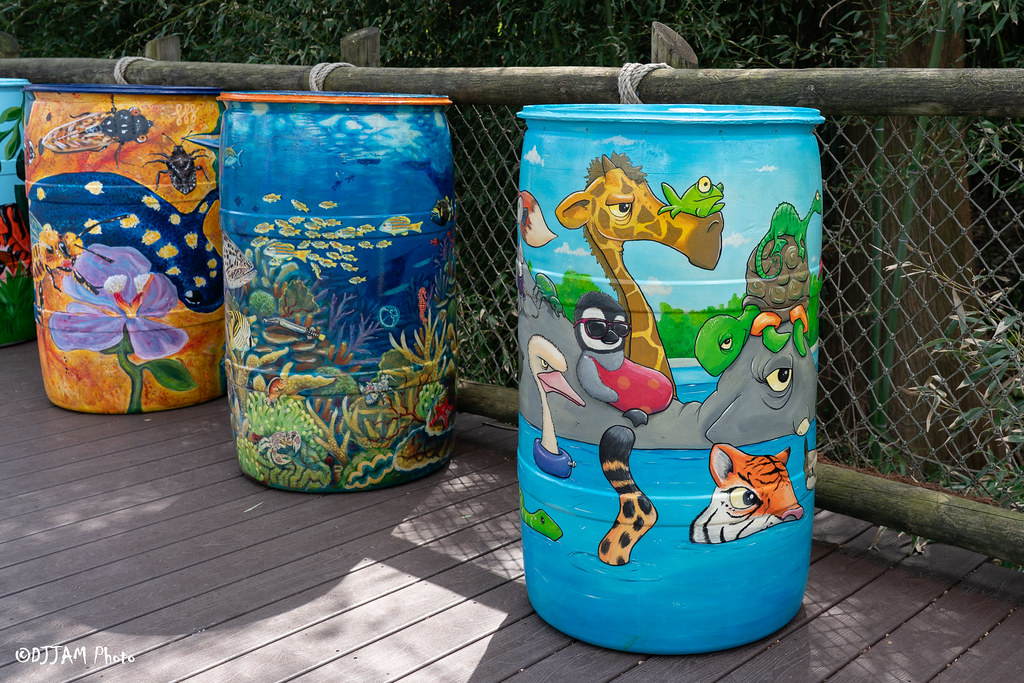
The Cincinnati Zoo & Botanical Garden collaborates with Save Local Waters to host the Rain Barrel Art Project each spring. Each year, 40 barrels are painted by selected artists who submitted designs the previous fall. After a workshop on the painting process, participants transform plastic barrels into artwork. The project welcomes a variety of artists, from newcomers to professionals. Interested participants can check Save Local Waters’ website for details on the 2027 project, with entries opening in October 2026.
- The partnership between the Cincinnati Zoo & Botanical Garden and Save Local Waters.
- The significance of rain barrels in stormwater management and conservation.
- The artistic transformation of rain barrels and the community involvement in the Rain Barrel Art Project.
- The educational workshops and their role in promoting environmental awareness.
- How to participate in future rain barrel projects and contribute to local conservation efforts.
The Cincinnati Zoo & Botanical Garden has formed a meaningful partnership with Save Local Waters, a collaborative effort involving municipalities and conservation districts across Ohio, Indiana, and Kentucky. This initiative aims to address water management issues while simultaneously fostering artistic expression. Each spring, the Rain Barrel Art Project showcases this collaboration, engaging community members while addressing the pressing challenges of stormwater management.
Rain barrels play a crucial role in sustainable water management. These simple yet effective devices collect rainwater from rooftops, directing it into storage tanks for later use. By harnessing rainwater, households can reduce the demand on local water supplies. The use of rain barrels helps mitigate the impacts of stormwater runoff, which can cause erosion and pollution in local waterways. During heavy rainfall, excess water can rush into storm drains, carrying pollutants and debris directly into rivers and streams. By capturing this water, rain barrels help prevent these negative consequences.
Each spring, the Rain Barrel Art Project invites community members to participate in an artistic endeavor, turning mundane plastic barrels into eye-catching pieces of art. Artists from various backgrounds submit designs each fall, and following the selection process, they attend a workshop organized by the Cincinnati Zoo & Botanical Garden and Save Local Waters. This workshop serves as an essential platform for sharing techniques regarding painting and surface preparation, ensuring that artists are well-equipped to work on their barrels.
The transformation of these rain barrels into vibrant works of art creates a unique opportunity for both expression and education. Each barrel reflects the artistic vision of the participants, ranging from seasoned artists to novices, as well as classes that work collaboratively. The result is a diverse collection that represents local culture and creativity. The blend of aesthetics and functionality makes these barrels not only visually appealing but also serves as conversation starters about environmental stewardship.
Workshops are an integral part of the Rain Barrel Art Project. They educate participants about the importance of water conservation and stormwater management while also providing hands-on experience. Participants are taught not only painting techniques but also the functionality of rain barrels and their role in the local ecosystem. This dual-focus approach promotes environmental awareness among community members, equipping them with knowledge and practical skills to maintain their rain barrels effectively.
Support for this project extends beyond just the creative aspect. Participants are actively engaged in discussions about hydrology and local conservation efforts. This engagement fosters a deeper understanding of how each individual’s efforts contribute to larger community goals, such as reducing runoff and improving water quality in local lakes and streams.
The Rain Barrel Art Project is an evolving initiative that strives to engage participants of all ages. Each year brings new artists and fresh ideas, creating a dynamic atmosphere that encourages participation. The inclusion of new artists alongside returnees enriches the experience for everyone involved. Whether an individual has painted barrels for years or is participating for the first time, the community spirit is palpable.
For those interested in joining the effort, the entry period for the next project opens in October 2026. Engaging with Save Local Waters’ website allows prospective participants to stay informed about workshops, deadlines, and other valuable resources. Each project represents an opportunity to contribute to community conservation efforts and educate others about the importance of sustainable practices.
As the project continues, the impact becomes increasingly evident. Local waterways benefit from decreased pollution, while communities gain greater awareness of their environmental footprint. The Rain Barrel Art Project exemplifies the merger of art and conservation, highlighting how creative expression can inspire change.
In supporting the Rain Barrel Art Project, participants also support a larger movement towards environmental responsibility. Community members learn how small, manageable changes—like using rain barrels—can have significant positive outcomes on a larger scale. By promoting environmental education and artistic creativity, the Cincinnati Zoo & Botanical Garden helps to cultivate a culture of conservation.
This program serves as a model for other cities and regions looking to address stormwater management creatively. It demonstrates how engaging community members through art can foster not just aesthetic appreciation but also environmental stewardship. Future participants can look forward to expanding on the success seen in past years.
The integration of art into conservation efforts creates connections. Painting rain barrels becomes an avenue for cultural expression, while the underlying purpose remains to enhance environmental awareness. Artists often incorporate local wildlife, flora, and environmental themes into their designs, which adds another layer of meaning. Through visual storytelling, they communicate the importance of protecting natural resources.
Moreover, the project interacts with education at various levels, emphasizing the importance of water conservation early in schools. Classes participating in the project often integrate research on water-related issues into their art sessions, bridging science and art. This integrated approach not only enhances learning experiences but nurtures a generation of environmentally conscious individuals.
Through sustained collaboration among artists, educators, and conservationists, the Rain Barrel Art Project continues to influence local perspectives on water management. Each barrel painted serves as a reminder of the collective responsibility to protect our vital water resources. The visible presence of the painted barrels across the region serves not just an aesthetic purpose; they provoke thought and inspire action through visual art.
For many participants, this initiative leaves a lasting impression. Artists often report feeling more connected to their community and its environmental challenges through involvement with the project. The combination of creativity and advocacy reinforces the idea that art can be a powerful tool for change.
In summary, the Rain Barrel Art Project showcases how collaboration, artistry, and environmental responsibility can converge to foster a culture of sustainable living. The Cincinnati Zoo & Botanical Garden, in partnership with Save Local Waters, has created a platform that supports artistic expression while also addressing urgent water management issues. Through continued involvement and expansion of these initiatives, communities can work towards a more sustainable future, one rain barrel at a time.
