
- History and Significance of Arbor Day
- Ecological Contributions of Yellow Birch Trees
- Importance of Earth Week Celebrations
- Engaging with Local Conservation Efforts
- Emphasizing Education and Stewardship
Arbor Day, a holiday dedicated to trees, has been celebrated in various forms across the globe. It offers a moment for communities to enhance their environment through tree planting. In the United States, Arbor Day was first observed in 1872 in Nebraska, thanks to J. Sterling Morton, who saw the importance of trees in agriculture and environment. The states have since adopted the day, encouraging the planting of trees for ecological and economic benefits.
The yellow birch tree, Betula alleghaniensis, is a native North American species cherished for its versatility and beauty. These trees stand out with their attractive, peeling bark in hues of yellow and bronze. Yellow birches thrive in full sun to partial shade environments, reaching up to 100 feet. With a lifespan extending over a century, they are a long-term asset to any ecosystem. Pollinators such as butterflies and moths frequent these trees, adding to their ecological value by promoting biodiversity.
Earth Week, which includes Arbor Day, encourages a proactive approach to protecting the environment. By observing Earth Week, individuals, schools, and businesses participate in reducing waste, conserving energy, and engaging in sustainable activities. This observance underlines the significance of preserving our natural resources and instigating behavioral change towards conservation.
Local events like the Party for the Planet, presented by TH Media, offer opportunities to engage directly in conservation activities. Hosted at the River Museum, this event invites participants to explore wildlife conservation through interactive experiences. By offering yellow birch saplings, Wagner Nursery promotes the practical application of conservation principles, encouraging participants to take action.
Emphasizing education and stewardship, these events foster a deep understanding of environmental responsibility. By spreading knowledge about trees and their essential roles, communities can cultivate a culture of sustainability. Participants learn about the scientific aspects of tree growth, the ecological interactions within forests, and the impact of human activities on natural habitats.
In essence, Arbor Day and Earth Week serve as pivotal platforms for fostering environmental awareness and action. By embracing these opportunities, individuals contribute to a healthier planet, demonstrating a commitment to ecological stewardship and sustainable living.
*****
Source Description
Happy Arbor Day!
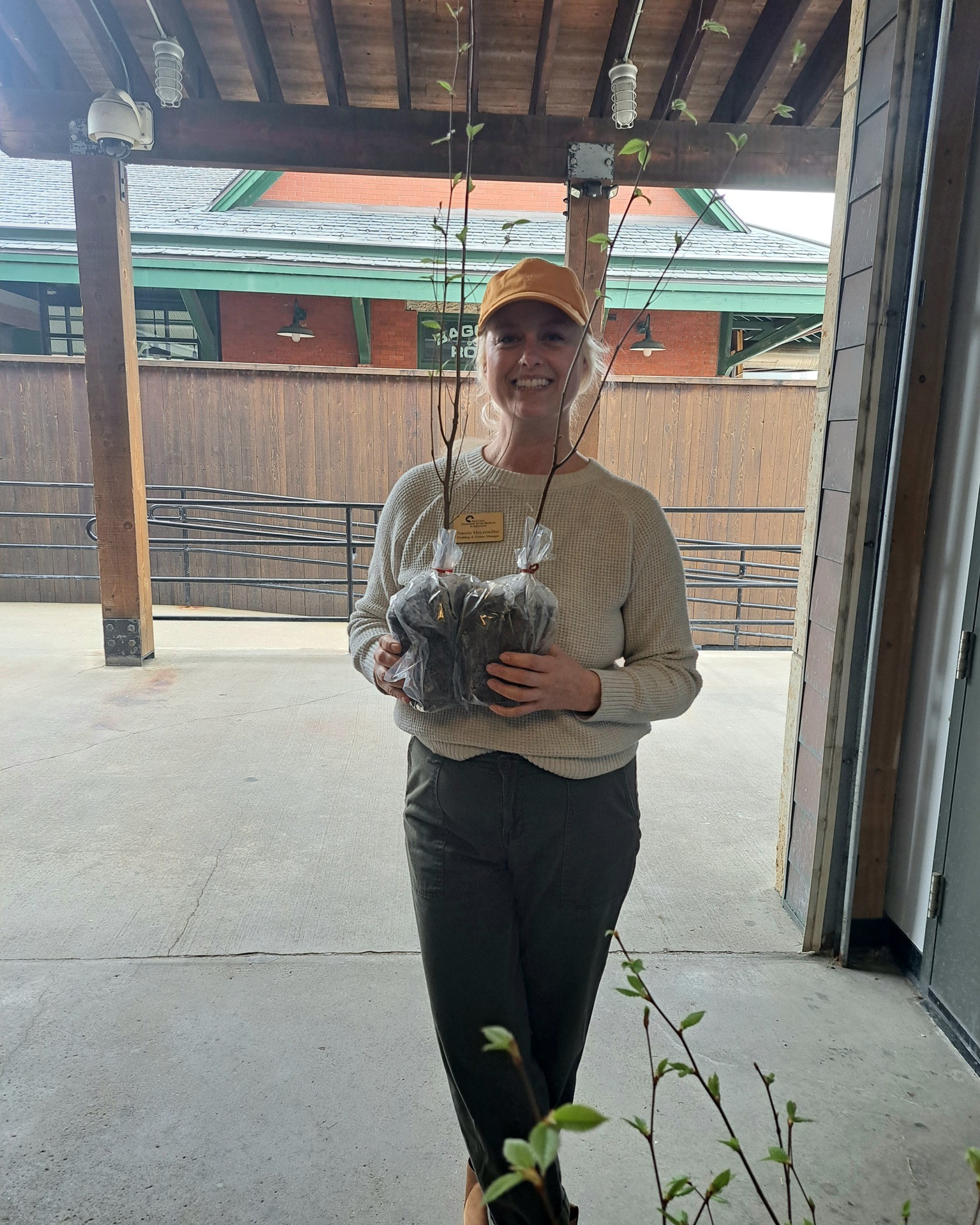
Celebrate Arbor Day and Earth Week with your own yellow birch sapling, courtesy of Wagner Nursery!
You can take one home tomorrow, Saturday, April 26, at the annual Party for the Planet, presented by TH Media.
A full sun to part shade tree, yellow birch trees blossom yellow and green flowers. They can grow up to 100 feet tall and live beyond 100 years in the right conditions. These trees provide ample shade in the summer, beautiful foliage in the fall, and showy bark year-round. Yellow birch are frequently visited by pollinators like butterflies, moths and sawflies.
Party for the Planet takes place from 10 AM until 2 PM on Saturday and is included with general admission!
Check out all the event details at rivermsueum.org/events.
