
- Courtship behaviors in argus pheasants: an overview
- The significance of the courtship dance in mating rituals
- The biology and behavior of the argus pheasant
- The role of zoos and conservation in protecting these species
- Insights on the observational study of avian courtship
Courtship behaviors in argus pheasants: an overview
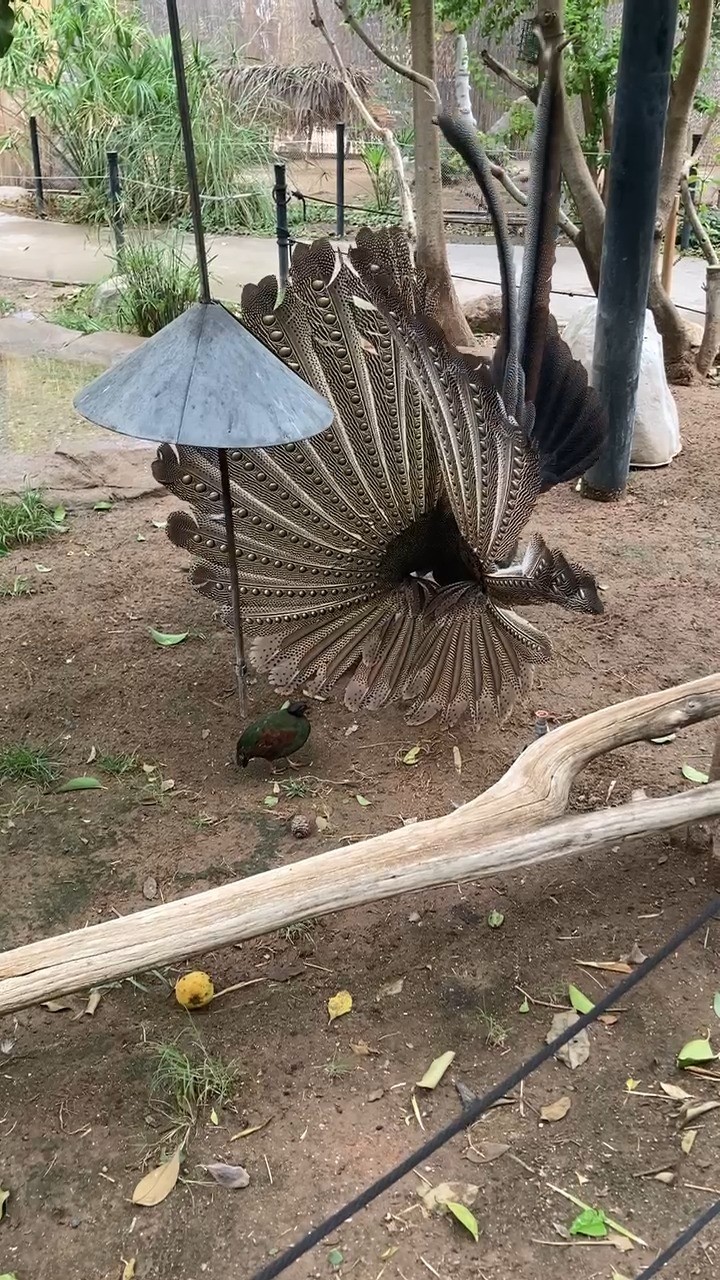
The male argus pheasant is renowned for its elaborate courtship displays. This remarkable bird showcases a sequence of movements and visual signals to attract potential mates. The performance involves a multi-faceted dance featuring intricate feather displays and vibrant plumage patterns. These behaviors are not arbitrary; they serve a crucial purpose in species propagation. The argus pheasant’s dance is emblematic of sexual selection, where the most visually stunning performances influence mate choice.
During mating seasons, male argus pheasants prepare for competition. They select a stage, often a cleared forest floor or open area, that provides visibility for potential partners. Males attract attention with a series of symbolic gestures. The courtship display culminates in a series of jumps, turning, and feather spreading, all of which catch the eye of female counterparts. The interactive aspect of this dance often attracts off-stage spectators like crested wood partridges. This observation highlights the interconnected nature of species in their habitat.
The significance of the courtship dance in mating rituals
Courtship dances are a common phenomenon across avian species. However, the argus pheasant’s performance stands out due to its visual intricacy and coordinated movements. The dance is not merely a display of beauty; it communicates health and genetic fitness to prospective mates. Research indicates that females often choose mates based on the quality of their displays. This behavioral choice influences genetic diversity within populations, ultimately enhancing resilience against environmental changes.
When a male engages in a courtship display, he combines vocalizations with body movements. The sound produced, coupled with his visual presentation, sends out a signal of his overall vitality. Even minor variations in these performances can significantly influence female selection. The social dynamics of choice extend beyond individual interactions; they shape the entire population’s genetic structure.
The biology and behavior of the argus pheasant
Argus pheasants belong to the family Phasianidae, which includes various types of game birds. Their defining characteristics include elongated tail feathers, striking markings, and a generally robust body structure. Males are identifiable by their distinctive plumage composed of iridescent colors, while females remain more camouflaged to blend into their surroundings.
An interesting aspect of the argus pheasant’s biology is their polygamous mating system. Males may compete with each other to display dominance, often leading to several attempts to attract multiple females throughout the mating season. This behavior emphasizes the importance of physical prowess and aesthetic appeal in securing reproductive success.
The argus pheasant’s range spans forests and woodland areas in Southeast Asia, including regions of Malaysia and Indonesia. Habitat loss poses a significant risk to their populations. Deforestation and agricultural expansion severely diminish their breeding grounds, highlighting the urgent need for conservation efforts aimed at this species.
The role of zoos and conservation in protecting these species
Zoos play a critical role in wildlife conservation, particularly for species like the argus pheasant, which are increasingly threatened by habitat destruction. Through breeding programs, educational outreach, and research initiatives, zoos contribute to the preservation of genetic diversity within species. Captive breeding programs can serve as a safety net for endangered species while also fostering public interest in wildlife conservation.
Keeper Maddie’s shared video of a male argus pheasant performing during a courtship dance exemplifies the educational potential of zoo environments. Such exhibitions provide a unique opportunity for observers to witness the complexity of animal behaviors firsthand. Educational presentations raise awareness about the specific challenges faced by species like the argus pheasant and the importance of their conservation.
Furthermore, collaboration among zoos, research institutions, and conservation organizations enhances our understanding of species behaviors and ecosystems. Such partnerships focus on habitat restoration efforts that extend beyond captivity to natural environments. The documentation and analysis of courtship behaviors provide valuable data that can aid in species management and conservation strategies.
Insights on the observational study of avian courtship
Observing courtship dances like that of the argus pheasant allows researchers to gather substantial data on avian behaviors. Field studies often employ various methodologies to analyze these complex interactions. Through techniques such as video monitoring and behavioral analysis, researchers can discern patterns and preferences that inform our understanding of sexual selection.
Diverse factors influence the success of these courtship displays. Researchers examine the correlation between environmental conditions, bird health, and even the presence of competing males. This multifactorial approach serves to create a comprehensive understanding of the dynamics involved in reproductive success.
Moreover, documenting avian courtship behaviors contributes to ecological studies on habitat requirements and interactions between species. As various species are observed within the same ecosystem, the interconnectedness becomes evident. Avian courtship not only influences genetic diversity but also plays a role in the health of overall ecosystems.
In studying species like the argus pheasant, one gains valuable insights into the intricate relationships between animal behavior, evolutionary dynamics, and ecological health. Each display, including the impressive courtship dance, reveals layers of interaction between species and their environments. The meticulous observation and research not only advance scientific understanding but also empower conservation efforts aimed at safeguarding these fascinating birds.
The captivating courtship dance of the male argus pheasant epitomizes the behaviors that permeate the avian world. This remarkable display not only speaks to the unique characteristics of the species but also emphasizes the importance of habitat conservation and educational outreach through institutions such as zoos. The synthesis of biology, behavior, and conservation provides a holistic view of not just the argus pheasant but also the ecosystems they inhabit.
By engaging in active observation and exploration of these courtship rituals, we enhance our appreciation for wildlife and contribute to ongoing conservation initiatives. The study of avian courtship, particularly in species like the argus pheasant, continues to be a critical area of research that informs our understanding of biodiversity and ecological stability. Wildlife enthusiasts, researchers, and conservation practitioners alike are encouraged to remain vigilant in their efforts to support and protect the creatures that share our planet.
*****
Source Description
Dancing the day away, this male argus pheasant is performing a courtship dance. In this video, he’s practicing on a crested wood partridge who was passing by. Special thanks to Keeper Maddie for sharing this video with us!
