
- The significance of harvest season in wildlife behavior and ecosystems
- Douglas the porcupine’s dietary preferences and habits during autumn
- The role of zoos in wildlife conservation and education
- Upcoming events like Boo at the Zoo and their educational purposes
- The impact of human actions on wildlife during harvest season
The arrival of harvest season marks a pivotal time not only for agriculture but also for wildlife. As crops are gathered from the fields, the surrounding ecosystems undergo notable changes. This transition is especially impactful on animal behavior, food availability, and migration patterns. For instance, many animals adjust their foraging habits as they take advantage of the abundance of food. Wildlife adapts to seasonal shifts, and understanding these behaviors provides crucial insights, especially for species like Douglas the porcupine, who thrives on autumn’s offerings.
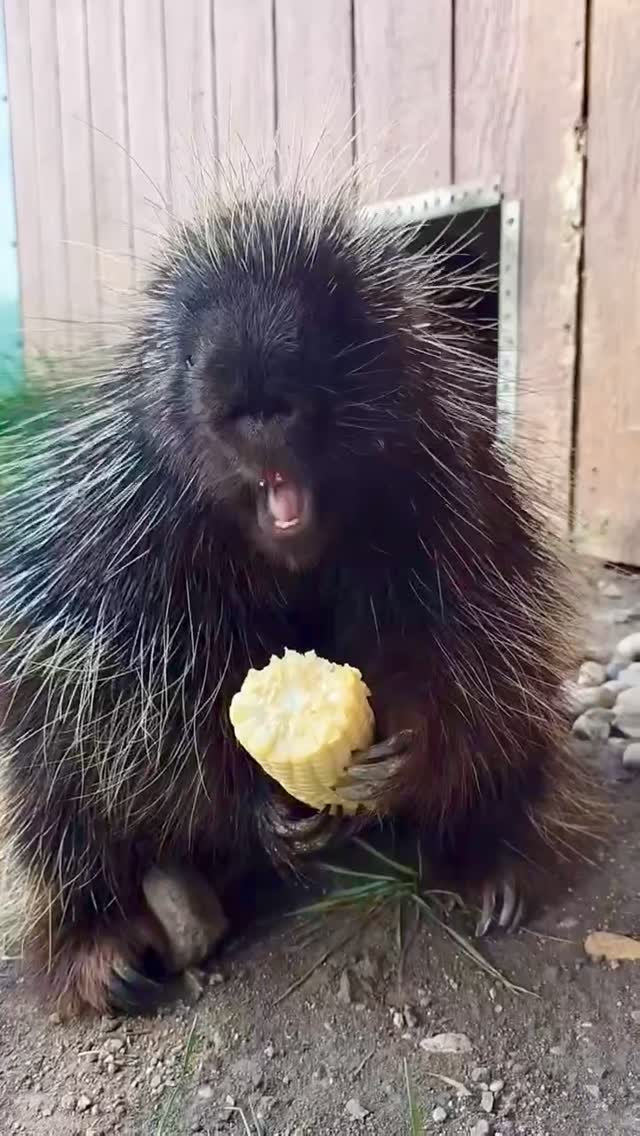
During this time, Douglas the porcupine often indulges in one of the region’s most beloved foods: crunchy corn cobs. Porcupines are herbivores and enjoy a varied diet that includes leaves, fruits, and bark, but they have a particular fondness for corn, especially during harvest season. Corn provides a high-energy food source, which is essential as porcupines prepare for winter. Acorn-rich forests and agricultural fields provide ample foraging opportunities, offering diverse nutrition that aids in their growth and health.
The behavior of porcupines like Douglas can be observed closely in zoological settings, where wildlife management plays a vital role in their care. Modern zoos contribute significantly to wildlife conservation and education. They provide a sanctuary for animals, conduct research, and engage in breeding programs. The staff, including keepers like Sarah, are crucial to maintaining these facilities. In zoos, educators facilitate programs that teach the public about animal behaviors and the importance of conservation. By showcasing animals in their habitats, they foster a deeper understanding of the ecological challenges faced by wildlife.
Events such as Boo at the Zoo further enhance educational opportunities and promote community involvement. During these seasonal celebrations, visitors can engage with wildlife up close while learning about different species and their habitats. Such events typically include activities related to the changing season, allowing families to witness firsthand how animals prepare for winter. This experiential learning can yield lasting impacts, helping attendees form connections to nature and wildlife preservation.
As harvest season progresses, human activities can inadvertently affect wildlife. Agricultural practices, habitat destruction, and urban development can pose threats to the delicate balance of ecosystems. It is vital for communities to consider sustainable practices in farming and land management. Educating people about how to coexist harmoniously with wildlife can lead to better environmental stewardship. These principles not only benefit wildlife but also enhance the well-being of human populations.
Harvest season offers an opportunity to explore the intricate connections between wildlife and their environments. Observing animals like Douglas the porcupine enjoying their autumn diets allows us to appreciate the cycles of nature. The excitement surrounding corn harvests draws attention to the relationships between animals and agricultural practices, highlighting the importance of biodiversity and dietary variety in the natural world.
Moreover, the ecology of harvest season is rich with patterns and interactions. Take, for instance, the way some species adapt their behaviors for foraging. As food sources become more concentrated, animals often exhibit coordinated movements and social behaviors that enhance their foraging efficiency. The presence of corn fields can significantly influence local wildlife populations, encouraging species diversity and supporting healthy ecosystems.
In zoos, keepers utilize their knowledge of these seasonal patterns to prepare feeding regimens for animals. For instance, enrichment activities are implemented to mimic natural foraging behaviors. Corn cobs might be creatively integrated into the habitats of porcupines to stimulate their natural instincts. This practice not only addresses their dietary needs but also contributes to their physical and mental well-being.
The experience of observing Douglas the porcupine with a corn cob serves as a reminder of the simple joys of nature. Each bite he takes signifies a moment in the intricate food chain, where plants convert sunlight into energy, feeding a variety of herbivores and, ultimately, carnivores. This cycle underlines the importance of maintaining integrity in natural habitats, as any disruption can have far-reaching consequences.
With Boo at the Zoo on the horizon, many people will have the chance to witness these principles in action. Seasonal events often incorporate themes related to conservation, with educational booths and interactive displays that help bridge the gap between wildlife and humans. This engagement fosters a sense of responsibility and encourages community members to protect their local environments.
As visitors enjoy corn-themed activities and learn about the diet of Douglas and other wildlife, they become more aware of the challenges faced by animals in urban and rural settings alike. Understanding the interconnectedness of ecosystems is essential for informed decision-making regarding wildlife management and environmental policies.
Research consistently shows that increasing public awareness about wildlife conservation leads to more sustainable practices. When communities recognize their impact on local ecosystems, they are more likely to participate in conservation efforts, engage in responsible landscaping, and adopt practices that protect habitats.
Profit-driven agricultural operations can sometimes overlook the needs of local wildlife, leading to diminished ecosystems. Awareness initiatives can pave the way for collaborative solutions that not only support agriculture but also protect the natural environment. Such symbiotic relationships between farming practices and wildlife coexistence are crucial for sustainable development.
As we enter into harvest season, it’s vital to reflect on our contributions to wildlife management and conservation. Engaging with the community through educational events and interactive experiences solidifies our role in safeguarding wildlife. Embracing the season’s bounty while fostering respect for nature can yield positive outcomes for both animals and humans alike.
Observing Douglas the porcupine enjoying his corn cob reminds us that wildlife experiences seasonal changes that resonate deeply within ecological systems. Emphasizing these connections during educational outreach encourages individuals to appreciate how their actions ripple through the environment. The more we understand wildlife behavior during crucial seasons like harvest, the better equipped we are to protect it.
As autumn unfolds, the playful spirit of events such as Boo at the Zoo invites all to learn more about the natural world. In a broader context, awareness and action can cultivate a culture of environmental responsibility. This connection is vital as we strive to create a future where wildlife, like Douglas the porcupine, can thrive in harmony with agricultural landscapes.
Deepening public knowledge about animal behaviors, ecosystems, and conservation matters has never been more crucial. Harvest season not only highlights the bounty of nature but also serves as a reminder that we all share the responsibility of caring for our environment. Fostering this dialogue opens doors to collaboration, ensuring that wildlife remains an integral part of thriving ecosystems.
*****
Source Description
Harvest season is here, and Douglas the porcupine is enjoying one of this region’s favorite fall foods 🌽, a crunchy corn cob! 🦔😋 Get ready for more autumn fun with Boo at the Zoo coming soon! 🍁🐾🍂 Thanks to keeper Sarah for the a-maize-ing footage!
