
- Ariel the Otter’s Recovery and Return to Habitat
- Understanding North American River Otters: Biology and Behavior
- Health Management and Rehabilitation in Zoos
- Importance of Wildlife Conservation in Modern Zoos
Ariel the Otter’s Recovery and Return to Habitat
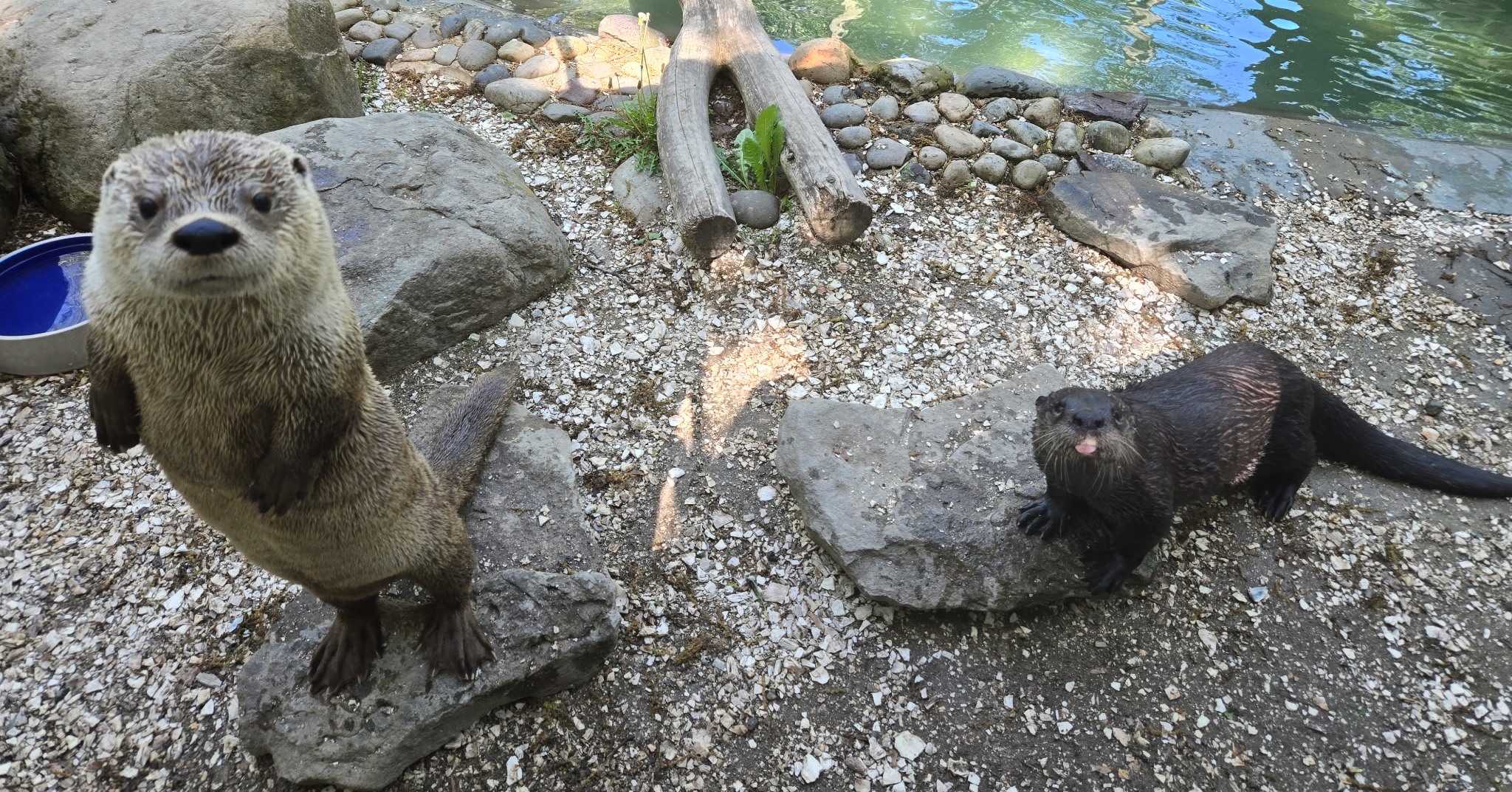
Last week marked a heartwarming milestone at the zoo as Ariel, the North American River Otter, rejoined her companion Mork in their exhibit. After experiencing a stroke in December, Ariel had been recuperating in an off-exhibit area. Her return to the larger pool, embracing the warmth of the lovely weather, speaks volumes about the effective rehabilitation strategies employed by the zookeepers and veterinarians. The recovery of Ariel is a testament to both her resilience and the expertise of her dedicated caregivers.
Understanding North American River Otters: Biology and Behavior
The North American River Otter, Lontra canadensis, is a charismatic mammal known for its playful nature and sleek appearance. These otters are native to a diverse range of aquatic environments across North America, from coastal marshes to inland waterways. They are adapted for a semi-aquatic lifestyle, with webbed feet and dense fur providing waterproof insulation.
River otters are opportunistic feeders, consuming a varied diet that includes fish, amphibians, crustaceans, and small mammals. Their role as apex predators in their ecosystem helps regulate prey populations and maintain ecological balance. Renowned for their social behavior, these otters often engage in activities that appear playful, such as sliding on mud or snow, which strengthens social bonds and hones hunting skills.
Health Management and Rehabilitation in Zoos
Zoos play a critical role in the health care and rehabilitation of their animal residents. Ariel’s recovery from a stroke highlights the comprehensive medical care provided to ensure the well-being of animals in captivity. Veterinarians conduct routine health assessments and develop individualized treatment plans for affected animals.
The management of health issues such as strokes involves both medical intervention and environmental modifications. For Ariel, this meant creating a safe, stress-free environment during her rehabilitation period, along with a carefully monitored diet and exercise regimen to facilitate her recovery. The successful reintroduction of animals like Ariel into their habitats is a rewarding outcome of effective zoo management practices.
Importance of Wildlife Conservation in Modern Zoos
Modern zoos have evolved from mere exhibition spaces to centers dedicated to wildlife conservation and education. The reintegration of animals like Ariel into their habitats serves as a public demonstration of effective conservation efforts. Zoos contribute to the survival of species through breeding programs, habitat preservation, and research initiatives.
Educational outreach is another crucial aspect of zoo conservation efforts. By showcasing animals like the North American River Otter, zoos raise awareness about the challenges faced by wildlife due to habitat destruction, pollution, and climate change. Engaging visitors with real-life success stories fosters a deeper understanding of conservation issues and inspires a commitment to environmental stewardship.
Incorporating advanced medical practices and focusing on ecosystem education, zoos continue to advocate for biodiversity. The return of Ariel to her exhibit not only marks a personal victory but also represents the broader impact of dedicated conservation practices. Through concerted efforts, zoos strive to secure a sustainable future for the diverse species inhabiting our planet.
*****
Source Description
Guess who’s Back!? 🦦
Last week, Ariel, the North American River Otter, joined Mork back on exhibit in the otter habitat! After having a stroke in December, Ariel has been recovering in an off-exhibit area. She is doing very well, and the veterinarians are pleased with her progress! Although she enjoyed being spoiled, we are happy to report that she is enjoying the larger pool and gorgeous weather! ☀
(📷: Zookeeper Amy)
