
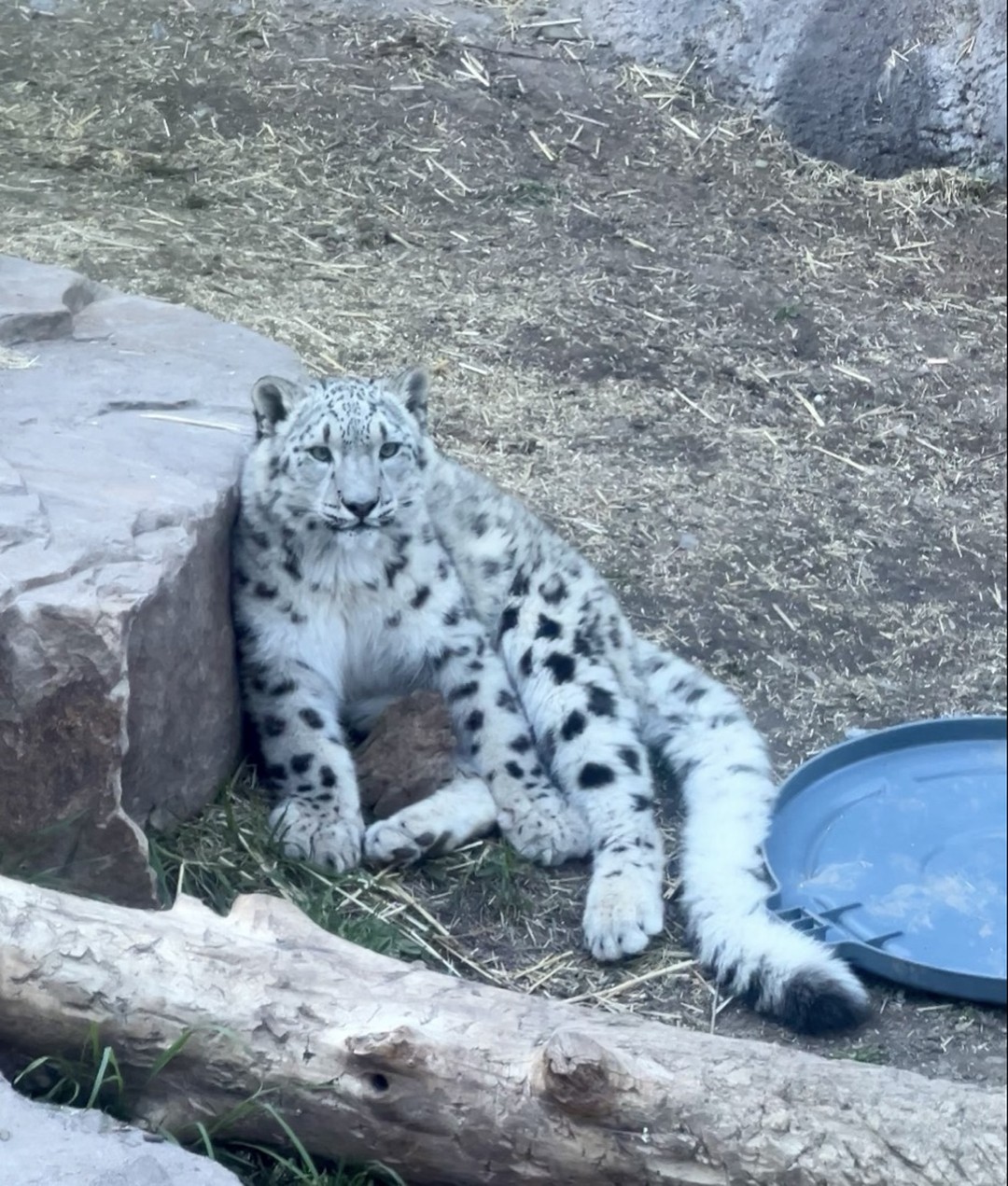
- The playful interaction of animals in captive environments.
- The role of zoos in wildlife conservation and education.
- The importance of enrichment activities for animal welfare.
- Behavioral observation techniques used by zookeepers.
- The impact of social media in promoting animal conservation.
The Instagram post titled “We hope you have a flipping good week 🐾” showcases an engaging scene involving animals. Such content offers a lens into the playful interactions that can be observed in controlled environments, like zoos. These spaces are carefully managed to balance entertainment, education, and conservation efforts, serving critical roles in wildlife preservation.
Zoos play a crucial part in conservation. By creating engaging ways to showcase animals, they foster appreciation and awareness about endangered species. This involves more than just displaying animals to the public; it means actively participating in breeding programs, research initiatives, and public education campaigns. Institutions such as the San Diego Zoo have been pivotal in rescuing species from the brink of extinction, including the California condor and the Baja California Peninsula pronghorn.
Enrichment is a vital element in managing captive animals. These activities are designed to stimulate their cognitive and physical abilities, mimicking the challenges they would face in the wild. For example, puzzle feeders for primates or floating toys for polar bears encourage natural behaviors and provide mental stimulation. Enrichment reduces stress, prevents boredom, and ultimately contributes to healthier animals that are more likely to thrive.
Zookeepers employ various techniques to monitor animal behavior. Close observation is key to understanding individual needs and preferences. For instance, behavioral tracking allows keepers to identify patterns in an animal’s activities, which informs decisions about habitat design and enrichment options. This kind of attentive care is fundamental in developing environments where animals can flourish.
Social media has become a powerful tool in promoting wildlife conservation. Platforms like Instagram allow zoos to reach a global audience, raising awareness about conservation issues and the intricacies of animal care. Posts featuring charismatic species can go viral, bringing attention to lesser-known conservation efforts. This form of digital engagement can lead to increased visitor numbers, donations, and support for conservation initiatives.
In sum, “We hope you have a flipping good week 🐾” represents more than a playful moment. It underscores the dynamic roles that zoos fulfill in conservation, education, and public engagement. Through their commitment to animal welfare, behavioral study, and modern media outreach, zoos continue to be indispensable in the efforts to protect and understand our planet’s biodiversity.
*****
Source Description
We hope you have a *flipping* good week 🐾
