
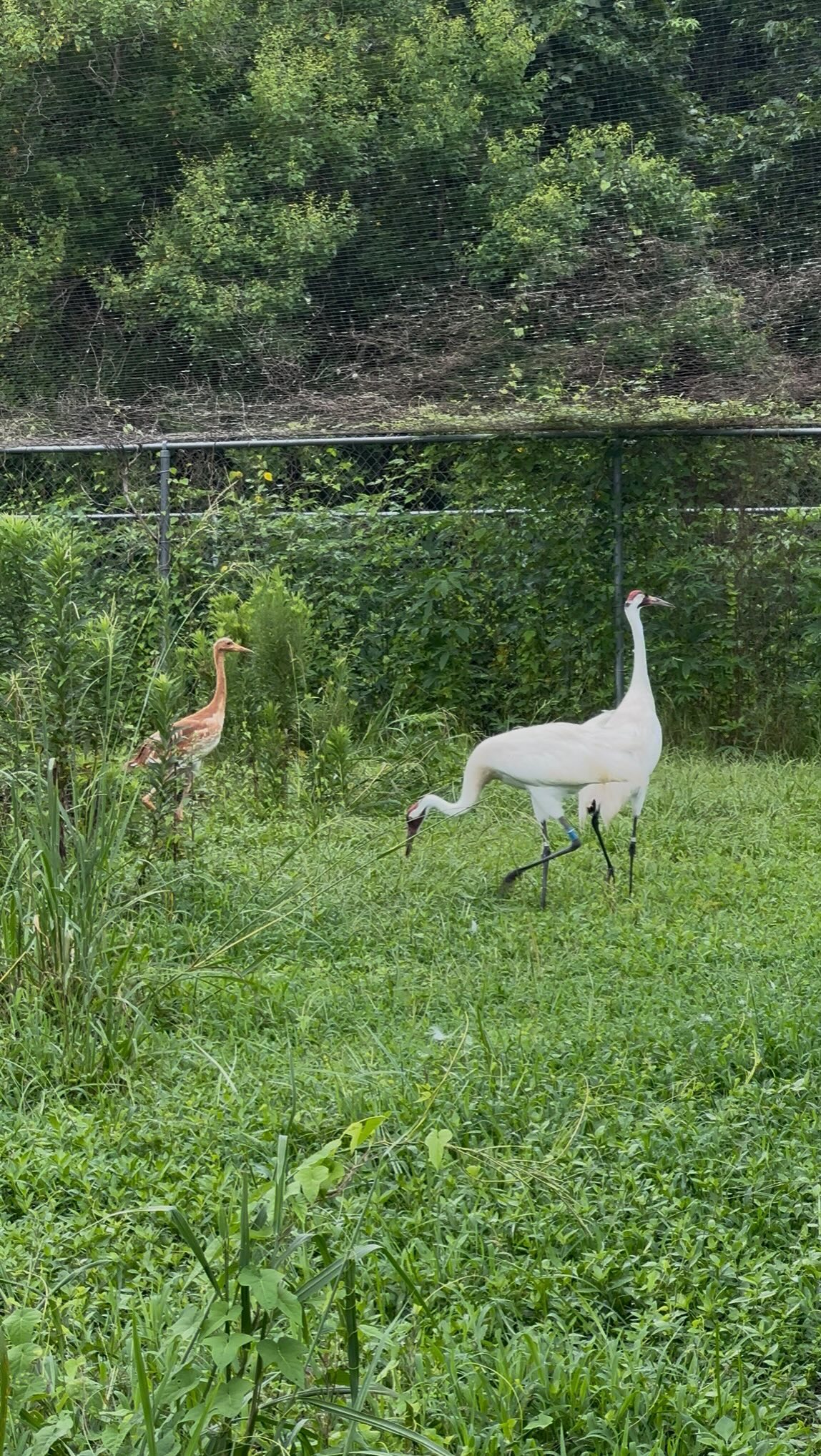
- The significance of whooping cranes in North American ecology and conservation efforts.
- The role of the Audubon Species Survival Center in the breeding program for whooping cranes.
- The collaborative efforts of federal and state agencies, along with non-profit organizations, in conservation.
- Challenges facing whooping cranes and the strategies being employed to address them.
- Future conservation strategies and the importance of public support and collaboration.
The whooping crane (Grus americana) is an iconic symbol of conservation success and ongoing challenges. Once nearing extinction, this majestic bird has become a focal point for restoration efforts across North America. Recognized for its striking white plumage and distinctive calls, the whooping crane plays a vital role in its ecosystem. As a top predator, it contributes to the health of wetland habitats, thus supporting diverse communities of flora and fauna. The renewed focus on whooping crane conservation highlights the critical balance necessary between ecological preservation and human intervention.
At the forefront of these efforts is the Audubon Species Survival Center (ASSC), an essential entity in the breeding and rearing of endangered whooping crane chicks. This center focuses on the sophisticated approaches required for successful breeding programs. With a dedicated team of wildlife biologists, veterinarians, and educators, the ASSC utilizes specific techniques to optimize the welfare and survival rates of these fragile chicks. The center is not merely a breeding facility; it serves as an educational hub where visitors can learn about the critical importance of species conservation and the roles they can play in enhancing biodiversity.
The partnership between the Audubon Nature Institute, the U.S. Fish and Wildlife Service, and the Louisiana Department of Wildlife and Fisheries embodies the collaborative spirit necessary for effective wildlife management. This multifaceted coalition combines the expertise of government agencies with the passion of non-profit organizations, fostering an environment conducive to achieving ambitious conservation goals. Such collaborations enhance capacity, allowing for a more comprehensive approach to addressing the various challenges faced by whooping cranes. These include habitat loss, climate change, and human disturbance, all of which have had profound effects on their populations.
The challenges facing whooping cranes are significant and varied. Habitat loss due to agricultural expansion and urban development has led to a drastic reduction in their necessary wetlands for breeding, nesting, and feeding. Additionally, climate change poses threats to these habitats, altering water availability and food resources critical to the cranes’ survival. Further complicating these issues is the presence of humans in these shared environments, which can lead to disturbances affecting nesting success.
To mitigate these challenges, the collaborative approach not only focuses on breeding but also on habitat restoration and management. Existing wetlands are monitored and rehabilitated to ensure they can support whooping crane populations. Efforts include incentivizing landowners to engage in conservation practices that benefit both wildlife and agricultural practices. Public education is another cornerstone of these collaborative efforts. Informing communities about the importance of protecting natural habitats can foster better coexistence strategies, thereby reducing human-whooping crane conflicts.
The rearing of 13 endangered whooping crane chicks at the Audubon Species Survival Center represents a significant advancement in these conservation initiatives. Each chick undergoes rigorous care, including a specialized diet, veterinary support, and socialization opportunities with other cranes. This attention to their needs plays a crucial role in increasing the chances of survival when reintroduced into their natural habitats. Staff monitor their development closely, using data to inform future breeding and rehabilitation methods. This attention to detail reflects the commitment to science-based practices in conservation.
Importantly, these chicks are part of a broader progeny plan aiming for the establishment of a self-sustaining whooping crane population in Louisiana. This approach is based on extensive research that informs breeding strategies tailored to the specific needs of the regional crane population. By focusing on genetic diversity and health, the breeding program endeavors to bolster the overall resilience of the whooping crane population. Ensuring genetic diversity is key to reducing vulnerabilities to disease and changing environmental conditions.
Public support plays a critical role in the success of conservation efforts. Partnerships with organizations like Chevron and community engagement initiatives foster a sense of responsibility toward environmental stewardship. Fundraising efforts, educational programs, and volunteer opportunities help raise awareness about the plight of whooping cranes and encourage individuals to become engaged in conservation.
Moreover, the role of technology in monitoring and managing whooping crane populations cannot be overstated. Research utilizing GPS tracking allows conservationists to follow these birds‘ migratory patterns and assess habitat use. This data collects valuable insights into their behaviors and how they interact with their environments. Furthermore, it helps identify critical areas that require protection, ensuring that conservation efforts are directed efficiently.
In addition to the data-driven aspects of whooping crane conservation, there’s an emphasis on the emotional connection that these birds evoke in the public. The majestic appearance and graceful movements of whooping cranes inspire a wide audience. This fascination can be harnessed to galvanize support for conservation initiatives. Success stories, such as increasing crane populations, can motivate collective efforts, leading to more robust environmental protection measures at both local and national levels.
The establishment of additional breeding centers and habitat reserves could further enhance rehabilitation efforts. This expansion allows for a more extensive genetic pool and provides various environments where cranes can flourish. Furthermore, involving local communities in these initiatives fosters a sense of ownership and responsibility, ultimately benefiting conservation goals.
Also noteworthy is the role education plays in changing societal perceptions of endangered species. Workshops, field trips, and curricula focused on whooping crane biology and conservation strategies can foster a new generation of advocates. Raising awareness about the ecological importance of the whooping crane can shift attitudes, leading to broader support for policies that promote habitat conservation and protection.
Collaborative conservation, informed by scientific research and community engagement, stands as a model for the future of wildlife management. The combined efforts of the Audubon Species Survival Center, the U.S. Fish and Wildlife Service, and the Louisiana Department of Wildlife and Fisheries demonstrate the power of partnership in achieving lasting outcomes for endangered species such as the whooping crane. Through continued commitment and shared goals, there is hope for a sustainable future for this remarkable bird.
The ongoing efforts surrounding the rearing of whooping crane chicks and eventual reintroduction into the wild serve as a hopeful reminder of what is possible through focused conservation work. With the right strategies in place, the whooping crane population can thrive once again in Louisiana and beyond. The compelling narrative of whooping cranes emphasizes the need for adaptive management and ongoing research, underscoring that conservation is a dynamic process, requiring innovation and collaboration in the face of ever-changing environmental challenges.
As awareness grows and partnerships strengthen, a path toward a more sustainable future for whooping cranes becomes increasingly feasible. Actions taken today can lead to a lasting legacy of flourishing ecosystems and abundant wildlife, aligning with the collective aspirations for a balanced coexistence between humans and the natural world.
*****
Source Description
Audubon Species Survival Center is rearing 13 endangered whooping crane chicks! 🐣
Audubon Nature Institute, U.S. Fish and Wildlife Service (@usfws), and Louisiana Department of Wildlife and Fisheries – Whooping Cranes (@lawhoopingcranes) have been longtime leaders in whooping crane conservation and are continuing to expand our partnership with the goal of developing a self-sustaining Louisiana whooping crane population. This partnership is an example of the importance of collaboration between federal and state agencies and non-profit organizations, leveraging the strengths of all to achieve measurable conservation results and make a significant, historic impact on the future of this species.
Through this partnership and with the support of U.S. Fish and Wildlife Service, @Chevron, and other generous supporters, Audubon is committed to the long-term growth and stability of the whooping crane population to save the species from extinction.
