
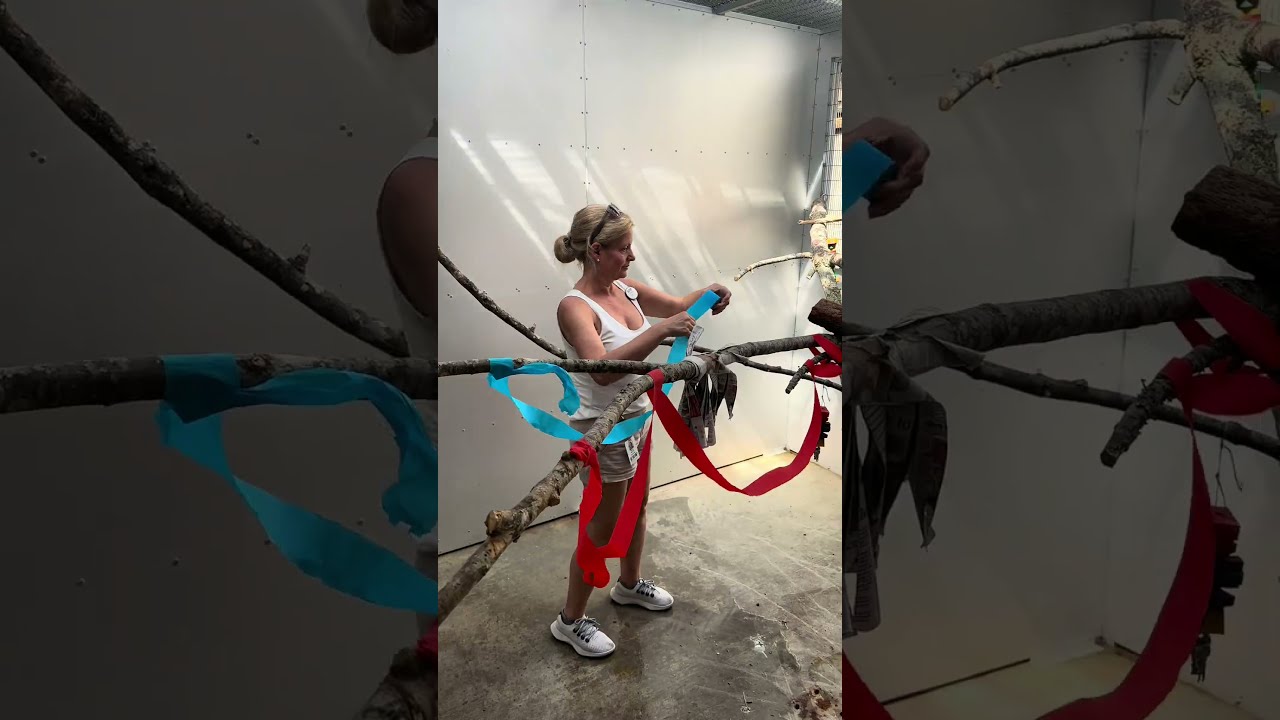
- The significance of National Keeper Week and its role in raising awareness about animal care and conservation efforts.
- A detailed look at the Audubon Nature Institute’s Leadership Team experience as they participated in keeper activities.
- Insights into the training and responsibilities of zoo keepers and their critical role in wildlife conservation.
- The importance of teamwork and communication within a zoo setting.
- Reflections on future initiatives and the ongoing commitment to animal welfare and public education.
National Keeper Week serves as a vital opportunity for institutions and the public to recognize the indispensable work of animal care professionals. This annual celebration highlights the dedication of zoo keepers who possess specialized skills and knowledge necessary for the care of diverse wildlife species. With a focus on education, conservation, and research, National Keeper Week aims to bring attention to the challenges faced by these professionals. The Audubon Nature Institute recently showcased this commitment by inviting its Leadership Team to step into the shoes of their animal keepers. This initiative not only humanized the experiences of keepers but also provided a glimpse into the daily responsibilities that demand both physical and emotional stamina.
During the Audubon Nature Institute’s initiative, Leadership Team members assumed the various responsibilities of animal keepers for a day. This immersive experience offered them firsthand insights into the rigorous daily routines and challenges of caring for wildlife. From preparing diets to ensuring that the animals were healthy and engaged, the team’s participation underscored the importance of a deep understanding of animal behavior and habitat needs. Each activity required an appreciation for the ecological and biological aspects involved in animal care.
For instance, keepers carefully prepare diets that mimic the natural feeding patterns of the animals in their care. This task demands an in-depth understanding of the nutritional needs specific to each species. Animal keepers often consult veterinary nutritionists to design suitable meal plans while also tailoring them to cater to the individual appetites of animals. The Leadership Team learned that preparation involves not just food procurement, but also evaluating food safety, presentation, and ensuring the animals’ preferences are accounted for. Such diligence plays a crucial role in maintaining animal health and well-being.
In addition to dietary prep, the Leadership Team engaged in habitat cleaning and enrichment activities. These tasks are vital for both the physical health and psychological well-being of the animals. Both indoor and outdoor enclosures must be cleaned regularly to prevent disease and provide a hygienic environment. Furthermore, enrichment activities are essential for stimulating the animals’ natural behaviors. Keepers utilize a variety of tools and techniques, such as puzzle feeders, scents, and various types of toys, aimed at encouraging exploration and interaction. This provision of environmental enrichment is a critical component of humane animal care, as it significantly affects the animals’ quality of life.
Beyond the tangible tasks, the emotional demands of being an animal keeper are substantial. These professionals often develop strong bonds with the animals they care for, which can bring immense joy along with the stress associated with animal health issues. The Leadership Team observed the commitment keepers have towards the animals, showcasing the resilience and compassion that characterize this field. They learned that empathy and emotional intelligence are just as important as technical proficiency in ensuring the welfare of the animals.
As important as individual roles are, teamwork and communication remain essential for the effective operation of any zoo. The Leadership Team experienced the interconnectedness of various departments and the significance of collaboration in fulfilling their mission. Each staff member plays a role that supports overall animal welfare. From veterinarians to volunteers, all contribute to a cohesive effort towards a common goal. Regular meetings and training sessions facilitate smooth communication, allowing staff to address any challenges and keep everyone aligned with animal care standards and protocols.
The Audubon Nature Institute recognizes the need to continually improve the skills and knowledge of its staff. Ongoing professional development is critical to maintaining the highest standards of animal management. Workshops and training sessions are integrated into routine operations, focusing on areas such as animal behavior, habitat management, and emergency response. This commitment to continuous education not only enhances the team’s skill sets but also increases their adaptability to the varying needs of wildlife. As seen from National Keeper Week activities, investing in staff development reflects a broader commitment to animal welfare and conservation.
Looking beyond the immediate experiences, the Leadership Team engaged in discussions on future initiatives that would enhance the welfare of the animals and elevate public awareness about conservation. Several campaigns to deepen community engagement were proposed, highlighting the benefits of educational programs, volunteer opportunities, and interactive exhibits. The institute aims to serve as a resource for the public, shedding light on pressing conservation issues that affect wildlife globally.
The importance of connection and education cannot be overstated. Zoos have always played a vital role in conserving species, many of which face threats from habitat loss, poaching, and climate change. Engaging the community through programs that emphasize the importance of biodiversity helps foster an understanding of our shared responsibility to protect wildlife. The initiatives led by the Audubon Nature Institute exemplify how zoos can contribute to global conservation efforts while also inspiring the next generation of environmental stewards.
National Keeper Week, therefore, not only serves to honor animal keepers but also to spotlight the complex and impactful role zoos play in wildlife conservation. The leadership experience allowed members to appreciate the nuances of animal care, the importance of teamwork, and ongoing commitment necessary for effective wildlife management.
Furthermore, the takeaways from this initiative extend into broader conservation conversations. By experiencing the daily tasks and emotional investment of keepers, the Leadership Team could advocate more effectively for zoo-based initiatives. They recognized the value of promoting policies that support animal welfare, sustainable practices, and habitat conservation.
In summary, experiences such as those offered during National Keeper Week at the Audubon Nature Institute can serve as transformative learning opportunities. The insights gained deepen the understanding of zoo operations while leading to greater community engagement and support for conservation efforts. By fostering a culture of respect, compassion, and education, zoos can continue to play a pivotal role in addressing the myriad challenges facing wildlife today.
In light of this commitment, the Audubon Nature Institute and similar organizations set a powerful example. By walking in the shoes of their keepers, the Leadership Team not only elevated their appreciation for animal care but also laid the groundwork for positive future initiatives aimed at wildlife conservation. The synergy created between these experiences and the mission of the institution paves the way for ongoing advancements in educational outreach and animal welfare. The continuous journey of respect and understanding within the framework of zoological institutions is vital as we collectively work towards a future where both communities and wildlife flourish.
*****
Source Description
From cleaning and enrichment to feeding, training, keeper chats, and daily husbandry, they got a firsthand look at the dedication and hard work that goes into being a zookeeper. #animalcare #zookeeper #zoo #neworleans #aquarium
