
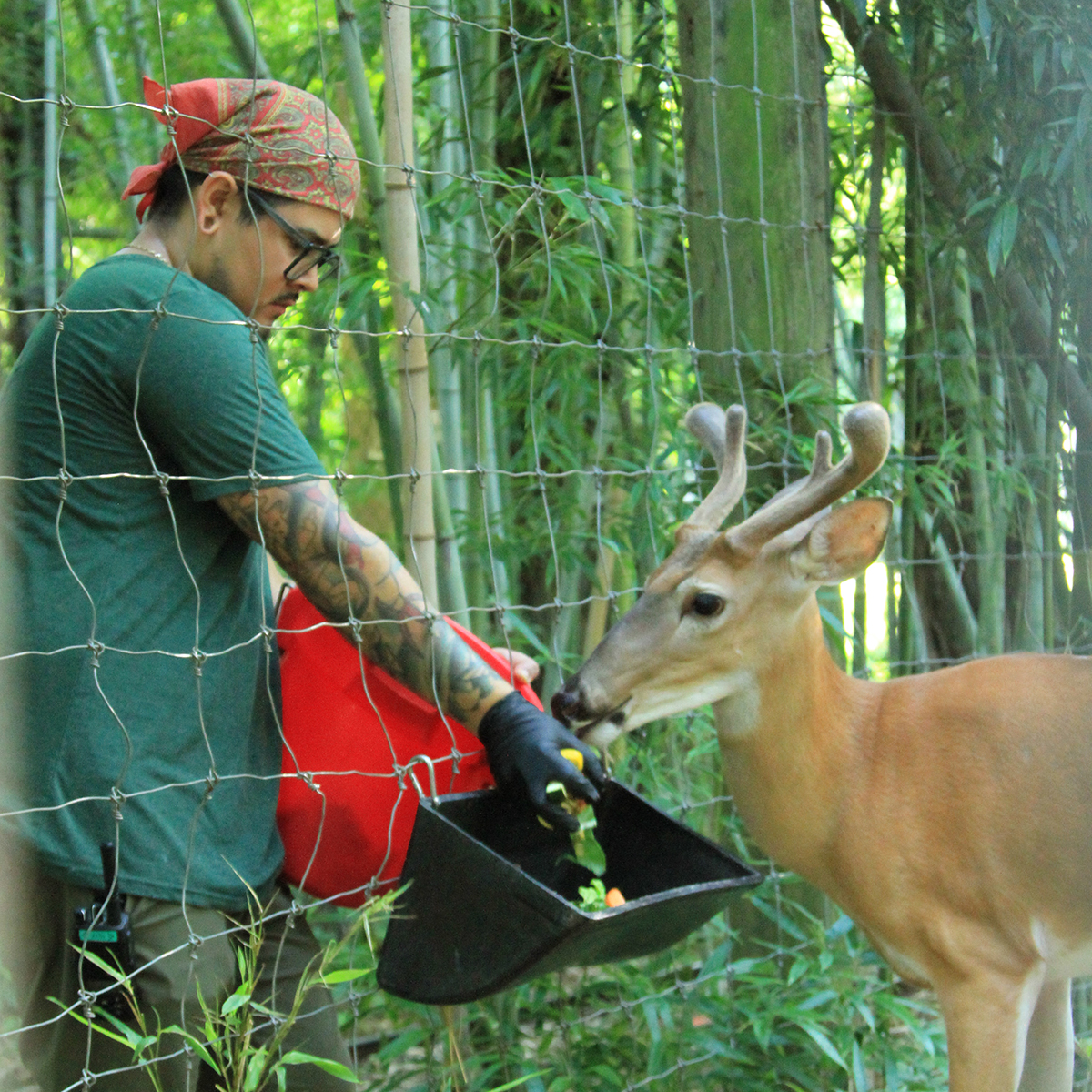
- Understanding the nutritional needs of white-tailed deer
- The role of zookeepers in animal care and trust-building
- Dietary diversity and its importance for animal health
- Monitoring animal welfare through feeding interactions
- The impact of feeding practices on wildlife conservation
The white-tailed deer (Odocoileus virginianus) is one of North America’s most iconic wildlife species. Found across various habitats, from forests to grasslands, these deer are not only essential for their ecosystems but also serve as a focal point for conservation efforts. Proper nutrition is key to their health in captivity, which is why zookeepers dedicate significant time and resources to curating their diets.
Understanding the nutritional needs of white-tailed deer takes extensive research. These herbivores primarily thrive on a diet consisting of leaves, fruits, nuts, and grasses. However, their dietary needs can vary by age, season, and even geographical region. In captivity, their diet is carefully crafted to include the right balance of protein, vitamins, and minerals. This ensures that they receive adequate sustenance to maintain their health and vitality, especially during seasonal changes when their natural food sources might be limited.
Zookeepers have a vital role in the care of these animals. Every morning, they prepare fresh and healthy meals containing diverse food items like alfalfa, clover, and specially formulated pellets. The preparation of these meals involves careful consideration of each deer’s individual needs. Factors such as age, health status, and breeding condition are carefully assessed to provide an optimal diet. By fostering this attentive environment, keepers can create a bond of trust between themselves and the animals, which is crucial for successful animal care.
The connections formed during feeding times allow zookeepers to observe the deer closely. They monitor feeding behaviors to detect any changes in appetite or eating habits, signaling potential health issues. By averaging out daily food intake and noting preferences, keepers can adapt diets as necessary. This proactive approach not only enhances the deer’s quality of life but also aids in ensuring their welfare.
Dietary diversity is essential for the well-being of white-tailed deer, as different foods offer varying nutrient profiles. For instance, leafy greens provide fiber, while fruits may be calorie-dense, offering quick energy. Including a mix of these food options ensures that they can meet their nutritional requirements across different life stages. A monotonous diet could lead to deficiencies or other health concerns, demonstrating the importance of dietary variety in a captive setting.
The feeding interactions are vital for wildlife conservation efforts as well. By studying the dietary habits and preferences of white-tailed deer in captivity, researchers can garner insights applicable to wild populations. Understanding these needs can aid in habitat management and conservation strategies in the wild. Observations made by zookeepers can inform efforts to protect and restore these animals’ natural habitats, thereby promoting their survival and fostering ecological balance.
Furthermore, the importance of a well-rounded diet considers the psychological aspects of animal care. Animals confined to enclosures benefit emotionally from varied feeding routines, making meal times stimulating events. Zookeepers often engage the deer in activities that mimic foraging behaviors seen in the wild. By placing food in strategic locations or using enrichment devices, they encourage natural behaviors like browsing. This not only enhances the deer’s mental stimulation but also elevates overall well-being.
The significance of zookeeper interactions with white-tailed deer extends beyond nutrition. Regular contact allows for gradual habituation, which is particularly beneficial for both animal and keeper. When deer begin to trust their keepers, it enhances the overall management of the animals. Trust also facilitates health checks and necessary veterinary interventions, which are crucial for maintaining the animals’ well-being.
In the context of wildlife conservation, the information gathered from these interactions can play a pivotal role. The health of captive white-tailed deer can serve as an indicator of environmental conditions in their natural habitats. Understanding their dietary requirements in a confined setting allows professionals to make informed decisions about food sources and habitat integration for wild deer populations.
The work of zookeepers is also vital for educational outreach and fostering public understanding of white-tailed deer conservation. Feeding sessions often attract visitors, providing an opportunity to educate them about the species, its role in the ecosystem, and the challenges it faces. Through active engagement, the public is informed about habitat preservation and the importance of maintaining biodiversity, further supporting conservation initiatives.
Moreover, zookeepers contribute to breeding programs aimed at increasing genetic diversity among animal populations. White-tailed deer are sometimes part of Species Survival Plans (SSPs), which help ensure genetic health and resilience in the face of changing environmental conditions. Understanding and monitoring their diets is a critical aspect of these programs, influencing not just individual health but the long-term viability of populations.
Feeding practices offer invaluable data that can influence present and future conservation strategies. Many wildlife management organizations look to the successful practices observed in zoo environments. Implementing similar strategies in natural habitats can enhance the survival rates of wild populations. The effective combination of diet management, habitat rehabilitation, and public education lays the groundwork for sustainable wildlife populations.
Technological advancements also play a role in modern zookeeping and wildlife management. Data collection technologies enable more robust tracking of dietary intake, health status, and behavioral patterns. Each meal prepared for the white-tailed deer is accompanied by meticulous record-keeping. This allows for better understanding of nutritional impacts on health and behavior, leading to improved standards in zoos and wildlife reserves.
Staff education and training further underpin the successes seen in animal care. Zookeepers are trained in animal husbandry techniques, nutritional science, and veterinary practices. This multifaceted education equips them with knowledge and skills necessary for effective daily operations, contributing to successful care programs. Continuous training ensures that they are up-to-date with the latest scientific findings and best practices in animal care and conservation efforts.
Additionally, partnerships with educational institutions and research organizations facilitate a two-way knowledge exchange. Zookeepers often collaborate with scientists to study specific aspects of animal behavior, nutrition, and health. These research projects provide a practical platform to test hypotheses and gather data that can benefit wild populations.
The effort exerted by zookeepers in feeding white-tailed deer extends well beyond the mere act of nourishment. Each meal signifies a deep commitment to animal welfare, conservation science, and public education. By actively engaging with these animals, zookeepers promote healthier lives for the deer while simultaneously contributing to larger conservation objectives.
As we continue to learn more about the intricate needs of white-tailed deer and other wildlife species, the role of zookeepers remains crucial. Through careful attention to detail and a commitment to building trust, zookeepers help craft a future where wildlife and human communities thrive together. Their efforts inspire a collective movement aimed at realizing a world where wildlife conservation is central to human activity. Each meal served is a step toward achieving that vision, emphasizing the significance of informed animal care in supporting biodiversity and ecosystem health.
*****
Source Description
Watch as our zookeepers provide a fresh and healthy meal for our white-tailed deer! Their daily diet is carefully planned to meet all their nutritional needs. These interactions are not just about food; they also help build trust and allow keepers to closely monitor the well-being of our animals.
