
- Skip the hustle of Black Friday shopping and embrace a day in nature.
- Discover the fascinating animal species residing in Prospect Park Zoo.
- Understand the importance of wildlife conservation and its impact on local ecosystems.
- Learn about the zoo’s various exhibits and how they contribute to animal welfare.
- Create memorable family experiences while promoting a love for wildlife.
Skip the hustle of Black Friday shopping and embrace a day in nature at Prospect Park Zoo. Opting for a visit to this charming urban zoo provides a peaceful alternative to the chaotic scenes often found in shopping centers. In a world filled with constant noise and activity, spending the day in a natural setting offers a much-needed respite and allows for connection with both nature and animals. The zoo’s setting offers more than just visual delight; it serves as a vital educational resource for individuals and families alike, fostering an understanding and appreciation for wildlife.
When you step into the Prospect Park Zoo, you enter a space dedicated to promoting animal welfare and educating the public about various species. This educational focus is crucial in today’s context, where many people are disconnected from nature. One of the standout features of the zoo is its emphasis on unique animal exhibits, which are designed to replicate the animals’ natural habitats while providing a safe space for them to live and thrive.
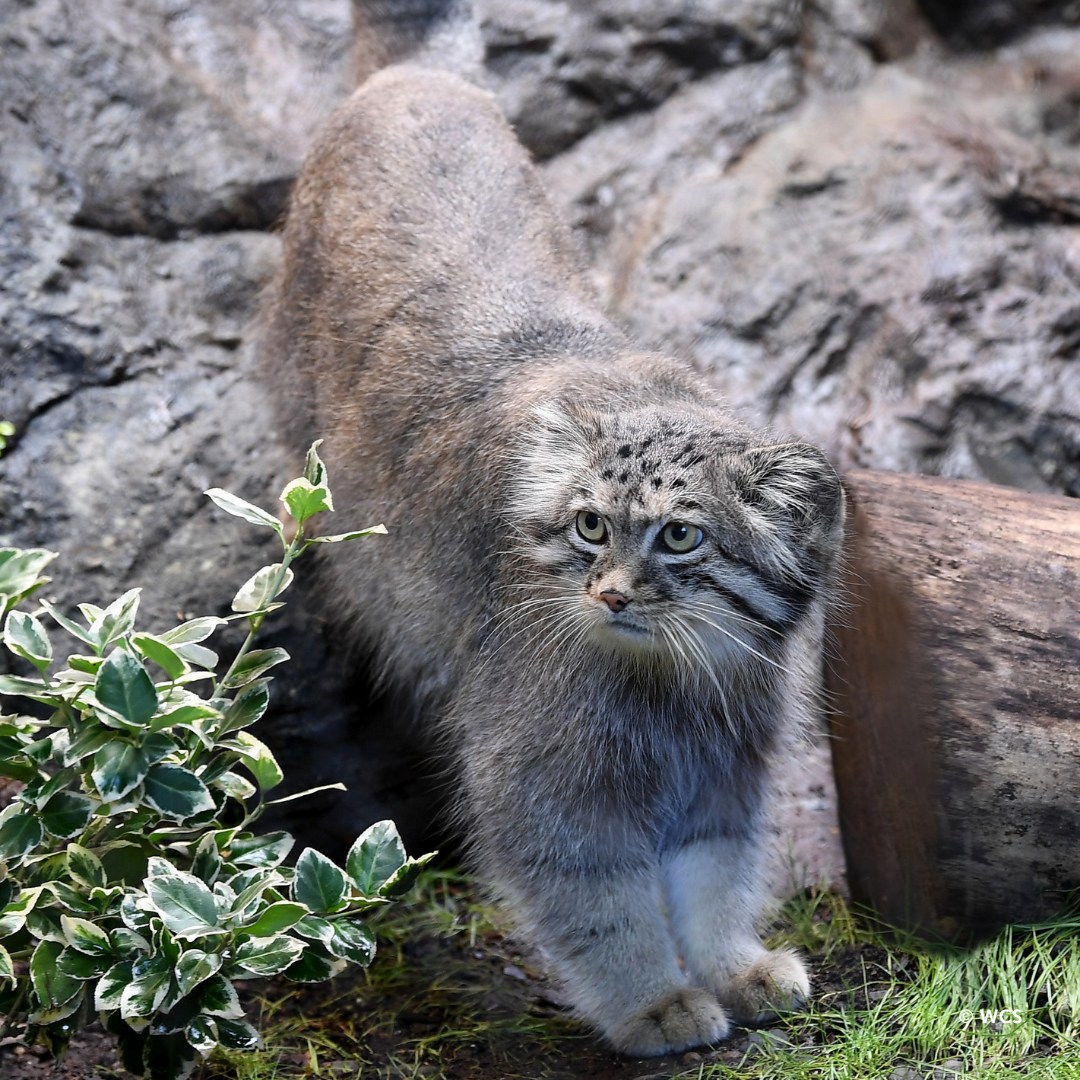
Visitors can encounter a variety of fascinating species, including Pallas’s cats, dwarf mongooses, and red pandas. Each species offers a glimpse into the intricate web of life that exists on our planet. Take Pallas’s cats, for example. They are small wild cats native to Central Asia. Their adaptations to harsh climates exhibit the remarkable ways animals have evolved over time. They possess a stocky build and thick fur to survive cold conditions. Educating visitors about such adaptations enhances the understanding of how vulnerable animal species can be in the face of climate change and habitat loss.
Another gem of the Prospect Park Zoo is the dwarf mongoose, known for its social behavior. In the wild, these creatures live in family groups, showcasing complex social dynamics. By observing their interactions, visitors gain insight into the importance of social structures within species and how such dynamics impact survival and reproduction. This kind of knowledge fosters a sense of responsibility towards preserving these species and their homes, as one learns about the intricate relationships that define ecosystems.
The red panda, a crowd favorite, is not just a cute addition to the zoo. Its plight serves as a poignant reminder of the struggles faced by many species today. Endemic to the eastern Himalayas and southwestern China, red pandas are classified as endangered due to habitat loss and poaching. Their showcasing in zoos is not merely for entertainment; it serves to raise awareness about conservation efforts aimed at protecting their populations. Visitors can learn about ongoing initiatives to preserve red panda habitats, which ultimately benefits the entire ecosystem they inhabit.
Wildlife conservation plays a pivotal role in the mission of the Prospect Park Zoo. By engaging with the animals on a personal level, visitors develop a connection that compels them to advocate for the protection of these species in their natural habitats. The zoo actively participates in various conservation programs designed to educate the public about the importance of biodiversity and ecosystem integrity. Through interactive exhibits and educational presentations, the zoo emphasizes the need to address the threats posed by human activities, such as deforestation, pollution, and climate change.
Each visit contributes not only to individual knowledge but also to collective awareness that plays a vital part in regional and global conservation strategies. The Prospect Park Zoo collaborates with wildlife organizations and research institutions to spearhead efforts aimed at protecting endangered species. This commitment to conservation translates into actionable strategies that significantly impact local ecosystems.
As visitors wander through the zoo, they will find engaging exhibits that allow for observational learning. These areas are not just captivating; they also serve as platforms for sharing knowledge about animal behavior and ecology. Interactive displays and educational signage offer insight into the lives of the animals on exhibit, detailing their diets, habitats, and conservation statuses. Knowledge dissemination serves as a tool to empower communities to partake actively in conservation efforts.
A visit to the Prospect Park Zoo is also an opportunity to instill a love of wildlife in future generations. Educational programs cater to children, engaging them in fun yet informative activities that emphasize the importance of animal stewardship. This hands-on approach nurtures a sense of responsibility towards caring for the environment and its inhabitants, fostering environmentally conscious future generations. Educational initiatives designed for schools often incorporate vital topics like food chains, ecosystems, and the effects of pollution on wildlife.
Each exhibit contributes to the overall mission of providing a safe and enriching environment for the animals. The design of animal habitats considers not only aesthetic appeal but also the individual needs of various species. Natural stimulation is vital for animal welfare. Enrichment activities are implemented within the zoo to provide animals with opportunities to exhibit natural behaviors, which is crucial for their psychological health. For instance, red pandas are given climbing structures and vegetation that mimic their natural habitats, allowing them to forage and explore.
Furthermore, the zoo is a critical resource for local community engagement. Families are encouraged to participate in various events that focus on sustainability, biodiversity, and wildlife conservation. Educational workshops and public programs create a dialogue between zoo staff and community members, reinforcing the idea that wildlife and humans coexist in mutually dependent ecosystems. By attending these events, visitors take tangible steps toward becoming responsible stewards of the environment.
The Prospect Park Zoo also employs modern conservation techniques that align with global efforts to combat the challenges facing wildlife today. The zoo participates in Species Survival Plans (SSPs) that work to maintain and grow endangered populations in managed settings. These plans are based on extensive research and data analysis, ensuring that breeding efforts are strategically implemented. Such meticulous planning not only improves genetic diversity within captive populations but also prepares species for possible future reintroductions into their natural habitats.
Collaborations with other zoos and wildlife organizations enhance these initiatives, making it possible to share information on best practices in animal care and conservation. This network of zoos works towards a common goal: preserving the world’s biodiversity for future generations. The significance of such partnerships underscores the vital role that modern zoos play in global wildlife conservation—a role often underestimated.
Visiting the Prospect Park Zoo serves more than a recreational purpose; it is an opportunity to bring awareness to ongoing conservation efforts while fostering a connection with the natural world. The zoo takes pride in creating an atmosphere conducive to learning and discovery while promoting respect for wildlife. In an age where consumerism often overshadows other values, the zoo stands as a sanctuary where the focus is on nurturing curiosity and respect for the environment.
Opting to spend Black Friday at the Prospect Park Zoo enriches the holiday experience, prioritizing meaningful interactions over material transactions. Moreover, it encourages individuals and families to contemplate their role in preserving wildlife while enjoying the day surrounded by beautiful landscapes and mesmerizing animals. Each visit not only enhances personal understanding but also sends a ripple effect to communities, making it clear that caring for wildlife is essential for maintaining biodiversity in our ecosystems.
Making a conscious choice to prioritize nature and wildlife can create lasting memories and instill a passion for animals. Whether watching the playful antics of dwarf mongooses or marveling at the grace of red pandas, moments spent at the zoo foster a fundamental appreciation for the complexities of wildlife. This connection can inspire future conservationists and animal advocates, ensuring that the stories of these remarkable creatures continue to resonate for years to come.
As you plan your alternative to Black Friday shopping, consider the enriching experience of visiting the Prospect Park Zoo. The opportunity to learn, engage, and enjoy nature can create cherished moments for you and your loved ones, a treasure far beyond any material purchase.
*****
Source Description
Skip the Black Friday lines and spend the day surrounded by nature at the Prospect Park Zoo! Wander through our exhibits and discover amazing animals including Pallas’s cats, dwarf mongooses, and red pandas. Choose a peaceful day in the heart of Brooklyn and create lasting memories with the animals you love.
