
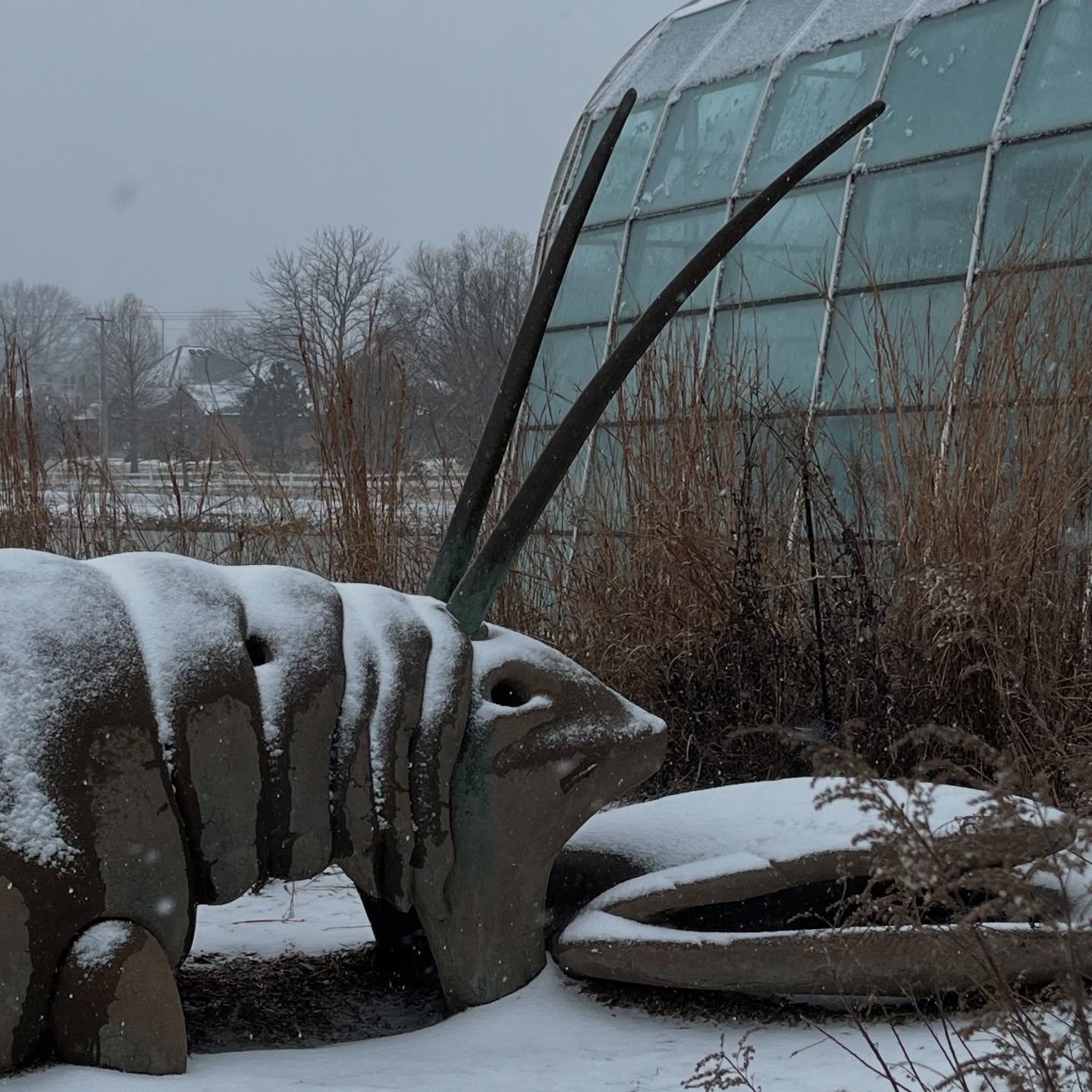
- The significance of weather considerations for wildlife institutions
- The operational impact of inclement weather on The Butterfly House
- Safety protocols for staff and volunteers during adverse weather
- The role of The Butterfly House in wildlife conservation and public education
- Visitor engagement and compliance guidelines during weather-related changes
Weather plays a critical role in the operations of wildlife facilities like The Butterfly House. When severe weather is projected, it triggers a series of adjustments aimed at ensuring the safety of both the staff and the visiting public. These considerations are particularly crucial for institutions housing delicate species, such as butterflies, which are sensitive to temperature fluctuations and environmental changes.
The forecasted inclement weather for Saturday, November 29, has compelled The Butterfly House to adjust its opening time to 11 a.m. Significant weather events, including storms or heavy precipitation, can pose risks. Delaying the opening can mitigate these risks by allowing time for conditions to stabilize, which is not only essential for staff and volunteers but also for the conservation efforts that The Butterfly House undertakes.
Operational changes during adverse weather conditions reflect best practices in zoo management. The decision to delay opening is based on various factors, including the safety of the staff, volunteers, and visitors alike. During harsh weather, the potential for accidents increases significantly. Moreover, access to the facility may be compromised, either due to flooding, slick road conditions, or debris. Such circumstances necessitate a vigilant approach to safety, underscoring the institution’s commitment to responsible management.
Staff and volunteers are at the forefront of ensuring that The Butterfly House continues to operate effectively under the pressures of inclement weather. During unfavorable conditions, staff members are trained to implement safety protocols. These procedures may include securing habitats, providing supplemental heat for sensitive species, and ensuring all emergency exits are accessible. Staff are also responsible for monitoring meteorological updates, allowing them to adjust their plans as needed. This kind of training and preparedness reflects a supportive structure designed to protect not just the surroundings but also the delicate lives housed within.
The Butterfly House plays a significant role in wildlife conservation. By providing a controlled environment where butterflies can thrive, it serves as a living laboratory. Here, researchers and conservationists can study butterfly behavior and breeding, which is essential for species preservation. Educational programs also play a pivotal role in this mission. These programs aim to enlighten visitors about the importance of butterflies in ecosystems, highlighting their role as pollinators and their contributions to biodiversity.
The institution dedicates itself to public education by hosting workshops and guided tours that focus on environmental stewardship. Through these initiatives, The Butterfly House fosters awareness of various ecological issues, including habitat loss and climate change impacts. The staff’s engagement with visitors serves to reinforce the ties between individual actions and broader environmental consequences. With ongoing education, the hope is that more people will take steps to protect habitats that butterflies and other wildlife depend on.
During weather-related operational changes, communication with the public becomes crucial. Visitors should be well-informed about modified opening hours and the reasons for them. This involves utilizing social media channels, email blasts, and onsite signage to convey timely updates. Clarity in communication can alleviate visitor frustration, which is essential for maintaining a loyal community. The Butterfly House recognizes that its visitors are partners in conservation and strives to keep them engaged even amidst challenging circumstances.
It is equally essential for visitors to respect any compliance guidelines issued during adverse weather conditions. Following these guidelines ensures that everyone remains safe while still being able to experience all The Butterfly House has to offer. For example, if the weather conditions require limited areas to be accessible, signage is placed accordingly. Compliance can also include following specific protocols, such as staying within designated paths to avoid hazards created by severe weather events.
In summary, The Butterfly House’s decision to open later due to the forecasted inclement weather on Saturday, November 29, speaks to its commitment to safety, operational efficacy, and wildlife conservation. The institution’s proactive measures not only protect its staff and visitors but also contribute to the ongoing education and advocacy for biodiversity. By maintaining clear communication and guidelines during inclement weather, The Butterfly House fosters a supportive environment for both its creatures and its community members.
These operational and safety measures reflect a broader understanding of the challenges faced by wildlife institutions. They serve as a reminder that weather conditions significantly impact our natural world. The Butterfly House exemplifies how to responsibly navigate these challenges while remaining focused on its mission to educate the public and aid in conservation efforts.
*****
Source Description
Due to the forecasted inclement weather on Sat, Nov 29: The Butterfly House will be opening at 11 a.m. for the safety of staff and volunteers.
📷: Paula Betz
