
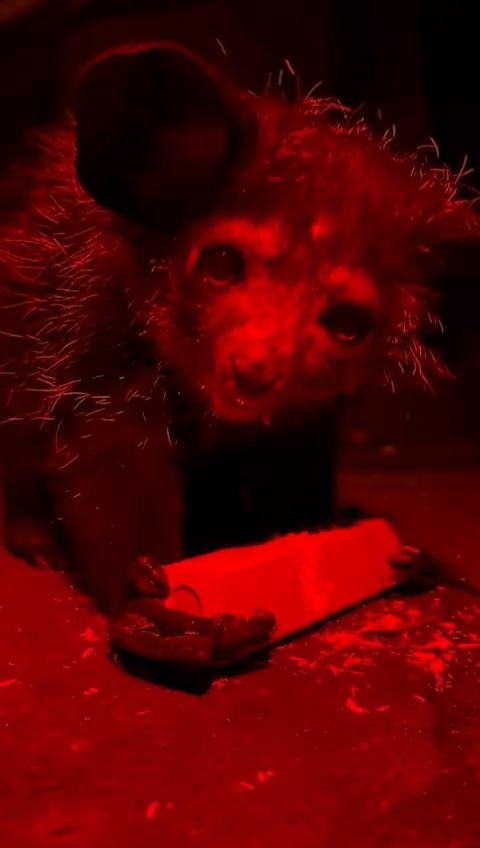
- The biology and behavior of aye-ayes
- The importance of enrichment activities
- The structure and function of bug blocks
- Wildlife conservation and habitat preservation
- Ethical concerns in zoo management
The aye-aye (Daubentonia madagascariensis) stands out due to its fascinating physical features and feeding behaviors. Native to Madagascar, this nocturnal lemur is easily recognized by its large eyes, long fingers, and a bushy tail. Aye-ayes have evolved specialized capabilities that aid their survival, primarily focusing on their unique method of foraging. These adaptations are not only interesting but also demonstrate the rich biodiversity of Madagascar’s ecosystem.
Aye-ayes are the world’s largest nocturnal primates. They have evolved to utilize their long, slender middle finger to tap on trees, which helps them locate insects hidden beneath the bark. Their keen sense of hearing allows them to discern which areas contain hollow spaces, indicating potential food sources. Once they identify a suitable spot, they use their impressive dexterity to extract the insects, which commonly include mealworms, crickets, and larvae. This intricate behavior signals the importance of preserving their natural habitat, as deforestation threatens their survival.
Enrichment activities play a crucial role in zoo management, particularly for species like the aye-aye. Enrichment refers to various strategies that aim to enhance the quality of life for animals in captivity. Specifically, it promotes natural behaviors and encourages mental stimulation. The concept is especially important for species with complex behavioral patterns, like the aye-aye. By simulating their wild environment as closely as possible, zoos can create a more engaging and healthful setting for the animals they care for.
In the case of the aye-aye, enrichment strategies such as the bug block provided by keepers serve multiple purposes. The bug block consists of wooden structures that are filled with various worms and crickets. This offering allows aye-ayes to engage in foraging behaviors that mirror their natural activities. As they probe the block with their specialized fingers, they exercise both their physical abilities and cognitive skills. This not only aids in their physical health but also helps alleviate stress, leading to a more balanced life in captivity.
The structure of a bug block is specifically designed to encourage exploration. Made from durable wood, it can withstand the ceaseless activity of aye-ayes as they interact with it. The various compartments within the block store different prey items, allowing the aye-aye to utilize its fingers to extract food. This mimicry of their natural feeding behavior is essential for maintaining their physical condition and preventing issues that may arise from inactivity.
Wildlife conservation efforts are critical for protecting species like the aye-aye. Their survival hinges not just on understanding their behaviors but also on larger environmental efforts. The tropical forests of Madagascar, where they reside, face significant threats from logging and agricultural expansion. Disturbance of their habitat affects their food sources and overall biodiversity. Conservation initiatives focused on habitat preservation are therefore vital. Many organizations work tirelessly to create protected areas that not only safeguard aye-ayes but also the myriad of species that coexist with them.
Effective conservation efforts also involve education and community engagement. Local communities often depend on the forests for their livelihoods. It is essential to raise awareness about the significance of preserving these habitats. Public education can foster a sense of stewardship, encouraging people to collaborate in conservation initiatives. Informing communities about the ecological value of local wildlife ensures a collective effort in protecting the aye-aye and its environment.
Ethical considerations in zoo management are also a significant factor in the discussion surrounding aye-ayes and other wildlife. While zoos play an essential role in conservation and education, they must also adhere to ethical standards regarding animal welfare. Providing an enriching environment is not merely beneficial but essential for animals in captivity. It is important for zoo staff to continually assess the conditions in which animals live, ensuring that every aspect of their environment contributes positively to their well-being.
Regular evaluations of enrichment devices, like the bug block, help staff ensure that they meet the animals’ needs. Such practices prevent issues related to boredom or stress that can arise in captive settings. Ethical zoo management necessitates ongoing research and adaptation. Engaging in practices that focus on the animals’ overall quality of life is critical.
It’s important to recognize that the unique adaptations of the aye-aye are not just biological curiosities but are essential for understanding the interconnectedness of ecosystems. The specific way in which aye-ayes forage for food impacts both their immediate environment and the larger ecological framework. By serving as insectivores, they help control insect populations, ultimately benefiting their habitat.
Research into the aye-aye’s behaviors contributes significantly to broader studies on primate evolution and adaptation. Understanding how this species has evolved to occupy its niche helps scientists learn more about adaptive traits in other species. Consequently, studying aye-ayes can provide valuable insights into biodiversity conservation and the roles different species play within their ecosystems.
In addition to habitat protection, captive breeding programs are essential for the survival of the aye-aye. Efforts that aim to increase the population in controlled environments act as a safeguard against extinction. By closely monitoring genetic diversity and health within these programs, conservationists can ensure a sustainable future for the species.
The collaboration between zoos, researchers, and conservation organizations is vital for the success of such initiatives. Working together allows for the sharing of resources, knowledge, and expertise, driving forward conservation efforts not just for aye-ayes but for numerous threatened species globally.
The plight of the aye-aye serves as a case study for broader conservation challenges. Contemporary biodiversity crises require an integrated approach that addresses ecological, social, and economic dimensions. Species conservation is not solely about protecting animals; it involves understanding human impacts and finding solutions that benefit both wildlife and people.
The bug block provided by zoo keepers is more than just a feeding device. It symbolizes a commitment to creating environments that foster natural behaviors, support mental stimulation, and enhance well-being for aye-ayes. By emphasizing enrichment strategies, zoos can play a pivotal role in the conservation story of this remarkable species.
Zoo visitors often leave with a deeper understanding of aye-ayes and the interconnected web of life in Madagascar. Just as the aye-aye searches for hidden food, people can uncover the complexities of conservation and biodiversity through education and engagement. By fostering curiosity and respect for wildlife, future generations can be inspired to take action towards protecting the planet’s invaluable ecosystems.
Through initiatives at zoos and conservation organizations focused on aye-ayes, there is hope that this fascinating species will thrive. Enhanced understanding, ethical management, and community involvement can create a more sustainable future, not only for aye-ayes but for all species facing challenges in an increasingly human-dominated world. The lessons learned through the study and care of the aye-aye may resonate far beyond Madagascar, carefully guiding global conservation efforts toward more cohesive and effective strategies.
*****
Source Description
In this video, you can see one of our aye-ayes using a bug block provided by our keepers.
Bug blocks are wood enrichment items that our keepers fill with mealworms, wax worms, super worms, and crickets that encourage natural foraging behaviors. Aye-ayes use their specialized fingers and keen senses to tap, probe, and extract food, just like they would in the wild. Enrichment like this helps keep them mentally stimulated and physically active.
🎥: Keeper Brooke
