
- The ecological significance of mixed species habitats
- Behavioral interactions between giraffes and zebras
- Benefits of cohabitation for zoo animals
- Conservation implications of mixed species environments
- Role of zoos in promoting educational outreach and awareness
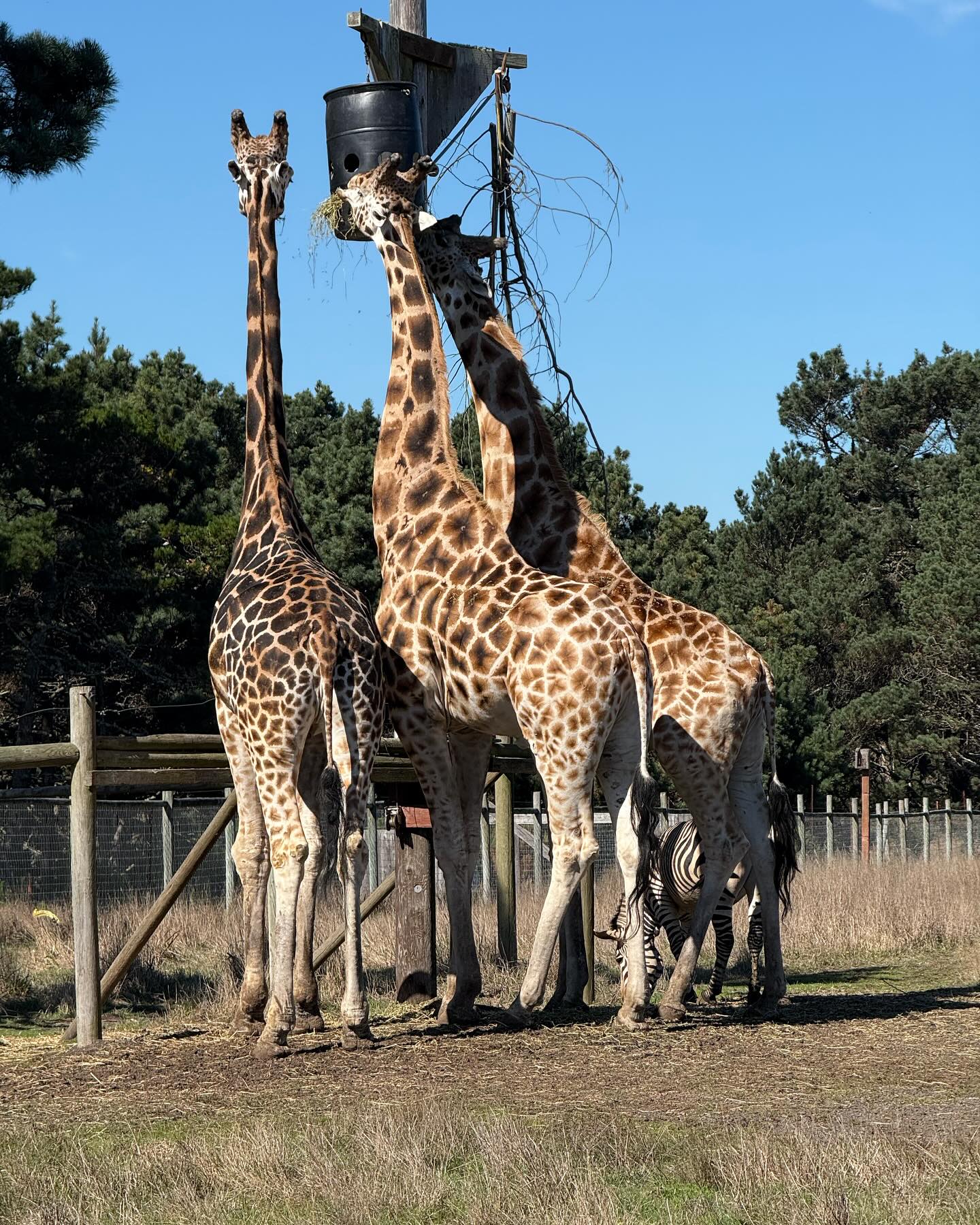
The idea of having a zebra buddy like Ziggy interact with giraffes in a mixed species pasture provides a fascinating glimpse into animal behavior and ecological health. This practice mirrors natural habitats, allowing animals that would ordinarily coexist in the wild to engage and interact, enriching their lives in captivity. Such interactions can be observed in various zoological settings, offering insights into the interconnectedness of different species.
In the wild, giraffes and zebras often inhabit similar environments, particularly in the savannahs of Africa. This ecological overlap allows them to share resources such as grazing areas and water sources. By setting up a mixed species habitat in a zoo, the environments become more realistic and enable animals to display behaviors consistent with their natural instincts. Ziggy, the zebra, displaying behaviors such as picking up fallen leaves and hay from the giraffes, showcases not only social interactions but also aspects of foraging behavior, a vital skill for animals in the wild.
Studying the interactions between zebras and giraffes further enriches our understanding of animal behavior. Giraffes are browsers, feeding primarily on the leaves of trees, while zebras are grazers, preferring grasses. This dietary distinction allows minimal competition for food resources, enabling a peaceful coexistence. Observing how Ziggy and the giraffe boys communicate through body language and social cues demonstrates the importance of social structures within species. Giraffes, known for their slow and deliberate movements, contrast with the more energetic demeanor of zebras. Such dynamics illustrate the complexity of animal relationships and the subtleties of cooperative behavior.
Cohabitation in mixed species settings benefits zoo animals in numerous ways. It provides environmental enrichment, which plays a critical role in the psychological well-being of animals. For instance, animals engaged in interaction are more likely to exhibit natural behaviors compared to those housed in single species enclosures. Behavioral enrichment keeps animals mentally stimulated and reduces the incidence of boredom-related behaviors, such as pacing. The diverse stimuli from neighboring species create an environment where animals can engage in exploration, socialization, and play, all crucial components of their development.
Additionally, mixed species pastures can help animals develop survival skills that they may not otherwise practice in isolation. For example, the presence of a zebra like Ziggy allows giraffes to display vigilance behaviors. Giraffes are naturally adapted to be observant of threats in their environments, and having other species around can enhance their alertness and awareness. This interaction forms a social network, where zebras can alert giraffes to potential danger, thus reinforcing their survival instincts.
From a conservation standpoint, mixed species environments hold significant promise. Creating habitats that mimic natural ecosystems aids in educating the public about the importance of biodiversity and species conservation. By showcasing animals that interact harmoniously, zoos can convey critical messages about ecological balance and the vital roles different species play within an ecosystem. Such educational initiatives foster a deeper understanding of wildlife conservation issues and encourage public engagement in preservation efforts.
In an increasingly urbanized world, the challenges of habitat loss and climate change impact animal populations gravely. Zoos serve as sanctuaries, enabling breeding programs and habitat revitalization initiatives. By highlighting the interactions between species, facilities can spark interest in conservation efforts, encouraging patrons to advocate for protecting natural habitats. Educational outreach efforts increase awareness about the plight of wildlife, fostering a sense of responsibility to preserve their environments.
The integration of animal behavior studies into zoo management models enhances the experience for both animals and visitors. Animals like Ziggy and the giraffes serve as ambassadors for their species, demonstrating social interactions that underline the importance of cooperation in nature. Staff members can observe feeding patterns, social hierarchies, and even play behaviors as they care for these animals. Each interaction forms a learning opportunity about species interactions, reinforcing the need for responsible stewardship of the environment.
Zoos also play a critical role in supporting research and fostering partnerships with conservation organizations. Studies looking at the dynamics of mixed species habitats may lead to better strategies for wildlife preservation in the wild. Knowledge gained through these interactions can inform habitat restoration projects, breeding programs, and reintroduction efforts into natural environments.
As the world becomes more aware of the ecological significance of mixed species pastures, studies into animal behaviors will be crucial in shaping effective management practices. The more we learn about how animals interact within shared spaces, the better equipped we will be to design habitats that meet their needs. Mixed species interactions do not merely create visually impressive exhibits; they enrich the lives of animals and promote awareness about biodiversity.
Educators at zoos can leverage daily interactions such as Ziggy picking up the giraffes’ dropped leaves to emphasize the interconnectedness of life forms. This observation can lead to discussions about the ecosystems in which these animals thrive, the importance of biodiversity, and how humans can impact these delicate systems. Engaging visitors in such observations encourages them to become advocates for wildlife conservation.
With advancing research in animal behavior and conservation science, mixed species exhibits will likely become a standard practice in zoos committed to progressive animal care. Continuous evaluation of species interactions, habitat design, and visitor engagement strategies will further promote the welfare of zoo inhabitants. The ability to witness the cooperative behavior between Ziggy and the giraffe boys highlights the complex interrelations among species, an important consideration for improving animal management practices.
Ecological education through zoos is imperative for future conservation efforts. By showcasing dynamic interactions in mixed species settings, these institutions can foster a greater appreciation and understanding of wildlife. Observational learning can motivate visitors to make more informed choices that benefit animals in the wild and promote habitat preservation.
Ziggy’s role in the mixed species pasture not only adds charm to the exhibit but serves as a reminder of the rich tapestry of life existing in nature. The integrated habitats highlight essential ecological principles that encourage both species to thrive in shared spaces. As zoos continue to develop innovative approaches to animal care and visitor engagement, the insights gained from studying animals like Ziggy and the giraffe boys will be invaluable.
Through education, observation, and public engagement, zoos worldwide can communicate vital conservation messages. As visitors learn about the interconnected behaviors of different species, a greater understanding emerges regarding the impact humans have on the environment. The performances of Ziggy and the giraffe boys can inspire new generations of conservationists, driving home the importance of maintaining biodiversity and protecting natural habitats for all creatures.
Educational initiatives support not just the animals in zoos but also the ecosystems they represent. By focusing on cooperative behaviors and interactions, zoos can cultivate an environment that prioritizes the health and welfare of both animals and their habitats, inspiring advocacy and stewardship for the natural world.
*****
Source Description
If you look closely you can see a zebra buddy hanging with our giraffe boys! 😂 One of the amazing things about having a mixed species pasture is seeing animals that would interact in the wild, naturally interact together ❤️ Ziggy was picking up the leaves and hay that the giraffe boys were dropping!
