
- Baby giraffe anatomy and early-life development shape how calves stand, nurse, move, and survive in the wild.
- Baby giraffe behavior includes rapid learning, strong mother-calf bonds, and dependence on herd protection during the first months.
- Baby giraffe care in zoos requires careful feeding, monitoring, social management, and veterinary oversight.
- Baby giraffe conservation depends on habitat protection, population monitoring, and responsible wildlife management.
- Baby giraffe and Baby Giraffe media content can raise public interest, but accurate interpretation matters for education and conservation.
Baby giraffe is a phrase that draws attention because giraffe calves are striking from the moment they are born. A newborn giraffe already has long legs, a patterned coat, and a body plan built for rapid growth. Yet the calf starts life in a fragile state. It must stand soon after birth, nurse quickly, and learn to stay close to its mother. That early period is central to survival. It also offers a clear view into giraffe biology, social behavior, and the practical demands of care in managed settings.
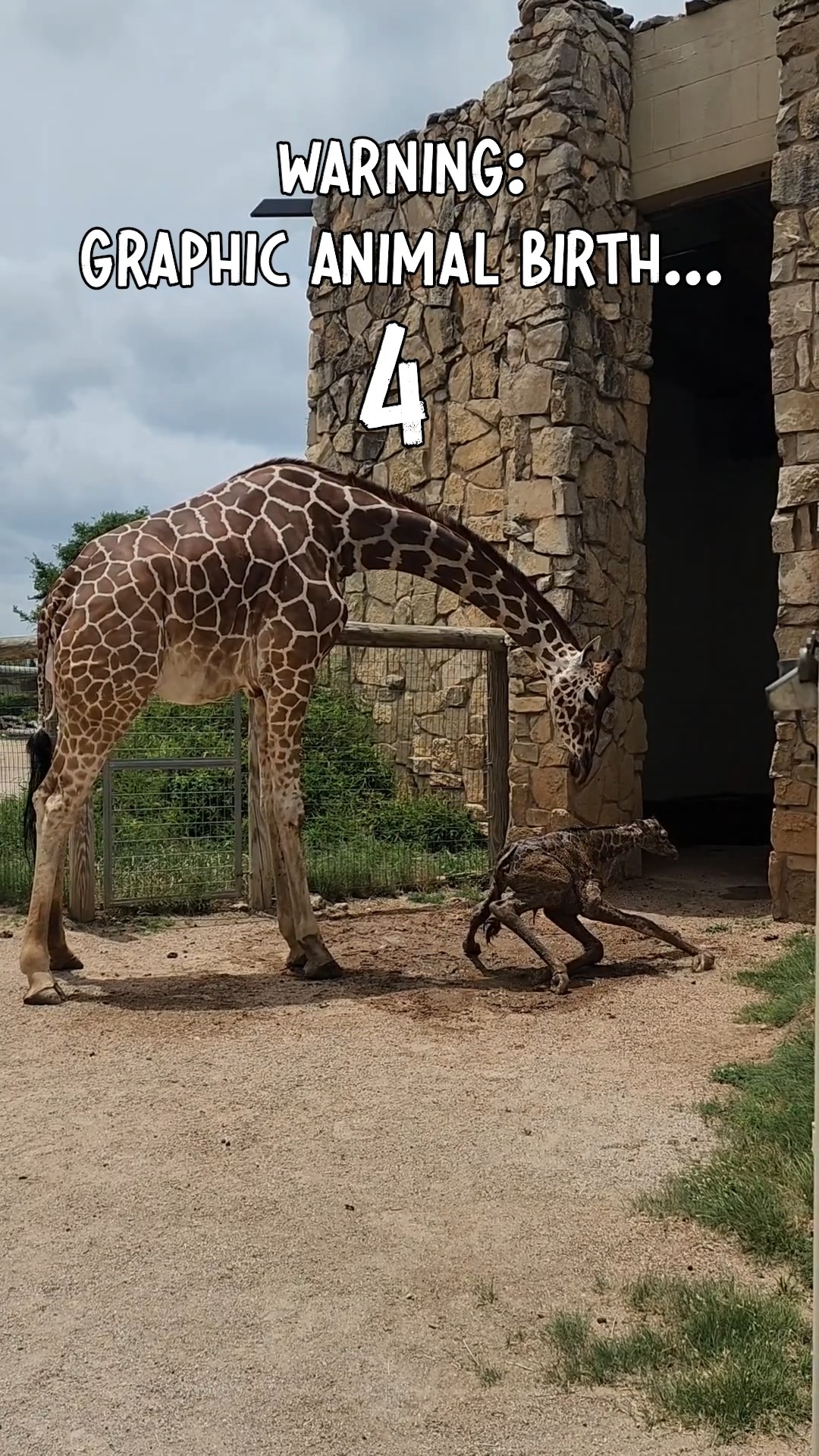
A baby giraffe is usually born after a gestation period of about 14 to 15 months. The calf enters the world after a standing birth. The mother delivers while standing, and the newborn drops to the ground. This fall helps break the umbilical cord and stimulates breathing. It may sound severe, but giraffe calves are adapted for it. A healthy newborn can often stand within the first hour of life and begin nursing soon after. That speed matters. In open habitats, a calf that remains immobile for long can become vulnerable to predators.
At birth, a calf typically weighs around 100 to 150 pounds, depending on the species and the mother’s condition. Height at birth is already impressive. A newborn can reach about 6 feet tall. This does not mean it is fully developed. The body is still immature. Muscles, coordination, and immune defenses continue to develop after birth. Colostrum, the first milk produced by the mother, provides crucial antibodies. It supports early immunity at a time when the calf is highly dependent on maternal care.
The physical structure of a baby giraffe reflects the species’ evolutionary history. Giraffes have elongated limbs, long necks, and specialized circulatory adaptations. A calf is born with the same general proportions as an adult, though the neck is shorter relative to the body than many people expect. Ossicones, the horn-like structures on the head, are present at birth but lie flat under the skin. They become more visible and firm with age. The coat pattern is already established and varies among individuals. These patches aid visual identification and may play a role in heat exchange, although that function is still discussed in terms of physiology rather than certainty.
A baby giraffe must learn locomotion fast. Early walking is awkward at first, but improvement comes quickly. The calf begins by taking short, unsteady steps. Within days, it can keep pace with the mother for short periods. This rapid motor development is important for movement through grassland and open woodland. Giraffe calves do not hide in dens or nests. They rely on mobility, maternal defense, and herd vigilance. That strategy shapes every part of early development.
Mother-calf bonding is strong in giraffes. The mother stays close, guards the calf, and allows nursing several times a day. Nursing bouts are relatively brief but frequent. The calf may continue nursing for many months, sometimes approaching a year or longer depending on habitat, nutrition, and social conditions. As the calf grows, it begins to sample leaves and other vegetation. However, milk remains a major source of nutrition during the first phase of life. This transition from milk to browsing is gradual. It supports digestive development and learning of food selection.
Social behavior is a major feature of giraffe development. Calves often live in a loose nursery group with other young giraffes and several adult females. These groups can function as a protective system. One adult may watch while others feed or move. This reduces the risk to any one calf. In zoological settings, keepers use this social pattern to guide herd management. Young giraffes may be housed with compatible adults or juveniles so they can learn species-specific behavior. Poor social grouping can disrupt development and increase stress.
Predation pressure has shaped giraffe calf survival strategies. Lions are the main natural predator of giraffes in many African ecosystems, especially for calves. Hyenas, leopards, and wild dogs can also pose a threat, depending on location and age of the calf. Survival rates are influenced by habitat quality, rainfall, herd composition, and predator density. Calves do not have a high survival rate in all settings, which is one reason reproductive success matters so much for population stability. Even in protected areas, young mortality can be significant.
The digestive system of a baby giraffe develops alongside behavior. Like adult giraffes, calves are ruminants. They depend on microbial fermentation in a multi-chambered stomach system. At first, milk digestion dominates. As the calf starts browsing, rumen function expands. The calf learns what plants to eat by observing the mother and nearby herd members. This social learning is important. Juveniles must recognize suitable browse, avoid toxic plants, and adapt to seasonal changes in forage availability. In dry seasons, giraffes may face food stress, so early learning has long-term value.
Baby Giraffe is also a term often used in zoo education, social media, and public outreach. That attention can be useful if it leads people to learn about giraffe biology and conservation. It can also distort understanding if the content focuses only on appearance. A baby giraffe is not just a visually appealing animal. It is a developing mammal with specific needs. When zoos present calves to the public, they can teach visitors about birth, growth, nutrition, social structure, and the pressures wild giraffes face from habitat loss and fragmentation.
Zoo management of a baby giraffe requires planning before birth. Facilities monitor the pregnant female for body condition, movement, appetite, and behavior. Giraffe births are often managed in spaces that allow privacy, safety, and staff access. After birth, keepers watch for standing ability, nursing, breathing, and bonding. Veterinary teams may perform early checks if needed, but excessive interference can stress the mother and calf. Good management balances observation with restraint. That approach supports normal maternal care while allowing intervention if the calf shows weakness or poor nursing.
Nutrition in managed care is a serious concern. Giraffes are browsers, not grazers. They need leaves, browse, pellets formulated for giraffes or browsers, and access to fresh water. Diet must support growth without causing digestive upset. Young calves need milk from the mother when possible. If hand-rearing becomes necessary, staff must use species-appropriate formulas and feeding schedules. Hand-rearing can save a calf, but it may also affect social development. For that reason, it is used only when natural rearing fails or the calf is at risk.
Veterinary care for giraffe calves includes monitoring weight, hydration, fecal output, and limb development. Rapid growth can reveal orthopedic problems if diet or flooring is poor. Hoof condition matters as well. Giraffes are heavy animals with specialized leg structure. A calf that grows too slowly or too quickly may face health issues later. Blood work can help track protein status, hydration, and overall health. Vaccination, parasite control, and disease prevention also play a role, depending on facility protocols and regional risk.
Public education about baby giraffe should include conservation context. Giraffe populations have declined in parts of Africa over recent decades because of habitat loss, land conversion, poaching, civil instability, and human-wildlife conflict. Several giraffe populations are stable or locally increasing, but the species group as a whole needs ongoing monitoring. Conservation work includes habitat protection, corridor planning, anti-poaching measures, community engagement, and research on population genetics and movement. A baby giraffe represents future population potential, so calf survival has direct conservation value.
Population genetics matters because giraffes are not a single uniform group. Researchers now recognize multiple giraffe species based on genetic and geographic data. That affects conservation planning. Protecting one population does not automatically protect another. Calf survival in each group contributes to the persistence of its specific lineage. This is one reason accurate taxonomy and field research matter. Conservation decisions depend on sound biological data, not on visual impressions alone.
Human activity affects baby giraffe survival in both wild and managed settings. In the wild, fragmented habitat can force mothers and calves into smaller, less secure areas. In zoos, poor enclosure design can limit movement, reduce browse access, or increase stress. Good husbandry and good conservation share common principles. They require space, appropriate diet, social compatibility, preventive health care, and respect for species behavior. A baby giraffe thrives when these needs are met early.
The term Baby Giraffe often appears in short video clips and image posts because calves are photogenic and emotionally engaging. That can be useful for outreach if it leads viewers to ask deeper questions. How long do giraffes nurse? How does a calf avoid predators? Why are giraffe populations changing? What does proper zoo care involve? Those questions move attention from spectacle to science. They also help connect public interest with conservation action.
A baby giraffe grows quickly during the first year. Height, weight, coordination, and browsing skill all increase at a fast pace. The calf becomes more independent, but it remains socially connected to the herd. The mother still influences movement and feeding choices. Over time, the juvenile’s body proportions shift toward the adult form. Legs become even more powerful, the neck lengthens, and the animal gains the endurance needed for long-range browsing and social movement.
Studying baby giraffe provides insight into mammalian development, predator avoidance, maternal investment, and herbivore ecology. It also shows how conservation and animal care overlap. A healthy calf depends on good nutrition, stable social conditions, and safe habitat. In the wild, those factors depend on functioning ecosystems. In zoos, they depend on knowledgeable management and trained staff. Baby giraffe is a small window into a much larger scientific story, one that links birth, growth, survival, and conservation in a single species.
*****
Source Description
Baby Giraffe
