
- The significance of The Simmons Aviary in wildlife conservation efforts
- Overview of avian species featured in The Simmons Aviary
- Insights into habitat construction and visitor experience
- The role of zoos in education and public engagement
- Planning your visit to maximize birding opportunities
The Simmons Aviary has garnered attention for its commitment to wildlife conservation and education. This beloved exhibit not only serves as a habitat for various bird species but also plays a crucial role in raising awareness about the importance of avian biodiversity. After recent habitat renovations, The Simmons Aviary is set to welcome visitors once again, providing an excellent opportunity to reconnect with favorite feathered residents.
Bird conservation is increasingly urgent due to habitat loss, climate change, and other anthropogenic pressures. The Simmons Aviary exemplifies how zoos can contribute to global conservation efforts. Many bird species are at risk, making the preservation of their habitats vital for their survival. The creation of dedicated spaces allows for meaningful interactions and fosters a deeper understanding of avian needs. The Aviary’s rehabilitation efforts are integral to these initiatives, ensuring that critically endangered species receive the attention and care they need.
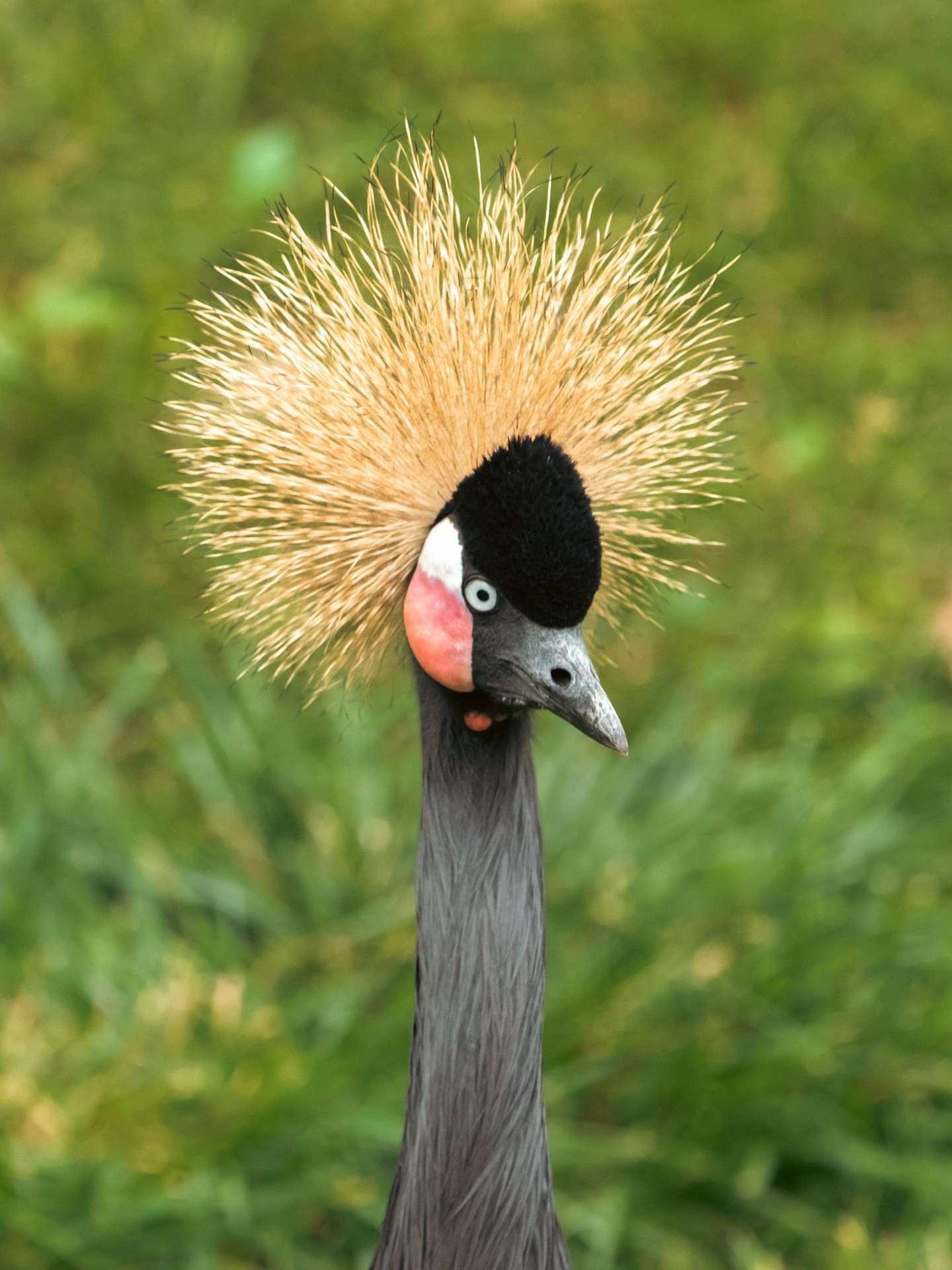
In addition to its conservation work, The Simmons Aviary features a diverse array of bird species. Among the inhabitants are vibrant macaws, exotic toucans, and songbirds that represent various ecosystems from around the globe. Each species plays a specific role in its environment, and the Aviary highlights these relationships, showcasing the importance of preserving both avian and plant life. Visitors will have the chance to observe these birds in carefully curated habitats that mimic their natural environments, promoting a sense of authenticity and appreciation.
The recent renovations to The Simmons Aviary focused on enhancing both habitat quality and visitor experience. Changes were implemented to ensure that each species has ample space and enrichment activities. Enclosures feature naturalistic designs that incorporate local flora while providing retreat areas for the birds, allowing them to exhibit natural behaviors. Such improvements not only support the well-being of the birds but also create a more immersive experience for visitors. Educational signage throughout the Aviary explains the significance of each species and how visitors can contribute to conservation efforts.
Zoos serve a dual purpose: they entertain and educate. The Simmons Aviary places a strong emphasis on public engagement through interactive programs and demonstrations. Educational sessions provide insights into bird behavior, biology, and conservation challenges. These initiatives are essential for fostering a sense of responsibility towards wildlife protection among visitors. The Aviary also encourages birdwatching and appreciation by maintaining a checklist of species for visitors to track. This engaging experience could spark wider interest in nature and inspire conservation actions.
When planning your visit to The Simmons Aviary, preparation can enhance your experience. Research the bird species featured in the exhibit to understand their habitats, diets, and behaviors. Take advantage of guided tours or scheduled talks to hear from knowledgeable staff about their conservation efforts and the importance of each species represented. Arriving early may increase your chances of seeing birds during their most active times. Many avian inhabitants can be viewed through large observation windows, allowing for great photo opportunities.
Additionally, consider participating in birding-related events or workshops offered by the zoo. These activities are designed to educate participants about identifying different species and understanding their roles in ecosystems. They can also encourage stewardship among wildlife enthusiasts. Remember to check the zoo’s schedule for updates on seasonal activities or special events related to The Simmons Aviary.
Wildlife conservation is a shared responsibility that involves individuals, communities, and organizations. The Simmons Aviary exemplifies how educational institutions can contribute to these collective efforts. Optimizing habitats for birds and providing educational opportunities can lead to improved public perceptions regarding wildlife conservation. The more visitors understand the threats faced by bird species, the more likely they are to advocate for their protection.
Overall, The Simmons Aviary is an important asset to both the zoo and the broader community. Through its conservation initiatives and educational programming, it has the potential to foster a sense of connection to nature and an appreciation for avian diversity. As visitors return to see their favorite birds, it is essential to recognize the implications of conservation efforts that underpin the Aviary’s existence.
The importance of avian species in their ecosystems cannot be overstated. Birds play pivotal roles as pollinators, pest controllers, and seed dispersers. Inhabiting various environments from tropical rainforests to arid deserts, their adaptation strategies contribute to ecosystem resilience. The educational focus of The Simmons Aviary not only highlights these roles but emphasizes the interconnectedness of all living organisms.
The success of such an initiative relies on collaboration among multiple stakeholders. These include zoo staff, conservation organizations, researchers, and the public. By fostering partnerships, The Simmons Aviary can expand its outreach, furthering its mission to safeguard avian species and their habitats. Engaging in citizen science programs can enhance this collaboration, allowing the community to contribute to vital data collection and species monitoring.
As communities become more involved in wildlife conservation, the need for continued education becomes apparent. Public awareness campaigns can bring attention to the challenges birds face, such as habitat degradation and pollution. By aligning its programs with current issues, The Simmons Aviary can stay relevant and impactful. This connection can also provide opportunities for local schools and educational institutions to collaborate on conservation projects, thereby instilling a sense of stewardship in future generations.
As The Simmons Aviary reopens, it stands ready to offer invaluable insights into the world of birds while promoting actions that support conservation efforts. The excitement around its reopening is not just about reuniting with the birds, but also about recognizing the larger issues at play in wildlife conservation. Engaging with The Simmons Aviary is an opportunity to connect with nature, learn about our role in conservation, and inspire change in how we interact with the environment.
Birds are indicators of ecosystem health; thus, working to protect them benefits other species as well, including humans. Their conservation is interconnected with safeguarding natural habitats that support all forms of life. The Simmons Aviary’s ongoing commitment to education and preservation provides a model for other institutions aiming to make an impact.
Effective conservation strategies require thoughtful planning, monitoring, and communication. Through responsible management and innovative approaches, The Simmons Aviary can lead by example. As visitors flock to see their favorite birds, it reinforces the idea that zoos and aviaries play a pivotal role in fostering a mutual understanding of wildlife and encouraging proactive conservation efforts.
In light of the significant ecological roles that birds fulfill, visiting The Simmons Aviary offers an enriching experience. Birdwatching not only increases knowledge about avian behaviors but can also cultivate a deep appreciation for biodiversity. Try to engage with staff members, as they often share fascinating anecdotes and facts about specific birds. Consider the impact of our actions on their future while enjoying their beauty.
Thus, The Simmons Aviary’s reopening marks an important event for wildlife enthusiasts and the broader community. With its enhanced habitats and educational opportunities, it aims to stir a passion for avian conservation among visitors. This experience highlights the fundamental need to protect the natural world we share. The humming of a ruby-throated hummingbird or the shriek of a macaw could be the compelling call for action that inspires individuals to participate more actively in conservation efforts.
*****
Source Description
The Simmons Aviary is back tomorrow!
After minor habitat construction, it’s time to see your favorite birds again 🪿
Plan your next visit to the Zoo and spot species on your birding bucket list.
