
- The role of baby goats in zoo education and visitor engagement
- Animal care practices for the baby goats
- Exploring the goats’ behaviors and natural instincts
- The interactions between goats and other zoo residents
- The significance of animal enrichment in a zoo setting
Baby goats, particularly the LaMancha and Alpine breeds, have emerged as delightful ambassadors at the zoo. Their playful antics and curious natures not only captivate visitors but also serve an educational purpose. By exploring the zoo grounds, these young goats engage in their natural behaviors, fostering community connections. The animal care staff plays a vital role in facilitating these adventures, ensuring the goats thrive in a stimulating environment.
One of the most critical aspects of zoo operations involves educational outreach. When baby goats explore various parts of the zoo, they become active participants in teaching visitors about animal behavior, habits, and conservation efforts. This interaction creates memorable experiences, which can lead to increased awareness of wildlife preservation. Seeing the goats interact with other animals and their surroundings can spark questions and facilitate discussions on biodiversity, ecosystems, and the need for conservation.
Within the context of zoo education, the baby goats serve multiple roles. They can illustrate concepts such as social behavior, diet, and physical development. As they explore, they encounter diverse stimuli, including different environments and animal species. This exposure helps communicate the importance of habitat diversity, an essential aspect of wildlife conservation. Educators can use these interactions when discussing broader themes in ecology, reinforcing the connection between animals and their habitats.
The animal care staff plays a pivotal role in the goats’ growth and well-being. Each day, the team carefully monitors the goats, taking them on supervised walks throughout the zoo. This practice provides enrichment, allowing the goats to experience various sights, sounds, and smells that stimulate their senses. The walks are planned to ensure the goats encounter various environments, enhancing their adaptability and overall welfare. The care team is trained to observe changes in behavior and physical health, facilitating prompt responses to any potential issues.
Feeding routines are critical to the goats’ development. Baby goats require a balanced diet consisting of hay, grains, and fresh greens. The care staff attentively adjusts their diets based on individual needs, ensuring optimal growth. While on their walks, it is common for the goats to indulge in unplanned “tastes.” For instance, when they passed native blueblossom shrubs, they delighted in the enticing scents and flavors, offering insights into foraging behaviors. These spontaneous moments provide a natural form of enrichment and are closely monitored by the staff to maintain a balanced diet.
Communication among goats is another area of interest. They use vocalizations, body language, and even facial expressions to convey emotions and social dynamics. As they grow, their interactions with one another evolve, revealing hierarchies typical in goat social structures. Understanding these dynamics is essential for animal care staff, as it helps maintain a harmonious environment both among the goats and with the other zoo residents.
Animal enrichment is integral to enhancing the goats’ well-being. Beyond physical activities, enrichment encompasses mental challenges and social interactions. Various activities could range from puzzle feeders to tactile surfaces, allowing the goats to explore textures. These experiences are crucial not just for their physical health but also to reduce stress and promote natural behaviors. Care staff regularly evaluate the enrichment options, ensuring they provide new stimuli as the goats mature.
The interactions among different species at the zoo highlight complex ecological relationships that can serve as teaching points. Whether they’re playfully engaging with other animals or grazing side by side with larger species, the baby goats offer insights into cohabitation in diverse ecosystems. Observing how they communicate and interact fosters an understanding of symbiotic relationships and the delicate balance of ecosystems. Such interactions can lead to discussions about the importance of preserving natural habitats and ecosystems worldwide.
The adaptations seen in these baby goats also provide a fascinating focus area. Their short stature and agility allow them to navigate varied terrain effortlessly. As they climb over rocks or leap onto small barriers, they exhibit behaviors inherent to wild goats. Observing these actions first-hand provides contexts for discussing natural adaptations that facilitate survival in the wild.
The importance of socialization cannot be overstated in animal behavior studies. The baby goats display a variety of social behaviors, mirroring those seen in wild populations. They engage in play fighting, which is crucial for developing social skills and physical coordination. Their willingness to explore new environments and interact with unfamiliar stimuli demonstrates their growing confidence and curiosity—hallmarks of healthy development.
Zoo visitors play an active role in enhancing the goats’ experiences as well. Engaging with the goats through educational programs and guided tours creates a bond, making the animals the focus of fascination. Visitors’ laughter, cheers, or even the sounds of camera shutters contribute to an atmosphere of excitement. This engagement reinforces positive associations with wildlife and the need for conservation, showing how zoos can serve both to entertain and to educate.
As these baby goats continue to grow, their adventures will evolve, reflecting their developmental stages. Initial timid explorations will transform into confident ventures around the zoo, showcasing their independence. The dedication of the animal care staff not only nurtures the goats but also ensures that each experience is enriching for both the animals and the visitors alike.
The significance of baby goats within zoo ecosystems extends beyond mere entertainment; they embody the very principles of animal care, conservation education, and the intrinsic value of biodiversity. By utilizing the goats’ natural behaviors and instincts, the zoo establishes a compelling narrative that resonates with audiences, promoting awareness and active participation in wildlife preservation.
Engaging with animal care staff offers incredible insights into the realities of zoo management. The staff’s experiences encompass a variety of tasks that include ensuring that each goat receives adequate medical attention, social interaction, and behavioral assessments. Staff often undergo specialized training to handle goats properly, understanding how to read subtle cues in behavior and physical condition.
One particularly valuable aspect of working with goats is noting their adaptability. Baby goats are inherently curious, which poses both challenges and opportunities for their caregivers. Their readiness to explore leads to unexpected adventures, enriching their experiences and allowing care staff to observe instinctive behaviors. Each outing provides an opportunity to assess their interactions among themselves and with other species, broadening insights into animal behavior.
Zoo management also emphasizes the importance of building a reliable foundation for future generations. As the baby goats grow into adults, understanding their health and behavioral patterns will play a crucial role in genetics and breeding programs. Protecting the genetic diversity of domesticated goat breeds can contribute to conservation efforts for their wild counterparts, making this a critical point for potential future projects.
In summary, the baby goats at the zoo not only symbolize joy and curiosity but also serve as critical elements of educational programming and animal care practices. Through their exploration of the zoo, they engage in behaviors that captivate visitors and deepen understanding of wildlife. The intersections of animal care, education, and conservation serve to emphasize the importance of biological diversity and ecological awareness, positioning the goats as central figures in fostering a connection between people and the animal kingdom. By participating in this enriching journey, both animals and humans contribute to the safeguarding of wildlife and their habitats, vitalizing the ongoing conversation around conservation and responsibility.
*****
Source Description
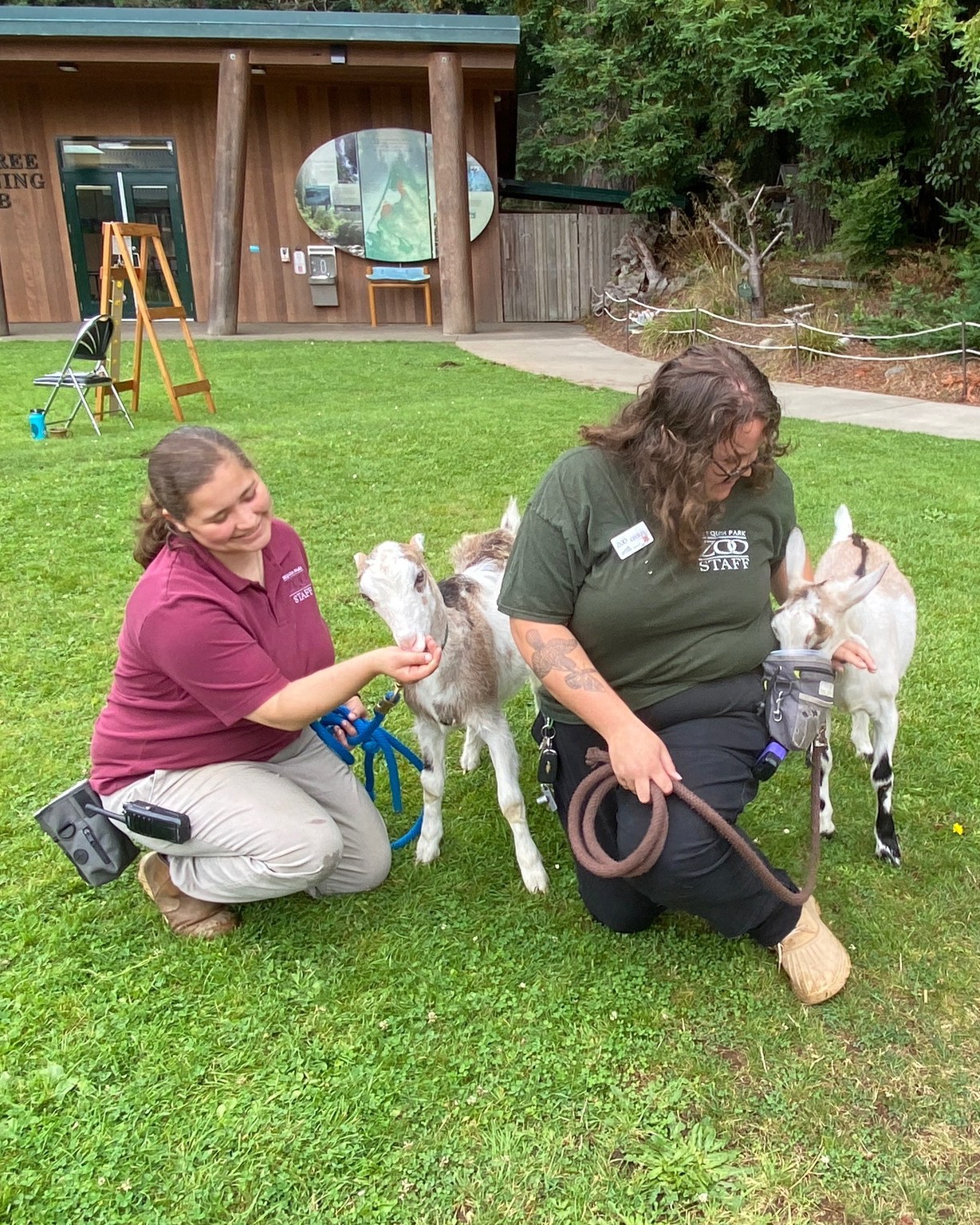
The baby goats are growing up and exploring all around the Zoo!
Animal care staff take the goats on walks through different parts of the Zoo, providing opportunities for interesting sights, sounds, and smells to the goats and other Zoo residents. (Ok, there were a few unplanned “tastes” along the way, too, as the goats passed the native blueblossom shrubs.)
Photo: La mancha goat Mantis (left) and alpine goat Cricket (right) snacking on the main lawn under the supervision of keeper staff.
