
- The biology and behavior of kangaroo joeys
- The significance of joeys in wildlife conservation
- The role of zoos in wildlife education and preservation
- Insights into the daily activities of kangaroos at Walkabout Australia
- The love and care given to the newest additions to the ‘roo crew
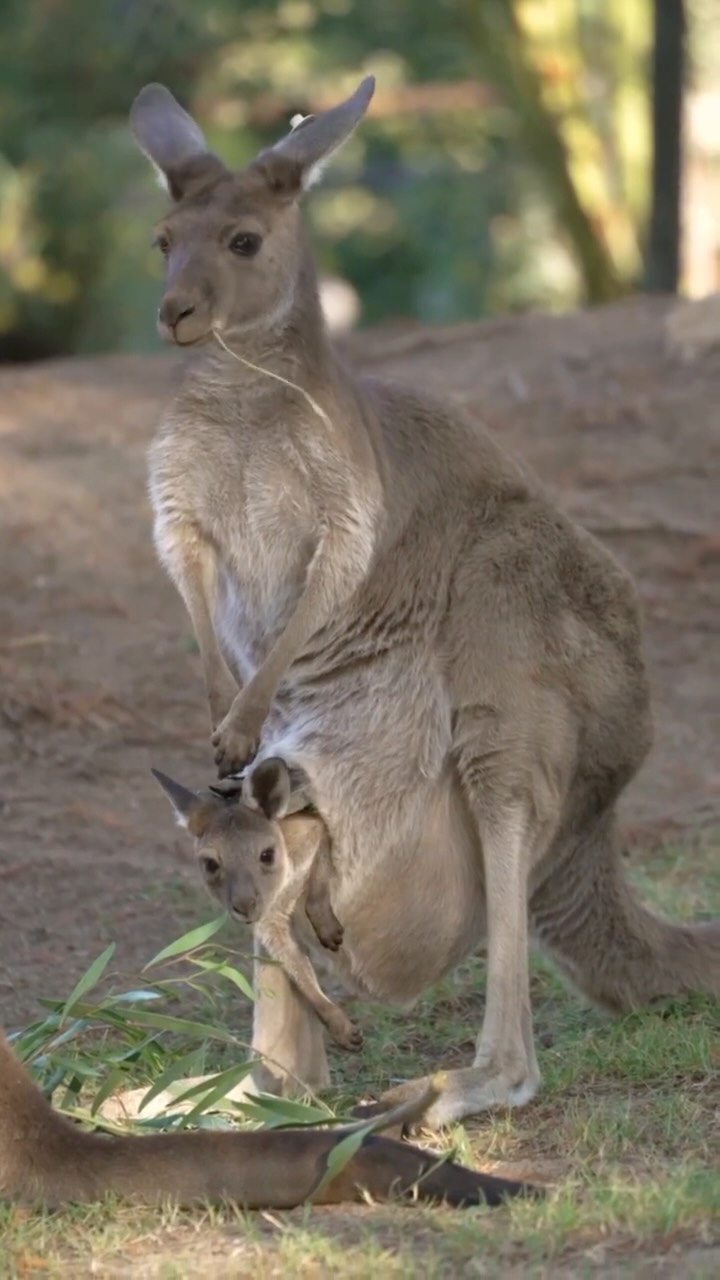
The biology and behavior of kangaroo joeys is fascinating and essential for understanding their growth and development. Kangaroo joeys are born at a very early stage of development, usually measuring only about one inch in length. They are born without fur and have underdeveloped limbs. Instantly, they climb into their mother’s pouch, a specialized structure that provides warmth and protection. Inside this pouch, they latch onto a teat for nourishment. The joey stays in the pouch for approximately six to eight months, emerging only to explore their surroundings briefly or when the mother feels safe. Once they grow stronger, they start spending more time outside the pouch, playing and socializing with their siblings, which is crucial for their social development.
The significance of joeys in wildlife conservation cannot be overstated. Captive breeding programs, such as those found in the Safari Park, play a pivotal role in conserving species that face decline in the wild due to habitat loss, climate change, and poaching. By introducing joeys into carefully managed environments, the zoo can monitor their development and health while educating the public about the challenges kangaroos face in their natural habitats. This educational aspect promotes awareness and encourages conservation efforts. Furthermore, joeys represent hope for future generations of kangaroos, as they can eventually be part of programs striving for the species’ sustainability.
Zoos play a vital role in wildlife education and preservation, acting as bridges between the public and wildlife. By allowing visitors to observe these adorable joeys as they frolic around Walkabout Australia, zoos can convey important messages about wildlife conservation. Educational signage, guided tours, and keeper talks are instrumental in providing context about the kangaroo’s habitat and the threats they face. This knowledge can inspire people to take action in protecting wildlife and their habitats. The personal connection established by meeting the joeys creates a deeper understanding of their plight in the wild.
Insights into the daily activities of kangaroos at Walkabout Australia are crucial in showing the behavior of these fascinating creatures. Morning hours are typically when the joeys exhibit their playful antics. Observers might catch them bounding around, engaging in mock fights, or practicing their hopping skills. These activities not only display their exuberance but are also essential for their physical development. Through such behaviors, they enhance their strength, coordination, and social capabilities. Meanwhile, during the hotter parts of the day, adult kangaroos tend to rest and conserve energy, reminding us of the need to balance activity with rest in the wild.
The love and care given to the newest additions to the ‘roo crew by zookeepers is indispensable for their well-being. The keepers monitor the joeys closely, tracking their growth and health, feeding them specialized diets, and creating enriching environments that stimulate their natural instincts. Enrichment activities are implemented to keep the joeys mentally and physically engaged, simulating behaviors encountered in the wild. This level of care ensures the joeys develop in a healthy manner, contributing positively to the population of kangaroos under human care while preparing them for possible future reintroduction into their natural habitats.
Given the challenges faced by wildlife today, understanding the biology, behavior, and importance of kangaroo joeys can mobilize efforts for their conservation. By focusing on the enriching experiences offered at the Safari Park, the community can engage meaningfully with wildlife education while fostering a sense of responsibility to preserve these incredible animals. By appreciating the adorable antics of the ‘roo crew, we also recognize the bigger picture of wildlife conservation, driving interest and investment in protecting the natural world we share.
*****
Source Description
A teeny hop, a lot of heart 💚
The newest and cutest members of the ‘roo crew have made their debut at the Safari Park. All three joeys are now old enough to play together, spending time between their mama’s pouches and exploring Walkabout Australia (they’re especially playful in the morning!)
