
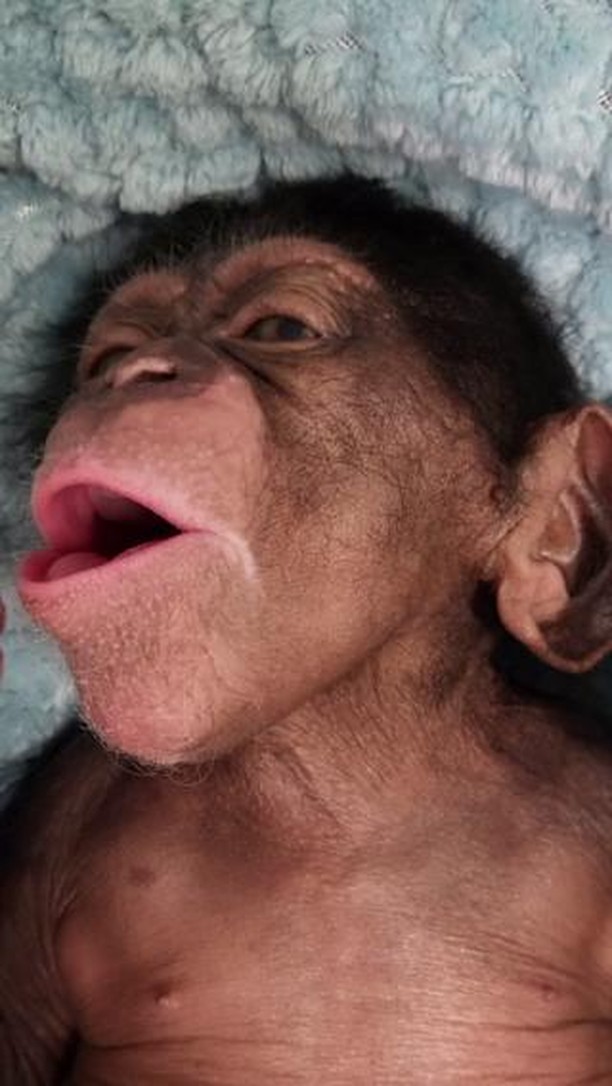
- Baby Makutu’s early development stages, including milestones like crawling and sitting up.
- The importance of tracking infant chimpanzee growth and development in captivity.
- The role of zoos in chimpanzee conservation and their survival.
- The influence of caretakers and enrichment activities on infant chimpanzee health.
- The significance of public engagement and education in wildlife conservation efforts.
Baby Makutu is capturing hearts with his journey through the early stages of life. This precious chimpanzee, now weighing 3 kg (about 6.6 lbs), is not only growing stronger but is also reaching significant developmental milestones. Observing Makutu as he begins to crawl and sit up offers a glimpse into the enchanting world of chimpanzee infancy.
Chimpanzees, like humans, undergo various developmental stages that are crucial for their growth. In the wild, these stages prepare them for adulthood, equipping them with the necessary skills to survive. In captivity, documenting milestones such as crawling and sitting helps caretakers monitor health and development, ensuring the best possible care for young chimpanzees.
Tracking baby chimps’ progression involves close observation and dedicated documentation. This provides critical data that can inform best practices in zoo management and animal health. For Makutu, achieving these milestones is indicative of robust health and proper nurturing.
Zoos play a pivotal role in the conservation of chimpanzees, especially with their populations facing threats from habitat loss and poaching. In captivity, zoos offer a protected environment where young chimps like Makutu can grow without these threats. By investing in the conservation of these primates, zoos help preserve genetic diversity and support species survival plans.
Caretakers provide intensive, personalized care to infant chimps. This includes carefully designed enrichment activities that are essential for mental stimulation and physical health. Through play, instruction, and interaction, these activities facilitate cognitive development and promote natural behaviors in a controlled environment.
The knowledgeable caregivers at zoos create enriching experiences that echo the natural environment, aiding in a smooth developmental process. For instance, ropes, climbing structures, and interactive toys simulate the challenges a young chimpanzee might face in the wild.
Public engagement is a fundamental component of wildlife conservation. By sharing updates and milestones like those of Baby Makutu, zoos can foster a deeper connection between the animals and the public. This connection is crucial for raising awareness and inspiring conservation efforts globally.
Engaging exhibits and media updates keep the public informed and invested in the conservation mission. By showcasing the individual stories of animals like Makutu, zoos not only educate but also evoke empathy and a sense of responsibility toward wildlife conservation.
For Baby Makutu, every milestone achieved is more than just a personal success. It represents a step forward in the ongoing effort to preserve and protect chimpanzee populations. His journey can inspire others to support conservation initiatives and reflect on the vital role humans play in safeguarding the planet’s biodiversity.
Through sharing stories and engaging with communities, zoos can inspire future generations to value and protect chimpanzees and other vulnerable species. As Makutu continues to grow, he embodies hope for the future of his species, reminding us all of the importance of conservation efforts.
*****
Source Description
BABY MAKUTU UPDATE: This little chimp is officially 3 kg (that’s about 6.6 lbs) and growing stronger every day. He’s busy hitting big milestones like crawling, sitting up, and, of course, stealing hearts along the way! 😍
📸: Jenn L.
