
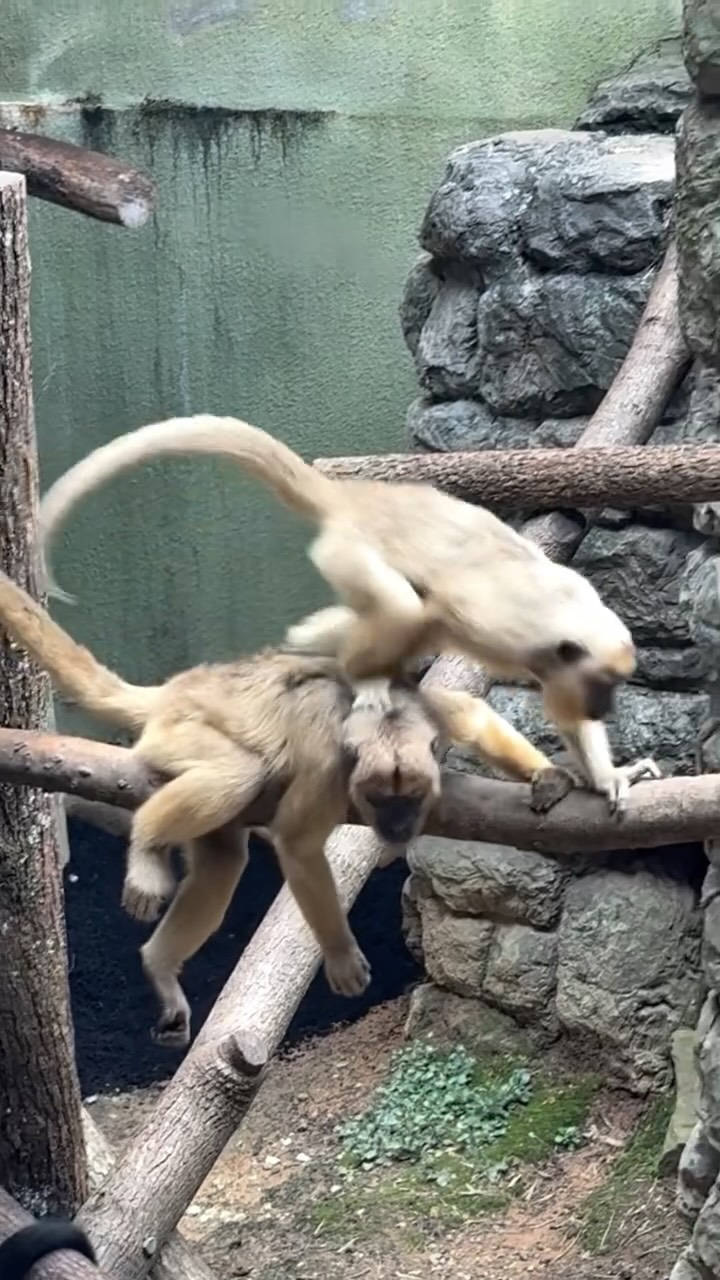
- Overview of Baby Mei core and its significance in wildlife conservation
- The biology and behavior of the species featured in Baby Mei core
- The role of zoos in the conservation of endangered species
- Educational programs and outreach initiatives connected to Baby Mei core
- Future perspectives on wildlife conservation and the importance of public engagement
Baby Mei core refers to a unique initiative focused on raising awareness about endangered species and promoting conservation through interactive engagement. Taking its name from Baby Mei, it highlights the vital relationships between various species and their habitats. Notably, it serves as a platform to enhance public knowledge regarding the challenges these animals face in the wild.
Wildlife conservation has become increasingly important, given the rapid advancements in urbanization that threaten natural habitats. Baby Mei core effectively draws attention to this issue, encouraging discussions among individuals of all ages. Through content such as informative videos, images, and community engagement, the initiative promotes a deeper understanding of the ecological balance.
Examining the biology and behavior of the species showcased in Baby Mei core reveals crucial insights into their lives. The featured animals often include primates, which share behavioral characteristics with humans, facilitating empathy. Traits such as social structures, parenting, and communication patterns make them relatable. For example, the developmental stages of these animals, much like human children, foster an emotional connection. Recognizing these similarities emphasizes the need for their conservation.
Moreover, many of the species in the Baby Mei core initiative are classified as endangered. Endangered species, such as various primates, face significant threats from habitat loss, poaching, and climate change. The decline in their numbers reflects broader environmental issues that affect not just wildlife but ecosystems as a whole. Observing these animals, participants can witness their behaviors firsthand, fostering a connection that extends beyond mere observation.
Zoos play a fundamental role in the conservation of endangered species and the education of the public about these issues. Modern zoos focus not only on exhibiting animals but also on preserving genetic diversity and contributing to breeding programs for species at risk of extinction. The Baby Mei core initiative epitomizes this mission by providing a platform for direct involvement.
Partnerships between zoos and conservation organizations create opportunities for impactful research. These collaborations enable zoos to collect data on animal health, behavior, and needs, contributing to broader conservation strategies. Notably, many zoos participate in captive breeding programs, which have successfully reintroduced species into their natural habitats. This success is a testament to the importance of zoos in wildlife conservation efforts.
Public engagement and education are central to initiatives like Baby Mei core. Zoos often host workshops, educational talks, and community events, providing valuable insights into the lives of featured species. These programs aim to inspire participants to take action in their communities. Children and adults alike benefit from engaging experiences that inform them about the role of ecosystems and the importance of conservation.
Hands-on activities can foster curiosity and a lasting interest in wildlife conservation. For example, educational programs centered around animal care can help individuals understand the dedication required in maintaining healthy populations of endangered species. When people learn how species interact with their environments, their appreciation for biodiversity grows.
Advancements in technology also enable more effective outreach concerning initiatives like Baby Mei core. Social media platforms, blogs, and videos serve not just as marketing tools but as educational resources. Engaging content that highlights the challenges and successes of conservation efforts encourages broader discussion. This can mobilize individuals to become more involved in conservation advocacy.
Looking to the future, wildlife conservation must rely on communities actively engaging with these initiatives. Public support significantly influences policies related to environmental protection. Advocacy at local, national, and global levels is essential to addressing the root causes of habitat loss and species decline.
Education remains a cornerstone of effective conservation. By fostering public interest in wildlife, initiatives like Baby Mei core can build a network of informed advocates. Educated individuals are more likely to participate in conservation efforts, whether through donations, volunteering, or grassroots initiatives.
Viewing wildlife conservation through the lens of egalitarian philosophy can inspire people to appreciate biodiversity beyond their immediate surroundings. Individuals who recognize the interconnectedness of all life forms can become champions for wildlife protection. The narrative around Baby Mei core not only supports endangered species but also cultivates a generation that values ecological stewardship.
Efforts to promote conservation must extend beyond the walls of zoos and institutions. Engaging with local communities can build relationships that enhance conservation efforts. Workshops in schools, community centers, and public parks can foster understanding and inspire action. Therefore, the educational component is vital for sustaining conservation efforts long into the future.
With ongoing challenges such as climate change and habitat loss, the role of initiatives like Baby Mei core is more critical than ever. They serve as a reminder of our responsibility to protect endangered species. In this regard, collaboration between educators, scientists, and everyday citizens can yield significant impacts in wildlife conservation.
Parenting behaviors exhibited by species in the Baby Mei core initiative also underscore the rich social structures of these animals. By observing parental care in species like primates, a stronger bond forms between humans and these creatures. This bond cultivates a sense of obligation to protect their environments and preserve their populations.
Enhancing species recognition leads to informed consumption choices. Individuals who understand the threats faced by endangered species are more likely to support eco-friendly practices and companies. Consistent advocacy for wildlife conservation is essential for influencing corporate practices and policies that affect habitat preservation.
Ultimately, initiatives like Baby Mei core represent the convergence of education, engagement, and conservation. By raising awareness and inspiring action, they create lasting impressions on younger generations. So, every effort invested in educating the public serves as a building block for a more sustainable future for wildlife.
In light of the evolving challenges facing endangered species, the flexibility of educational and outreach programs is essential. This adaptability will resonate with the public, enabling effective strategies to inspire further engagement and advocacy.
Through consistent learning and communication, wildlife conservation can transition from being a niche interest to a community-wide priority. The synergy between education, engagement, and advocacy ultimately lays a strong foundation for ongoing conservation success. This is the vision embodied by the Baby Mei core initiative, actively shaping a future where wildlife conservation thrives through informed public participation.
*****
Source Description
Baby Mei core:🐒🤸♀️💨
