
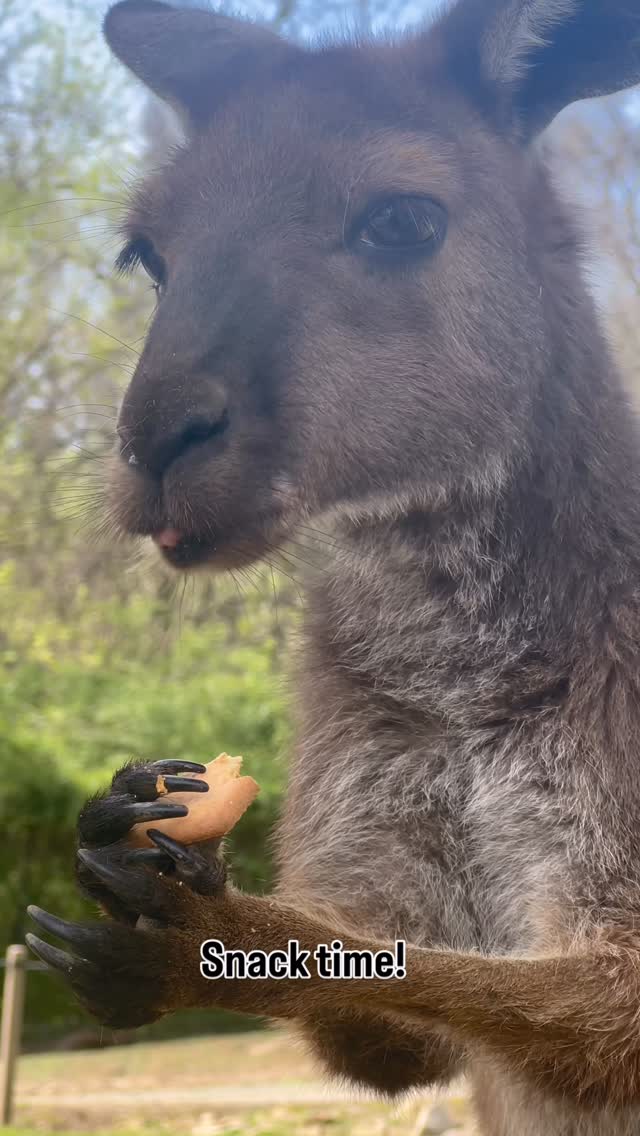
- The significance of snack time in animal behavior and welfare
- Animal diets: nutritional needs and preferences
- The role of zookeepers in managing meal times
- Snack time as an educational tool for the public
- Conservation implications of proper animal nutrition
The importance of snack time in zoos extends beyond dietary nourishment; it plays a crucial role in animal behavior and welfare. Animals in captivity often experience restrictions that can lead to stress, boredom, and a reduction in natural behaviors. Scheduled feeding times that include various snacks can serve as a form of enrichment. Enrichment activities help stimulate mental and physical engagement for animals. This practice can lead to observable improvements in behavior. Animals that are mentally stimulated often exhibit fewer signs of stress and a higher quality of life. Scientific studies show that animals provided with varied diets and snacks engage in more naturalistic behaviors, such as foraging and exploration. Making feeding times more dynamic not only aids in animal welfare but can also enhance the overall visitor experience. Observers witness animals engaging in more lively behaviors, allowing for a vibrant, educational atmosphere at the zoo.
Understanding animal diets is pivotal when discussing snack time. Different species have unique dietary requirements that reflect their natural habitats. For example, herbivores like giraffes and elephants require a high-fiber diet, while carnivores such as lions and tigers need protein-rich meals. Omnivores, such as bears and some primates, thrive on a balanced intake of both plant and animal-based foods. In zoos, zookeepers must balance these dietary needs and preferences. They often collaborate with nutritionists to ensure that each species is receiving a complete and balanced diet. This can involve careful selection of fruits, vegetables, meats, and specially formulated dietary supplements. The goal is to replicate the nutritional components of an animal’s natural diet as closely as possible. A specialized diet can improve animal health, leading to a longer, healthier lifespan in captivity. Therefore, snack time can serve as an opportunity to introduce nutritional variations while still adhering to species-specific requirements.
Zookeepers play an integral role in the management of meal times. Their expertise influences the logistics and planning of animal snacks. Zookeepers are trained to recognize the individual dietary needs of each animal. They monitor eating habits closely and make adjustments as needed. In some cases, animals may show preferences for certain types of food, which offers insights into their health and well-being. For instance, a sudden change in eating habits might indicate a health issue that requires prompt attention. The connection between animal behavior and feeding patterns is a critical area of study in zoos. Furthermore, zookeepers utilize various feeding techniques to encourage animals to engage with their food in different ways. For example, hiding snacks throughout an enclosure can encourage foraging behavior, while offering food in puzzle feeders provides mental challenges.
Snack time also has educational implications for zoo visitors. Every feeding session can serve as an opportunity to teach the public about animal diets and conservation. People often find animal interactions at feeding time engaging and interactive, which can lead to an increased awareness of the species’ needs. Zookeepers often take this time to explain the importance of specific diets, offer insights into each animal’s natural habitats, and even discuss ongoing conservation efforts. Educational programs may be designed to complement feeding times, allowing visitors to learn while witnessing animal behavior in action. By providing information, zoos can foster a deeper understanding of wildlife. This educational outreach can inspire visitors to advocate for both animal health and conservation initiatives.
Proper animal nutrition within the context of snack time holds significant conservation implications. The foundation for successful species management in zoos often lies in the knowledge of their dietary preferences and needs. Zoos increasingly engage in programs that reflect conservation principles, focusing on the genetic viability of species. Breeding programs often rely on proper nutrition for the health of breeding pairs and their offspring. By ensuring that animals in captivity are healthier, zoos contribute to conservation efforts that may include reintroduction programs for endangered species. Nesting and breeding success are heavily influenced by diet. For instance, malnutrition can lead to reproductive issues and developmental problems in young animals.
Moreover, zoos participate in global conservation initiatives that extend beyond individual animal welfare. The information gathered from studies of feeding patterns, dietary preferences, and animal interactions can contribute valuable insight into species conservation efforts in the wild. Understanding how animals thrive in controlled environments can inform practices aimed at habitat preservation.
Snack time is much more than a simple feeding routine; it serves as an intersection for animal welfare, dietary science, education, and conservation. The role of snack time in promoting mental stimulation for animals cannot be overstated. The lively behaviors exhibited during these moments not only improve animal welfare but also enrich the visitor experience. Educational outreach during snack times transforms what might be a mundane activity into an engaging learning opportunity. Visitors leave with a better understanding of animal needs and conservation efforts.
Zookeepers remain the linchpin in this multifaceted approach, carefully managing feeding strategies that align with each species’ needs. Continuous training and research empower them to adapt feeding practices while ensuring the health of the animals in their care. As zoos face unique challenges in their conservation efforts, the knowledge generated from animal diets, exhibited behaviors, and visitor interactions becomes increasingly vital. The drive towards healthier animals fosters a more profound commitment to conservation, encouraging zoos to take proactive measures that contribute to species survival.
Through focused attention on snack time, zoos not only provide for the physical needs of their animals but also emphasize the integral link between nutrition, welfare, and conservation. By offering a well-rounded experience that includes education for the public, zoos unlock potential avenues for advocacy that extend beyond their gates. Visitors can engage with the broader context of conservation, driven in part by their experiences during snack times. This creates an informed public that understands their role in wildlife preservation. Snack time, therefore, stands as a cornerstone of not only animal care and nutrition but also of the overarching mission of zoos to educate and conserve.
*****
Source Description
We love snack time!
