
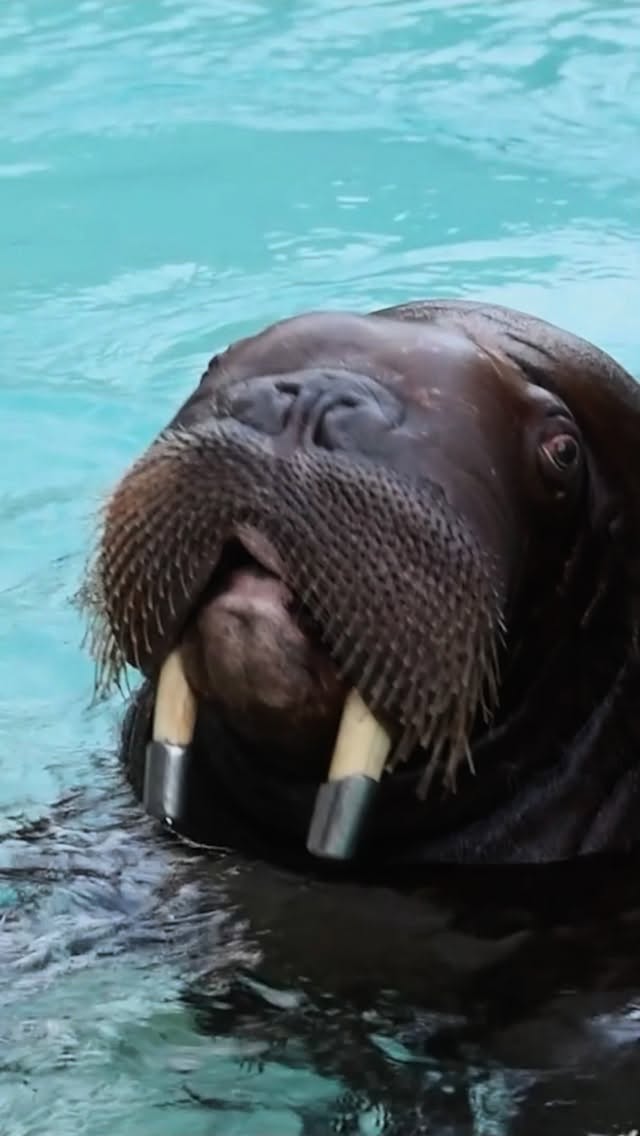
- The characteristics and appearance of walruses, focusing on Balzak
- The ecological role of walruses in their natural habitat
- The importance of conservation efforts for walrus populations
- Social behaviors and communication methods of walruses
- The impact of climate change on walrus habitats and populations
Balzak the walrus is an exceptional representative of his species. On the surface, he might resemble a perfectly shaped potato with his round body and smooth, blubbery skin. However, beneath this charming exterior lies a fascinating creature that plays a vital role in its ecosystem. The long whiskers framing his face are not just for show; they assist in detecting food and navigating his environment. Balzak’s soulful eyes offer a glimpse into the intelligence and emotional depth of walruses, making him an endearing figure in the animal kingdom.
Walruses are unique mammals found primarily in the Arctic and sub-Arctic regions. Their bodies are covered in thick blubber, which provides insulation in frigid waters. This layer of fat can be up to several inches thick, effectively keeping them warm and buoyant as they swim. The walrus’s skin itself has a grayish-pink hue and can appear wrinkled, adding to their distinct visual appeal. The prominent tusks of walruses, which can grow up to three feet long, are another defining characteristic. Not only do they serve practical functions, such as helping to haul their considerable weight onto ice, but these tusks can also be indicators of age and health.
Tusks come with caps that protect the growing teeth beneath them. These caps are highly significant. As the walrus ages, the tusks grow larger, and the caps ensure they remain intact while serving their functional roles. In a social context, the size andcondition of a walrus’s tusks can indicate dominance and fitness during interactions with other walruses. This prominent feature adds a layer of complexity to their social hierarchy.
Ecologically, walruses play a crucial role in their environment. They primarily feed on benthic organisms, such as clams and other shellfish, which they find on the ocean floor. Their foraging activities can significantly impact the structure of the seabed, creating habitats for various marine life. By keeping these populations in check, walruses contribute to maintaining the balance within their ecosystem. In turn, their presence supports the health of marine environments, showcasing the interconnectedness of species.
In the Arctic, the health of walrus populations is closely tied to their habitats. They often rely on sea ice for resting and birthing. As the climate changes, melting ice poses a significant threat to walrus habitats. Reduced ice coverage forces them to travel greater distances to find food and suitable resting areas, leading to increased competition and stress within populations. The consequences of climate change are evident, with walruses facing heightened risks of predation and lower reproductive rates as their environments become less stable.
Walrus social structure is fascinating. They are known to form large groups, sometimes numbering in the thousands, when they come together to rest on ice or beaches. These gatherings are critical for social interactions, bonding, and reproductive activities. Within these groups, communication plays a significant role. Walruses utilize a variety of vocalizations, from bell-like sounds to growls, which convey different messages to one another. Mother walruses are particularly attentive to their calves, fostering strong bonds that enhance the survival rates of the young.
Research into walrus communication suggests that these animals may have a complex social structure similar to that of elephants and other highly social species. Observations show that they engage in play and have individual friendships, highlighting their social intelligence. The bonds formed within these groups are essential not only for reproductive success but also for survival in harsh Arctic conditions.
The conservation of walrus populations is critical. As keystone species, their presence indicates the health of Arctic marine ecosystems. Several organizations are dedicated to studying walruses and advocating for protective measures. These efforts include habitat preservation and research programs aimed at monitoring population dynamics and health. Ensuring that walruses thrive requires collaboration between scientists, policymakers, and local communities.
Conservation initiatives are multifaceted, often involving habitat restoration projects and legislative actions. Protecting the Arctic environment, which encompasses the walrus’s habitat, is vital. This includes addressing issues such as pollution and overfishing, which can further threaten the food sources on which walruses depend. Investments in sustainable practices and renewable energy sources can mitigate some of the impacts of climate change on walrus habitats.
In the face of ongoing environmental challenges, public awareness and education are integral to conservation efforts. Engaging communities through outreach programs fosters understanding and respect for walruses and their ecosystems. Ecotourism can also play a positive role by promoting responsible wildlife viewing that benefits local economies while raising awareness about conservation issues.
The effects of climate change extend far beyond ice loss; these changes alter entire ecosystems. Warmer ocean temperatures can modify the distribution of prey species, which not only affects walruses but also other marine wildlife. Understanding these dynamics can lead to better strategies for conservation. It emphasizes the importance of interdisciplinary research that incorporates biology, ecology, and environmental science.
In summary, Balzak the walrus serves as an unforgettable representative of his kind, not just for his charming appearance but for what he embodies—an intricate balance in nature that requires nurturing and protection. His long whiskers, soulful eyes, and robust body reflect the complexity of life in the Arctic. Through collective action and knowledge, we can support the vitality of walruses and the ecosystems they inhabit. The story of Balzak is a reminder of our shared responsibility to the natural world, pushing us to advocate for the delicate balance of life that shapes our planet.
*****
Source Description
Balzak might look like the world’s most beautiful potato… but don’t be fooled, he’s a walrus through and through! 🥔 With his long whiskers, soulful eyes, and that chef’s kiss blubber, he’s a spuddy buddy we’ll never get enough of. 💙
The caps on his tusks are to protect them as they grow.
