
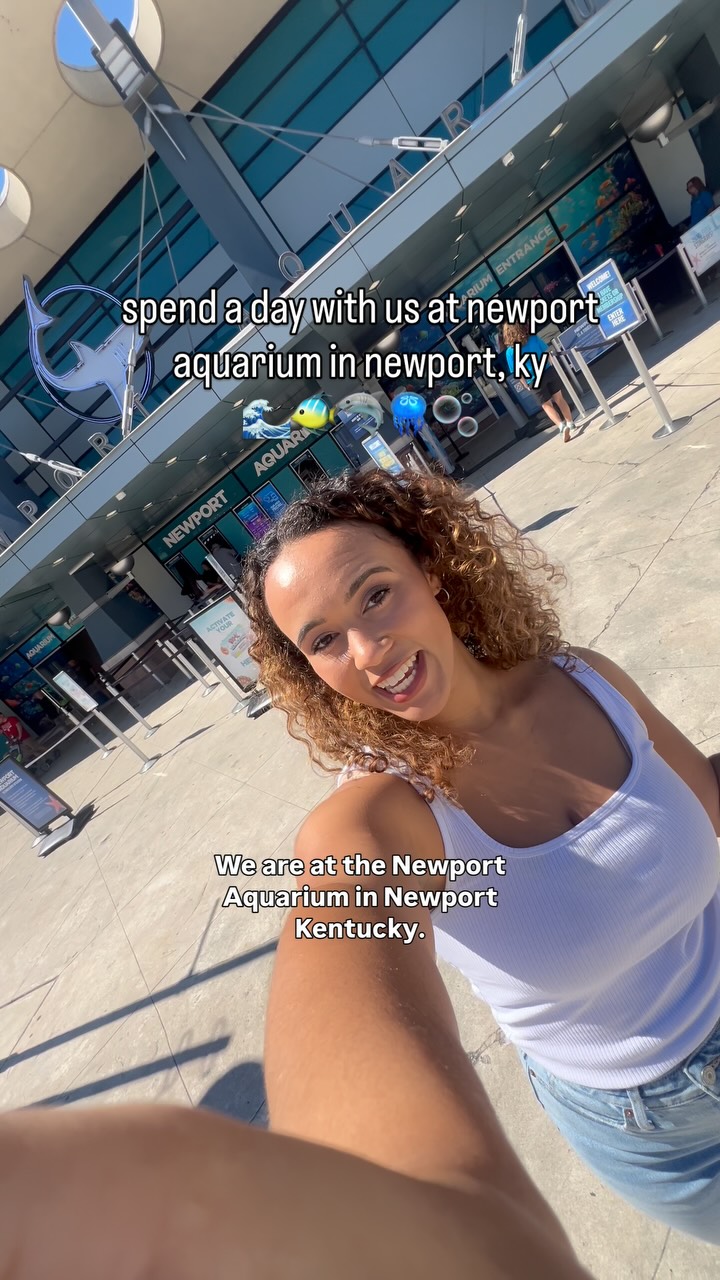
- The diverse ecosystems and aquatic environments represented in aquariums
- The role of aquariums in education and community outreach
- Conservation efforts and the importance of biodiversity
- Interactive exhibits and the visitor experience
- Tips for planning a successful day at the aquarium
A day spent at the aquarium is often filled with wonder and discovery. These facilities serve as a gateway into the depths of ocean life, showcasing a variety of aquatic species and habitats. From vibrant coral reefs to the mysterious depths of the ocean, aquariums provide opportunities to observe marine life up close. They are more than just places to see fish; they are also vital centers for education, research, and conservation.
Aquariums usually aim to recreate diverse ecosystems, offering visitors insights into different aquatic environments. Many include saltwater tanks, freshwater exhibits, and even specialized areas for wetland creatures. For example, a typical aquarium may feature a tropical reef exhibit teeming with colorful fish, an open ocean display hosting large predators like sharks, and a freshwater exhibit representing local rivers. This variety enables the public to understand the range of life forms in our oceans and waterways.
Visitors can see species like clownfish, angelfish, and even sea turtles, each adapted to their specific environment. The design of these habitats is crucial, as it indicates the ecology of each species. Coral reefs are often densely populated ecosystems characterized by their biodiversity. In contrast, the open ocean, while sparce, plays an essential role in the overall health of our planet.
Education and community outreach are fundamental aspects of aquariums. These facilities frequently conduct programs aimed at informing visitors about aquatic ecosystems, marine biology, and conservation efforts. School groups often visit aquariums as part of their curriculum, allowing students to learn about the scientific aspects of marine life in an experiential setting.
Many aquariums also host workshops, lectures, and demonstrations led by marine biologists and conservationists. These events offer valuable insights into how marine ecosystems function and the challenges they face. Through these educational initiatives, aquariums help foster a deeper appreciation for marine life among individuals of all ages.
Another essential role that aquariums play is in conservation. Many species face threats from habitat loss, pollution, and climate change. Aquariums often contribute to breeding programs aimed at maintaining or increasing populations of endangered species. For instance, the conservation of species like the California sea otter and various species of sharks is critical. Breeding programs not only help sustain these populations but also serve as a genetic reservoir for potential future reintroductions into the wild.
Aquariums also participate in research that focuses on fish behavior, breeding practices, and disease prevention. By studying marine life in controlled settings, scientists can gain insights that are not easily obtainable in the wild. Results from this research can contribute to conservation efforts in natural habitats, helping to combat declining fish populations and biodiversity.
The visitor experience is carefully curated to engage all ages. Many modern aquariums incorporate interactive exhibits, allowing guests to touch certain marine organisms. For instance, touch tanks where visitors can interact with sea cucumbers, starfish, and even smaller sharks enhance understanding while fostering a sense of connection to marine life. These hands-on experiences often spark curiosity and encourage a love for the ocean.
In addition, many aquariums feature immersive exhibits, such as simulated underwater tunnels where guests can walk through a transparent tube surrounded by swimming sharks and rays. This creates an exhilarating experience that allows visitors to observe creatures from a unique vantage point. Such settings aim to ignite wonder in extinction and beauty while educating visitors about the animals’ behaviors and conservation needs.
Planning a trip to the aquarium requires some preparation to maximize enjoyment. Here are some strategic tips. First, check for any special events or programs that coincide with your visit. Many aquariums host seasonal activities like feeding demonstrations, which can be both educational and entertaining.
Second, visiting during weekdays or less busy hours can lead to a more personalized experience. Early mornings or late afternoons are often the least crowded times. This allows for more intimate interactions with exhibitions and makes it easier to digest the information being presented.
Third, take advantage of the online ticket option. Many aquariums offer discounts for those who purchase tickets in advance. If you are visiting the Newport Aquarium, using promotional codes like LEXY10 can yield savings on admission. This not only simplifies entry but also enables visitors to focus more on those captivating displays.
Don’t forget to prioritize hydration and energy during your visit. Many aquariums have dining establishments that offer a range of meals, ensuring visitors can maintain their energy levels while learning about marine life. Planning meal times around exhibit exploration can lead to a more enjoyable experience.
As you stroll through the aquarium, remember to take notes or capture photos. This can enhance retention of what you learn. Sharing your experiences on platforms like Instagram also helps promote awareness of marine conservation. Your visit will often serve as an inspiration for others to learn about aquatic ecosystems.
Aquariums play a significant role in our understanding of marine life and conservation needs. They serve as not only educational venues but also as vital research hubs for biodiversity protection. By collaborating with scientists and organizations focused on marine conservation, aquariums help rally support for endangered species and their habitats.
While exploring the exhibits, visitors may encounter a variety of ecosystems and species. Highlights often include vibrant coral displays, exclusive behind-the-scenes glimpses of animal care, and interactive feeding sessions. Each stop should provide an opportunity to learn about the behaviors and habitats of the animals featured.
Every aquarium visit is a chance to appreciate the aquatic world and understand the pressing issues it faces. Aquarists, scientists, and conservationists work within these facilities to promote sustainable practices and educate others on the impacts of pollution and climate change on ocean ecosystems.
In summary, a day at the aquarium is filled with opportunities for engagement, education, and fun. From interactive exhibits to conservation initiatives, these facilities serve as a bridge connecting the public to the wonders of aquatic life. Visiting one not only fosters excitement but also inspires individuals to care for the ocean and its inhabitants.
Aquariums have a tremendous role in the global conservation landscape. They can lead to improved public understanding of marine life and the challenges it faces. As more people develop an appreciation for aquatic ecosystems, it becomes increasingly likely that society will work collaboratively to conserve these vital environments. Your next aquarium visit could mark the beginning of a lifelong commitment to marine stewardship.
*****
Source Description
a day at the aquarium is always a fun day 🌊🐠🐙🦈🪼🪸
thank you so much @newport_aquarium for hosting us! 🫶🏽
if you plan a visit to the @newport_aquarium – use code LEXY10 to save on daily admission tickets when you purchase online!
