
- The symbiotic relationship between barn animals and environmental sustainability.
- The composting process and its benefits for soil health and agricultural productivity.
- The collaborative efforts between the WNC Nature Center and the Biltmore Estate.
- The impact of animal waste management on ecological conservation.
- Innovations and future potential in sustainable practices involving animal husbandry.
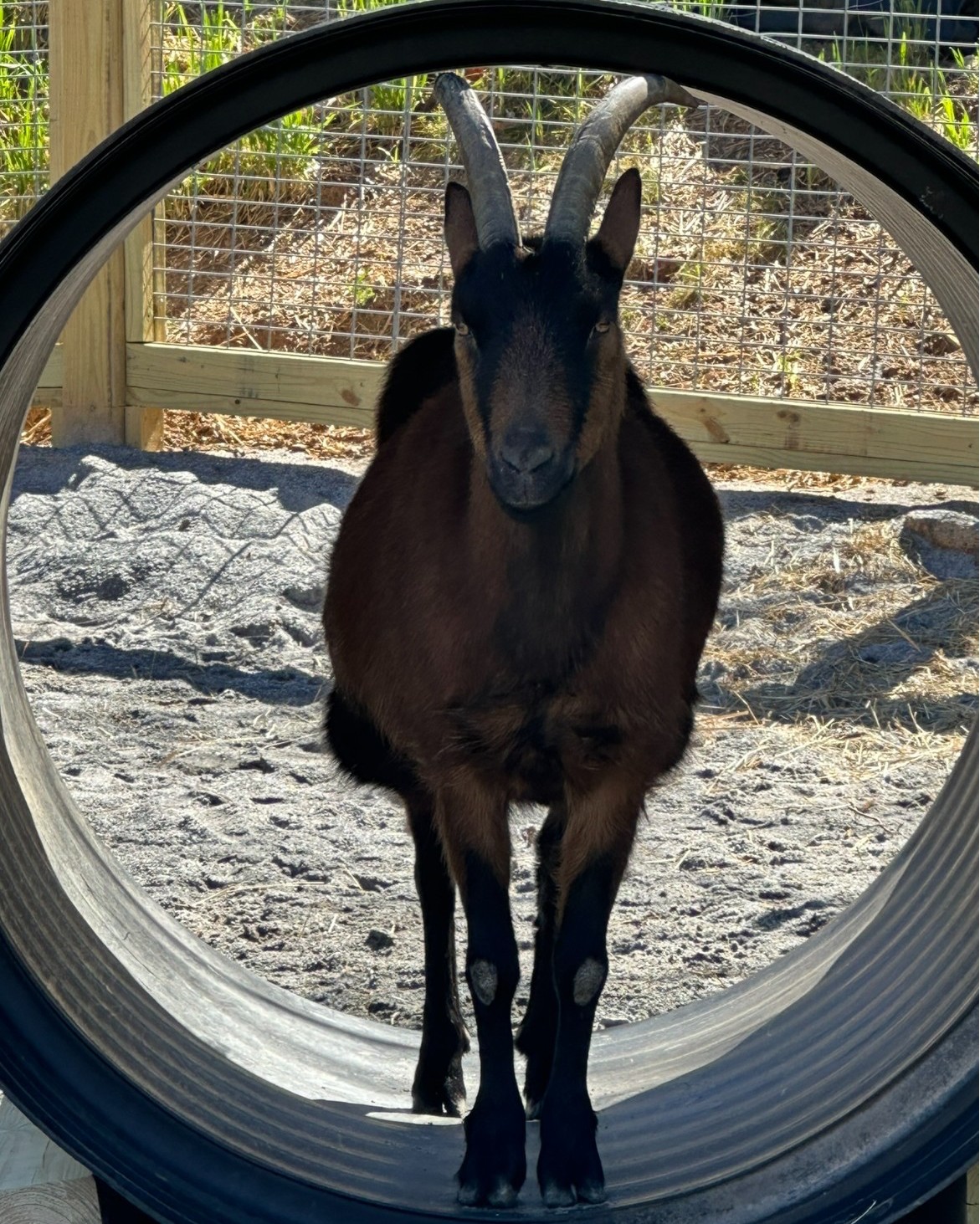
Barn animals often play a crucial role beyond their traditional functions, such as providing food or companionship. At the WNC Nature Center, they act as silent environmental champions, contributing significantly to sustainability efforts. This article explores how these animals support larger ecological goals, emphasizing a unique collaboration with the Biltmore Estate to utilize animal waste as a resource rather than waste.
The WNC Nature Center’s animal care team has devised an ingenious approach to manure management. Instead of allowing the barn waste to go unused, it is collected carefully and sent to the Biltmore Estate. There, it undergoes composting, a natural process that transforms it into nutrient-rich material, enhancing soil quality in their gardens and farmland.
Composting is a quintessential example of circular economy principles in action. Manure, rich in nitrogen, combines with carbon-rich materials like leaves and straw. The resulting microbial activity breaks down the organic matter, turning it into humus, which improves soil structure and fertility. This enriched soil supports vibrant plant growth, leading to increased agricultural productivity without relying heavily on synthetic fertilizers. This process also reduces methane emissions from manure, a significant contributor to greenhouse gases when left to decompose untreated.
The collaboration between the WNC Nature Center and the Biltmore Estate underscores a commitment to ecological stewardship. Such partnerships serve as models for sustainable practices, showing how different organizations can work towards common environmental goals. By leveraging each other’s strengths, they underscore the potential of animal husbandry in supporting conservation efforts.
Effective animal waste management is critical for ecological conservation. Traditional waste disposal methods can lead to environmental degradation, polluting water sources and contributing to air pollution. By rethinking waste as a resource, the WNC Nature Center supports initiatives that align with global sustainable development goals. This approach not only conserves resources but also protects natural habitats and promotes biodiversity.
The positive impacts of this initiative on sustainability extend beyond immediate ecological benefits. These practices can inspire innovative methods in sustainable agriculture and waste management, emphasizing the importance of banishing the notion of wastefulness from agricultural processes. Future potential exists in expanding these practices, with technology playing a key role in optimizing composting processes and improving efficiency.
Educational opportunities abound as well. By understanding the science and impact behind these practices, visitors and community members can gain a deeper appreciation for how barn animals contribute to environmental sustainability. This knowledge can foster greater support for similar initiatives, encouraging broader adoption of such sustainable practices.
By recognizing the hidden value in barn animals and their waste, organizations like the WNC Nature Center and the Biltmore Estate are paving the way for more integrated and sustainable agricultural systems. This journey reflects a broader commitment to conservation and environmental management.
*****
Source Description
Did you know that our barn animals are helping support sustainability beyond the WNC Nature Center? Our animal care team collects manure from our barn, and instead of going to waste — it goes to work!
We send all that barnyard gold to our friends at the Biltmore Estate, where it’s composted and used to enrich the soil in their beautiful gardens and farmland.
It’s a partnership rooted in conservation and care for our environment — and just another way our animals are making a difference in WNC!
@biltmoreestate
