
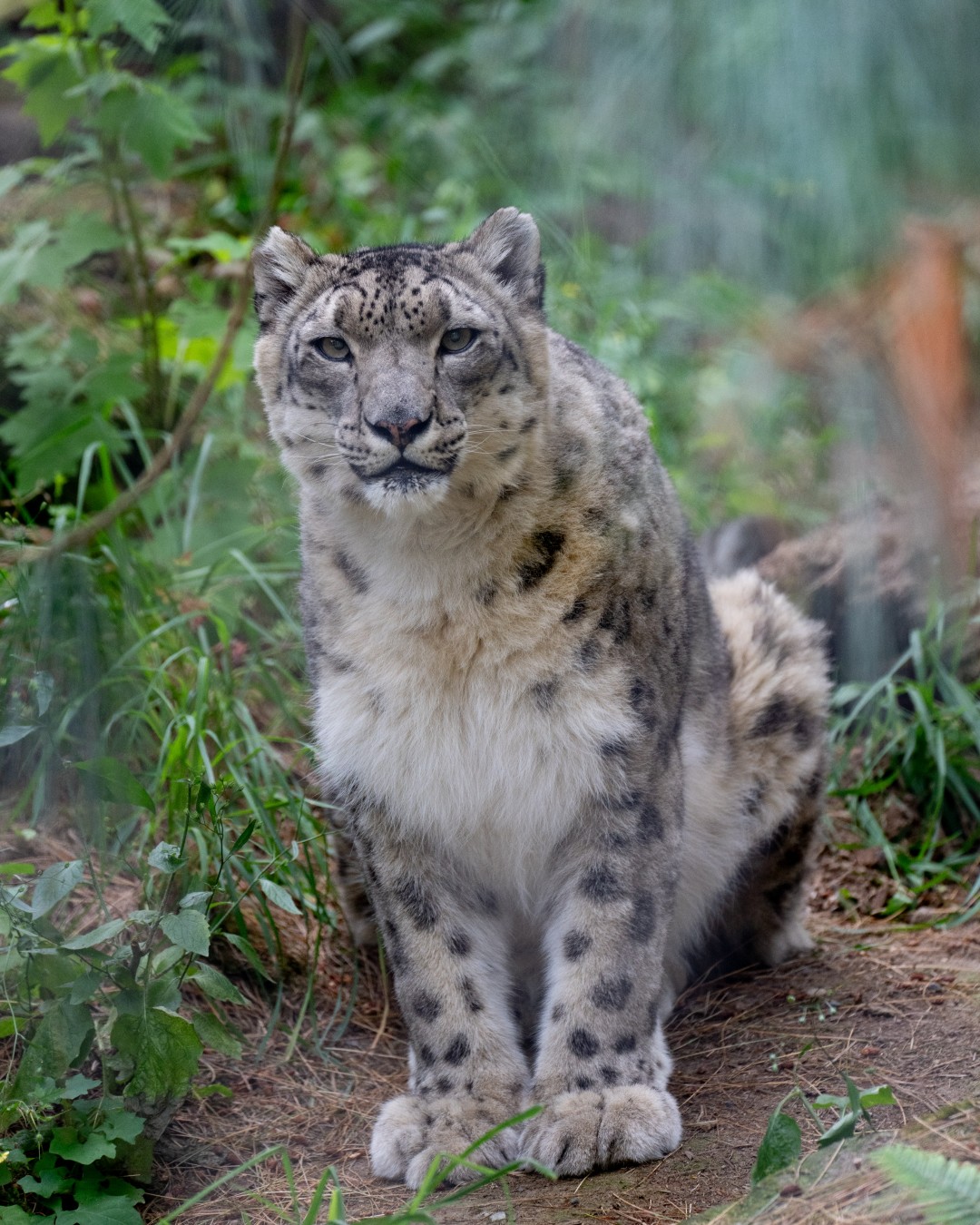
- The legacy of Helen, the matriarch snow leopard, and her contributions to conservation efforts.
- The significance of snow leopard conservation and the role of organizations like the Snow Leopard Trust.
- An exploration of the biological and ecological aspects of snow leopards.
- Insights into zoo management practices for snow leopards, focusing on ethical and health concerns.
- The birth and importance of the new generation of snow leopard cubs.
Helen, the matriarch of the snow leopards at our zoo, was not just another animal in captivity. Her life was a testament to the power of conservation and the dedication of those committed to preserving endangered species. Born and raised in a controlled environment, Helen became an emblem of survival and propagation of her species. With five cubs to her credit, she contributed significantly to the genetic diversity crucial for the well-being of snow leopards. Her lineage now continues with the first birthday of her grandcubs—triplet snow leopard cubs that have captured the hearts of many visitors and staff alike.
Helen was named after Helen Freeman, an influential conservationist who established the Seattle-based Snow Leopard Trust. This connection highlights her place within a broader narrative of wildlife conservation. Freeman’s work laid the foundation for many of today’s efforts to protect the declining populations of snow leopards in their natural habitats. The Snow Leopard Trust, and therefore Helen, are at the forefront of promoting awareness, generating funds, and instituting strategies to help these majestic creatures thrive.
Snow leopards are fascinating from a scientific perspective, exhibiting unique adaptations that allow them to survive in harsh environments. Their thick fur, long tail, and powerful limbs enable them to navigate the rugged terrains of Central Asia. These adaptations are vital for thermoregulation and mobility, making them formidable predators despite their elusive nature. Understanding the biology of snow leopards helps researchers and conservationists develop better strategies for their protection, ensuring that their ecological niche is preserved.
In captivity, managing snow leopards demands a deep understanding of their physical and psychological needs. Zookeepers must maintain a habitat that simulates their natural environment as closely as possible, with ample space for movement and hunting-like behavior. Health assessments are routinely conducted to monitor their well-being, particularly in aging animals like Helen, who was humanely euthanized due to declining health. Ethical considerations, such as humane treatment and end-of-life decisions, are paramount in ensuring the animals’ dignity.
The birth of Helen’s grandcubs signifies hope and the continuation of her legacy. These cubs represent the success of breeding programs designed to boost the snow leopard population, both in captivity and the wild. Breeding efforts are supplemented by genetic studies that aim to avoid inbreeding and maintain healthy, genetically diverse populations. The triplet cubs have brought joy and renewed focus on the need for ongoing conservation efforts to protect their future.
Furthermore, snow leopards are crucial for maintaining ecological balance in their native habitats. As apex predators, they regulate prey populations, preventing overgrazing and ensuring the health of the ecosystem. The decline in their numbers poses a direct threat to the biodiversity of their habitat. Conservation organizations continue to work tirelessly to mitigate these challenges through habitat protection, community engagement, and anti-poaching measures.
Preserving Helen’s legacy and celebrating her lineage requires a collective effort. Engaging with the public through education and storytelling fosters a deeper connection to these animals. Visitors and supporters are encouraged to share their memories and admiration for Helen, contributing to a community of advocates committed to safeguarding snow leopards.
Helen’s life story and the birth of her grandcubs offer valuable lessons in the importance of conservation, scientific understanding, and compassionate stewardship. Her impact, both as a matriarch to her species and a symbol of conservation success, continues to inspire all who are dedicated to environmental preservation. The gratitude expressed by zookeepers and conservationists highlights the profound bond formed between humans and these magnificent creatures, reminding us of our shared responsibility to protect the natural world.
*****
Source Description
Today is bittersweet—for as we celebrate the first birthday of our snow leopard cub triplets, we also mourn the loss of their grandmother Helen, the matriarch of all our snow leopards.
This grand lady, who raised 5 cubs and was 20 years old, was humanely euthanized today due to declining health at her advanced age. Helen was named after the late Woodland Park Zoo staff member, Helen Freeman, a dedicated conservationist and the founder of the Seattle-based @snowleopardtrust.
Please help us remember Helen and share your fond memories of our beautiful matriarch. We’ll be sure to share your tributes with all the dedicated animal keepers and animal health staff who have helped care for her through the years.
You can read more about Helen and her legacy in our latest blog at blog.zoo.org or through the link in our profile.
Image description: A snow leopard sitting amidst green foliage, looking directly at the camera.
