
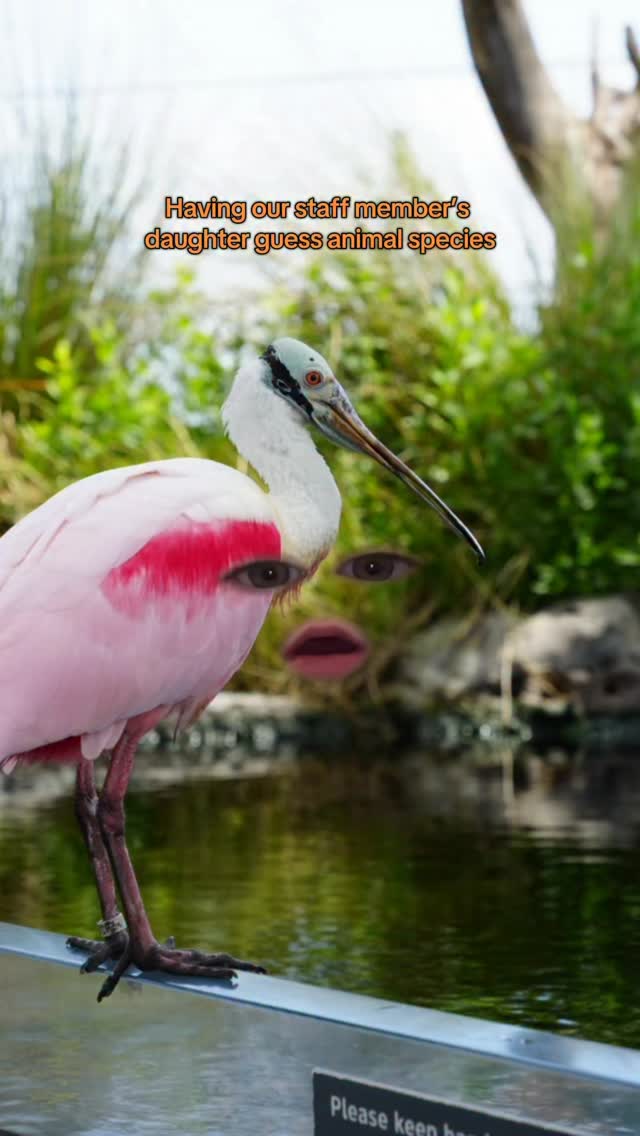
- Understanding the batfish (or “silly little boo bearfish”) and its unique adaptations.
- Importance of preserving marine biodiversity and the role of the batfish.
- Educational initiatives in marine conservation for all ages.
- Community involvement in wildlife and habitat protection.
- Celebrating unique marine species as part of holiday festivities.
The batfish, affectionately referred to as “silly little boo bearfish,” is a captivating species known for its unusual morphology and adaptations. Found primarily in the warm waters off the coast of the Americas, particularly in the Gulf of Mexico, this fish belongs to the family Ogcocephalidae. Its flattened body shape allows it to lay close to the ocean floor, often camouflaging itself among the sand and rocks. The batfish is characterized by its lobed pectoral fins, which it uses to “walk” along the substrate. This behavior is not only fascinating but also highlights the fish’s adaptations to a benthic lifestyle, a significant aspect of their survival.
The batfish is often mistaken for other fish due to its peculiar appearance and swimming style. Unlike many of its relatives that utilize traditional swimming motions, the batfish employs a unique walking motion, pushing itself along the seafloor. This adaptation serves as a highly efficient method for traversing its environment, particularly in search of food. The diet primarily consists of small invertebrates, which the batfish actively hunts using its specialized mouth that can create a suction effect. Understanding these feeding habits provides insight into their role within the marine food web and emphasizes the ecological importance of such species.
Conservation of marine ecosystems is critical for maintaining biodiversity, and the silly little boo bearfish serves as an important indicator species. The health of batfish populations can reflect the overall state of their habitat, meaning that their presence can signal a thriving ecosystem. However, as with many marine species, they face threats from habitat degradation, pollution, and climate change. Protecting these environments is essential not only for the batfish but also for countless other marine organisms. By understanding the needs of this species, we can take informed steps towards conservation efforts that benefit the entire marine community.
Educational initiatives in marine conservation aim to engage learners of all ages, fostering a deep connection to nature. Programs that highlight the silliness of the bearfish, among other species, are designed to be approachable and fun. These initiatives often include interactive lessons, virtual offerings, and onsite programming, all tailored to make learning about wildlife exciting. Videos and YouTube Shorts can bring the world of marine biology to life, allowing students to observe these fascinating creatures in their natural habitat while providing essential information on conservation practices.
Community involvement plays a critical role in wildlife protection efforts. Engaging local communities not only facilitates awareness but also cultivates a sense of responsibility towards the environment. Hands-on activities, such as beach clean-ups or marine education workshops, invite individuals to actively participate in conserving the habitats of species like the silly little boo bearfish. When families come together to learn about the marine ecosystem, it fosters a culture of stewardship that benefits both the community and the larger environment.
As the holiday season approaches, it is a wonderful time to celebrate marine diversity. Special events that highlight species such as the pink nosebills and horseshoe crabs can create memorable experiences for children and families. Encouraging kids to name these species cultivates curiosity about wildlife and enhances their appreciation for nature. Including marine themes in holiday activities not only entertains but also educates, helping to instill a lifelong respect for the environment.
Throughout these educational efforts, it is important that accurate scientific information is disseminated. The preservation of species like the silly little boo bearfish directly relates to the health of marine ecosystems. Their survival reflects a complex web of interactions, including the roles of predators, prey, and environmental conditions. Monitoring batfish populations can yield valuable data regarding oceanic health, prompting conservationists and scientists to take actionable steps in preserving their habitats.
Moreover, the conservation work involving sea turtles provides another lens through which individuals can appreciate the interconnectedness of marine life. Initiatives authorized by the SC Department of Natural Resources, such as the Marine Turtle Permit, exemplify institutional commitment to protecting vulnerable species. These efforts can inspire similar protective measures for batfish and other marine organisms that share their environment.
Educators play a vital role in bridging the gap between scientific knowledge and public awareness. Incorporating real-world examples, like the silly little boo bearfish and its habitat, into classroom discussions makes these topics relatable. Utilizing technology, educators can create interactive learning experiences that captivate students’ interests. Whether through digital simulations that depict the batfish’s unique locomotion or storytelling that brings their habitat to life, innovative methods work to deepen comprehension of essential principles in marine biology.
As awareness of environmental issues increases, so does the demand for more hands-on conservation practices. Schools and organizations can collaborate on projects that involve monitoring local environments, assessing water quality, and participating in conservation efforts. These activities build a foundation for understanding ecological balance while empowering individuals to take initiative. The combination of knowledge and action is what drives real progress in preserving delicate ecosystems.
Engaging storytelling also contributes significantly to conservation education. By sharing personal anecdotes about encounters with the silly little boo bearfish or experiences at marine sanctuaries, individuals can inspire others to appreciate marine life. Integrating storytelling into educational programs encourages emotional connections to wildlife and nature, making conservation efforts more meaningful.
Furthermore, celebrating marine species in festive contexts, such as naming activities for the holidays, creates an atmosphere that blends learning with enjoyment. This method encourages curiosity among children, prompting questions and discussions about the wonders of the ocean. It demonstrates that education need not be a chore but can coexist with spontaneous joy and creativity.
Seizing opportunities to learn about marine biodiversity and conservation allows individuals to contribute positively to the environment. Whether it’s through formal education, community engagement, or family activities, promoting awareness of species like the odd yet charming batfish cultivates a culture of respect for the oceans. This holistic approach ensures that understanding and action go hand in hand as we strive to protect all life forms.
Through consistent education, community action, and a celebratory atmosphere, we can cultivate a generation that honors the natural world. The silly little boo bearfish, with its endearing characteristics and vital ecological role, continues to capture imaginations. By elevating such species in the public consciousness, we increase support for conservation initiatives, ensuring the health of our oceans for years to come.
*****
Source Description
Don’t mind us, we’ll just be referring to batfish as “silly little boo bearfish” from now on 🦇
This smart cookie knows her stuff, and we’re here to help provide environmental education for your learners as well! Whether through our classroom lessons, virtual offerings, onsite programming, YouTube Shorts and more, all ages thrive when connecting with the natural world 🌎
Come say hello to our pink nosebills and horseshoes this holiday! What would your kids name these species? 👇💙
.
.
.
All sea turtle conservation work is authorized by the SC Department of Natural Resources Marine Turtle Permit No. 2025-0004
