
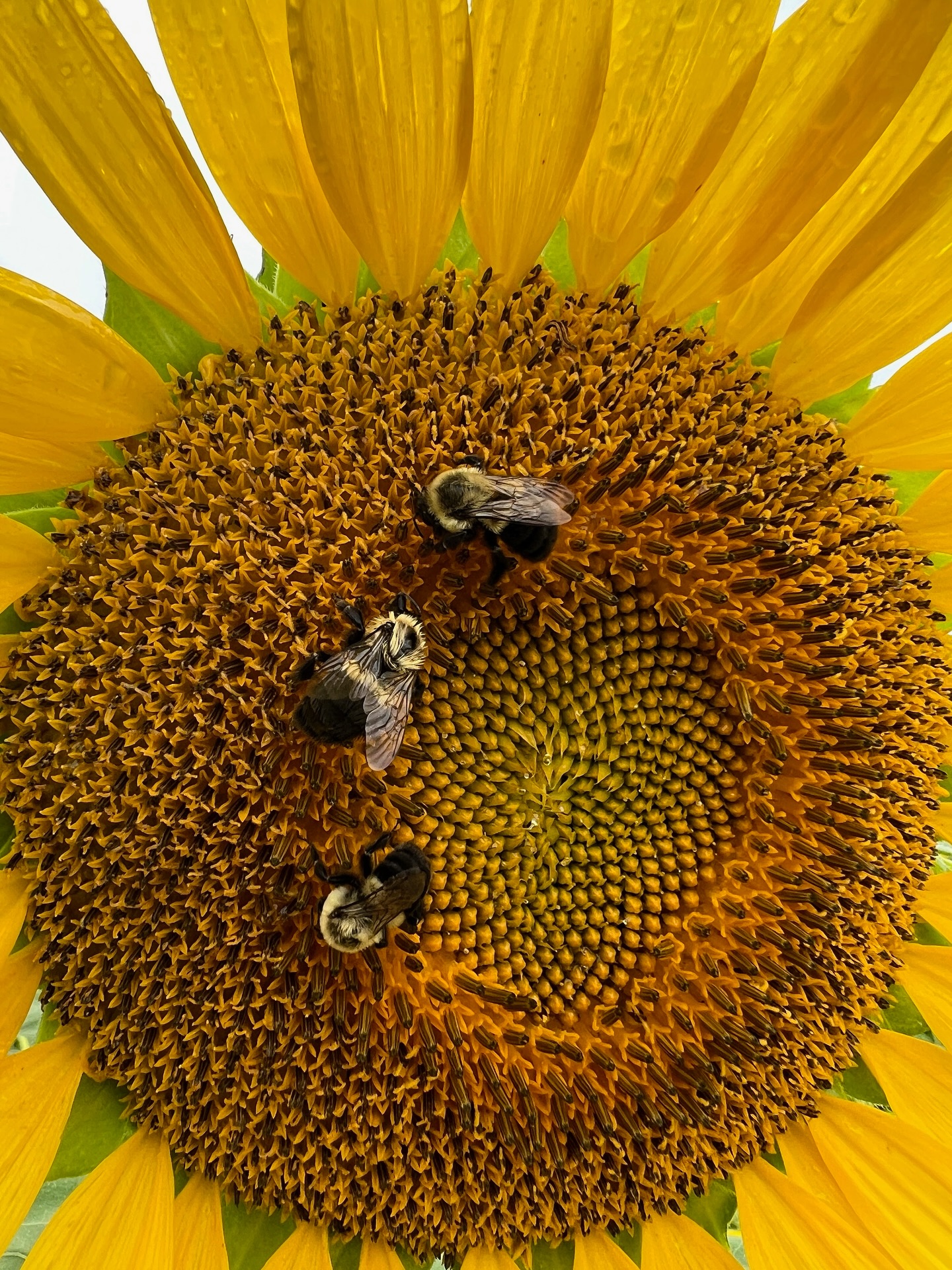
- Pollinators’ role in ecosystems and agriculture
- Diversity of bee species in North Carolina
- Importance of conserving native bee populations
- Strategies for protecting and supporting pollinators
- The connection between bee health and food security
Pollinators are crucial for the reproduction of approximately 40% of all flowering plant species in North America. This statistic highlights the essential role these insects, especially bees, play in maintaining the health of ecosystems and ensuring a stable food supply. Bees, along with other insects like wasps, facilitate the transfer of pollen from one flower to another, promoting fertilization and seed production. As such, they are significant contributors to biodiversity, agricultural productivity, and the overall health of our environment.
North Carolina is particularly noteworthy for its rich diversity of native bee species, boasting more than 500 varieties. This high number emphasizes the ecological importance of bees within this state and underscores the need to learn about, appreciate, and conserve these vital pollinators. Each of these native species has adapted to the local flora, developing unique behaviors and preferences that enable them to thrive in their specific environments.
The importance of conserving native bee populations cannot be overstated. Bees face numerous threats, including habitat loss, pesticide exposure, climate change, and diseases. These challenges have led to declines in bee populations across North America. Protecting these species is essential not only for preserving biodiversity but also for ensuring the sustainability of our food systems. A decline in bee populations could result in reduced crop yields and less diverse diets for humans and wildlife alike.
Practical strategies must be implemented to protect and support pollinators. Homeowners and land managers can contribute by planting native flowers, reducing pesticide use, and creating bee-friendly habitats. Initiatives aimed at educating the public about the importance of bees and pollinators can inspire further conservation efforts.
The interplay between bee health and food security is evident. As bees decline, so too do the crops that rely on them for pollination. Fruits, vegetables, nuts, and seeds are all heavily dependent on bee activity. Engaging in habitat restoration, sustainable agricultural practices, and raising awareness are essential steps toward safeguarding bee populations and, by extension, our food supplies.
Pollinators are more than simple insects; they are essential components of ecological balance and agricultural success. Understanding their importance can inspire collective action and dedication to their conservation.
*****
Source Description
They’re great pollinators, bee-lieve us! 🐝
Roughly 40% of all flowering plant species in North America need insect pollination for reproduction. This means that pollinators like bees (and wasps!) are critical contributors to the health of our ecosystems and a sustainable food supply.
North Carolina alone is home to more than 500 native species of bees, so come learn more about them this
