
- Zoo management and maintenance tasks
- Importance of animal habitats and species well-being
- Guest experiences during ongoing maintenance
- Future improvements and conservation efforts
- Community engagement and awareness
The management of a zoo extends far beyond mere animal care. Constant maintenance is vital to ensuring both animal welfare and an enjoyable experience for visitors. The procedures involved require ongoing assessment and improvements. This article highlights various maintenance activities scheduled in the coming weeks and how they affect guests and the animals themselves.
The first major item on the list pertains to the upkeep of the Arctic Waters habitat. This area, which plays a crucial role in the life of Polar bears, is temporarily closed for necessary maintenance work. Even though access to this habitat is restricted, the resident polar bear, Anana, remains in a different area—the Tundra habitat. This habitat is designed to mimic the natural environment of polar bears closely, providing them with the space and enrichment they need. Careful attention during maintenance ensures that the habitat remains suitable and safe for Anana and serves as an educational experience for guests when it reopens.
The Shani Loop, known for its stunning views of the Watani Grasslands, will be closed for several days starting June 17th for repairs and upgrades. This space is a favorite for observing nature, including the unique wildlife that inhabits the grasslands. To accommodate visitors during this time, the zoo recommends taking a Zoofari tour, which offers an immersive experience on the Watani Grasslands. This allows guests to see the animals in their naturalistic habitats while providing insightful information about their behavior and ecology.
Furthermore, the elephant habitat will also be temporarily closed for maintenance beginning on June 23rd. This period is essential for habitat assessments and making necessary modifications based on the elephants’ behavioral needs. When visitors are unable to watch the elephants, they can enjoy giraffe feeding at the Acacia Station Giraffe Deck. This experience not only allows guests to interact with these majestic animals but also includes the opportunity to spot zebra and ostriches nearby, enhancing the overall engagement with the richness of wildlife.
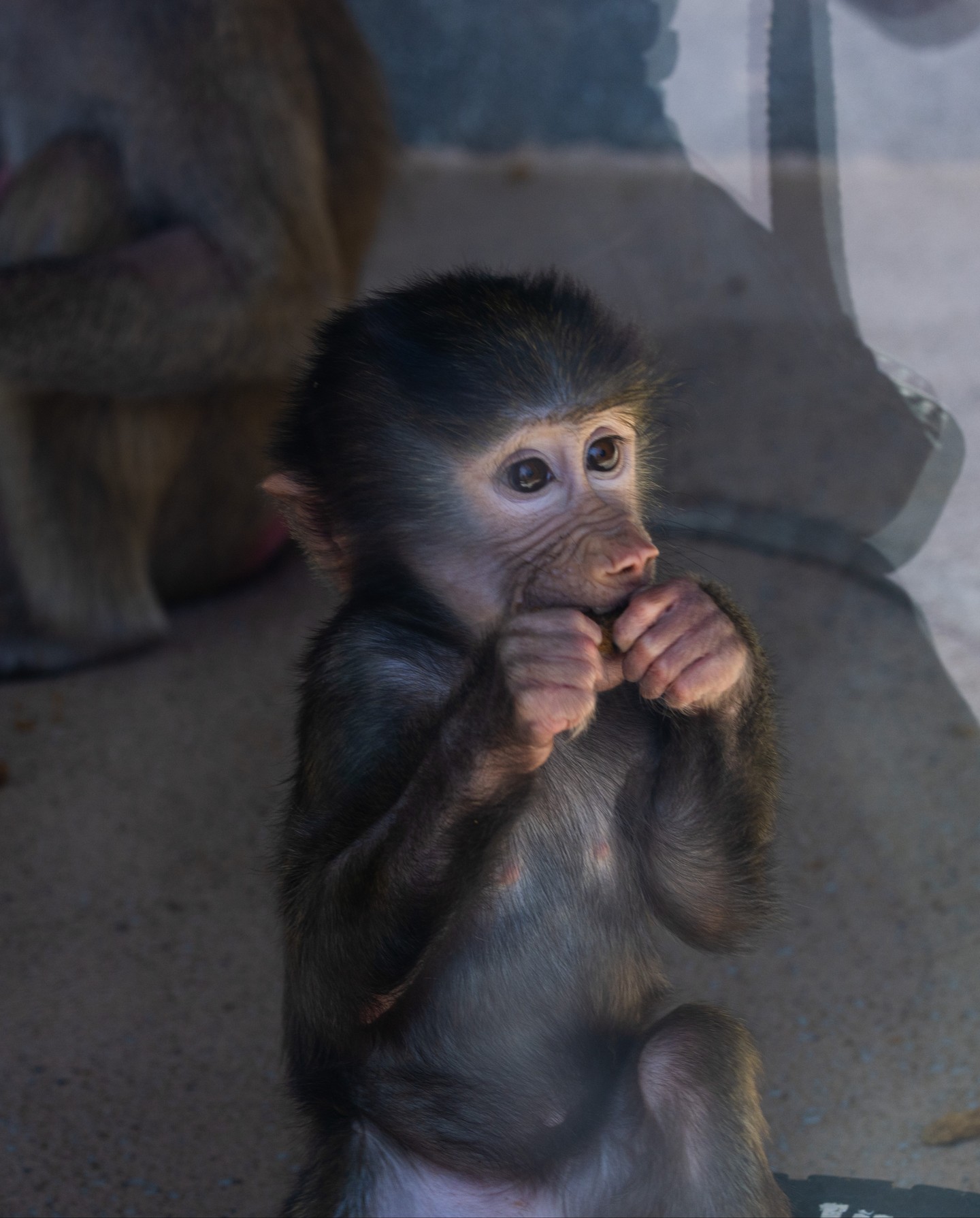
Similarly, the gorilla habitat will close on June 23rd for maintenance work. During this time, zoo guests are encouraged to visit the baboon habitat. Baboons are known for their social structures and lively interactions, making them particularly engaging for visitors. Counting the young baboons provides entertainment, and observing their behavior offers educational value, highlighting the differences between species.
The maintenance tasks involved in running a natural habitat zoo are comprehensive. They include structural repairs, habitat enrichment, and ecological assessments. Each of these elements contributes to the overall mission of creating a safe, engaging space for both animals and guests. The care dedicated to animal habitats cannot be overstated. Each species has specific needs, and meeting these needs is essential for their well-being.
Environmental conditioning is a significant aspect of zoo management. For instance, polar bears require a cold climate, while elephants prefer warm, open spaces. The variety of habitats mimics these conditions as closely as possible. This approach helps keep animals stress-free, promoting healthy behaviors. Moreover, educational programs for visitors further enhance understanding about different species and their needs.
As the zoo carries out these essential improvements, it remains committed to its role in conservation. Ongoing habitat assessments contribute to the conservation of endangered species by promoting a better quality of life and breeding success. By ensuring these animals thrive in suitable environments, the zoo enhances population stability and offers protection from habitat loss in the wild.
Guests play an important role in zoo conservation efforts as well. Visiting the zoo contributes to funding and supports initiatives aimed at wildlife preservation. The output of ticket sales often funds educational outreach programs, research, and direct action to protect habitats globally. By participating in special experiences like the Zoofari tour or engaging with the feeding programs, visitors become part of conservation efforts, building awareness and advocating for animal rights.
Community engagement also cannot be overlooked. The zoo is not just a destination; it is a resource for the community. It provides classes, workshops, and informal educational events focused on wildlife and conservation topics. These initiatives foster a connection to the natural world, inspiring people to take action in their daily lives.
For people interested in zoology and wildlife conservation, the operations of a zoo present a wealth of learning opportunities. Understanding animal behavior, habitat requirements, and ecological balance is crucial to promoting global conservation efforts. By highlighting challenges faced by wildlife and the importance of maintaining biodiversity, zoos educate the public on pressing environmental issues.
The zoo of today faces an array of challenges, from habitat destruction to climate change. Redesigning habitats within the zoo to align with conservation goals reflects a proactive approach to these threats. Frequent maintenance and updates help combat the ongoing turmoil many species face in their habitats. Staying ahead of these challenges is crucial for ensuring the zoo continues its mission effectively.
Zoo maintenance schedules are not just about fixing structures; they also revolve around evaluating animal health and satisfaction. Periodic assessments allow for identifying stressors among animals and implementing strategies to alleviate those pressures. Improved habitats contribute to emotional and physical well-being, influencing breeding success and longevity.
Animal welfare is a priority. Each maintenance operation is planned with the intent of minimizing disruption. By providing alternative habitats or enrichment activities during closures, the zoo prioritizes the animals’ needs while completing necessary work. Working collaboratively with a qualified team of veterinarians and zoologists ensures that any interventions are based on scientific research and best practices.
As visitors navigate their experiences, the zoo aims to communicate clearly about ongoing projects. Timely updates and thoughtful engagement opportunities keep the community informed and invested. This year, as species around the world face increasing threats, the zoo’s commitment to maintain and improve habitats signals hope and dedication.
The upcoming weeks hold substantial opportunities for community involvement and learning. With various habitats temporarily closed for maintenance, guests are encouraged to explore other areas of the zoo. The dynamic nature of zoo management reflects a continual striving for improvement—both in animal habitats and visitor experiences.
By keeping vital information readily available, guests can better plan their visits around what is open and what experiences await them during maintenance periods. Observing animals, engaging in educational programs, and participating in feeding sessions offers guests an enriching experience. Understanding that maintenance is essential conveys a sense of shared responsibility for the well-being of the animals and the facility.
As the world’s largest natural habitat zoo, we embrace the challenges and rewards that come with maintaining such an extensive living collection. The aim is to create a balanced environment for all inhabitants—whether they walk on two legs or four. With ongoing maintenance and operational updates, both animals and guests benefit from a thriving ecosystem dedicated to education, conservation, and inspiration.
We hope everyone understands the impact of these maintenance efforts. Your continued support fuels our mission. Together, we work not only to provide a wonderful experience but also to safeguard wildlife for future generations. Every visit contributes to a greater good, ensuring that the essence of wildlife remains vibrant and protected. Thank you for being part of this journey.
*****
Source Description
🚨 Zoo Update Alert 🚨 As the world’s largest natural habitat Zoo, we have a LOT of space! 🌳 So, that calls for constant care and maintenance within the Park. 🛠️ From animal habitats to guest areas, there is always something we are working to improve! To best help you plan your next Zoo visit, we want to share with you what is happening here over the next few weeks! 🗓️
🐻❄️ The Arctic Waters habitat at Polar bear is closed for maintenance. Don’t worry, Anana will still have access to the Tundra habitat.
🦏 Shani Loop, which overlooks the Watani Grasslands, will be closed a few days for maintenance starting June 17th. Instead, consider hopping on a Zoofari tour to venture onto the Watani Grasslands habitat instead!
🐘 Elephants will be off habitat for a few days beginning on June 23rd. Consider stopping by the Acacia Station Giraffe Deck to feed the giraffes. 🦒 While you’re there, look for the zebra and ostriches!
🦍 Gorillas will be off habitat beginning on June 23rd for habitat maintenance. Instead, hang around the baboon habitat and count how many young ones you can spot out and about!
✨We thank you for your patience and understanding!✨
