
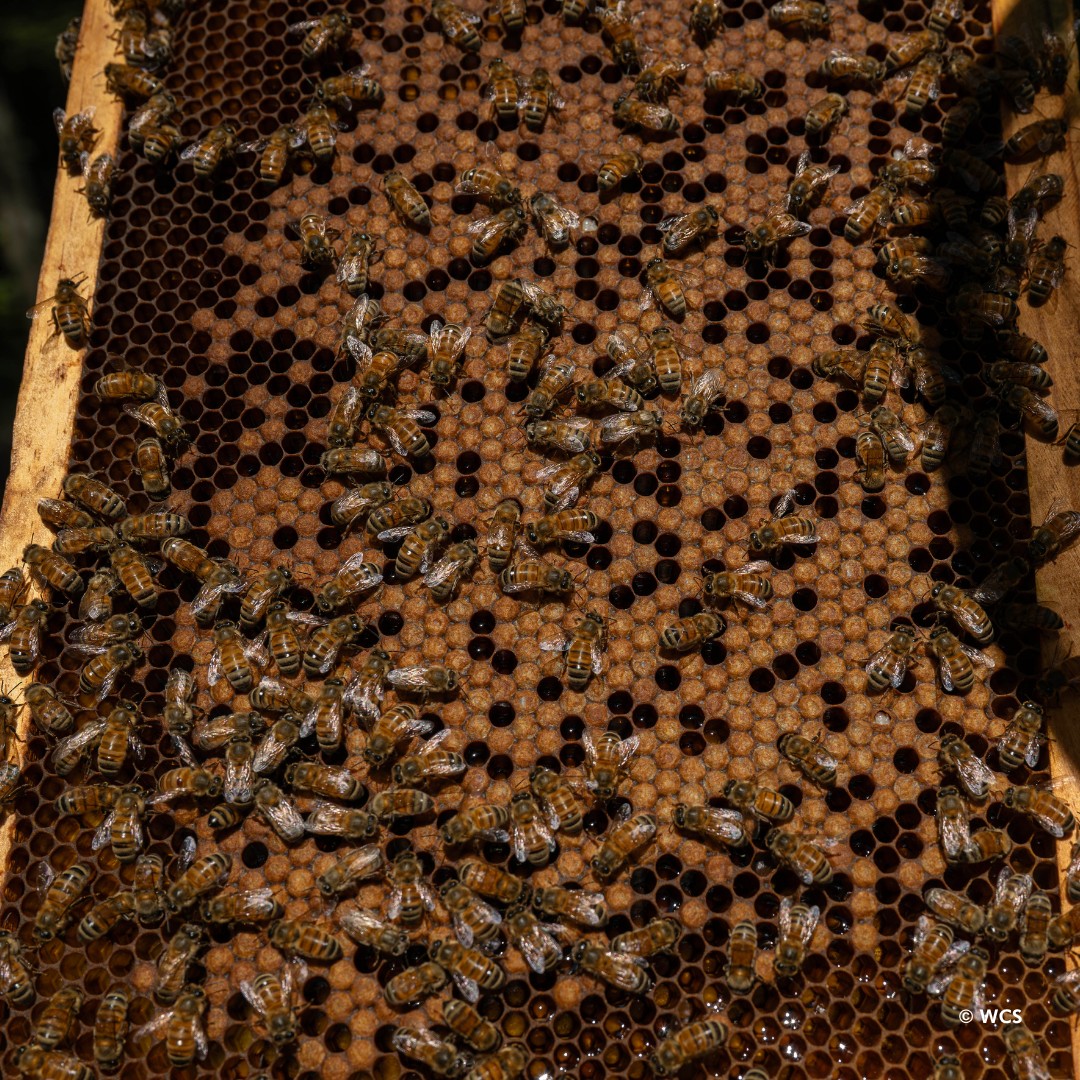
- Bees are essential for pollination and sustaining flowering plants.
- The impact of bee species on food production and human diets.
- The collaborative efforts to maintain bee habitats in urban environments.
- The significance of bees in ecosystems and biodiversity.
- The role of honeybees at Prospect Park Zoo in conservation and education.
Bees are fundamental to the survival of many flowering plants. They serve as prominent pollinators, transferring pollen from one flower to another and facilitating fertilization. This process is vital for plant reproduction. Without bees, many plants would struggle to produce fruit and seeds, leading to a significant decline in plant populations.
Globally, thousands of bee species contribute to sustaining diverse plant ecosystems. They have intricate relationships with flowering plants, ensuring genetic diversity and resilience within these habitats. As bees visit flowers to collect nectar, they inadvertently pick up pollen and transport it across various plants, creating hybrids and facilitating genetic mixing. This process is crucial for the adaptability and sustainability of plant species, making bees indispensable to natural ecosystems.
The influence of bees on food production cannot be overstated. It’s estimated that one-third of the food consumed by humans relies on pollinators, primarily bees. This includes a wide variety of fruits, vegetables, and nuts, such as apples, almonds, and blueberries. Each of these crops depends on bee pollination for optimal yield. Studies have shown that crops pollinated by bees produce larger and more abundant fruit, directly impacting agricultural success and food supply. Therefore, the role of bees in our diets extends beyond mere production; it has profound implications for economies and public health.
Bees also face threats from various sources. Habitat loss, pesticides, climate change, and disease contribute to declining bee populations. Preserving their environments is essential for maintaining biodiversity and ensuring continued food production. Efforts to protect and restore habitats can significantly bolster bee populations. This includes planting native flowers, creating bee hotels, and minimizing the use of harmful pesticides. Such initiatives not only support bee conservation but also enhance the overall health of local ecosystems.
Urban areas, like the one surrounding Prospect Park Zoo, can serve as potential sanctuaries for bee populations. The collaborative efforts between zoo staff in the Education and Animal Care departments exemplify how urban institutions can play a vital role in bee conservation. By maintaining honeybee hives within the zoo, staff can create an environment where bees thrive while educating visitors about their importance.
At Prospect Park Zoo, the honeybees contribute significantly to the maintenance of the zoo’s gardens. While collecting nectar, they pollinate various flowers, enhancing the visual landscape and promoting a diverse range of flora. This not only beautifies the zoo but also creates a lively ecosystem that supports numerous animal species. Pollinated plants provide food and shelter for many animals, thereby fostering biodiversity.
In a successful season, the bees at Prospect Park Zoo have been able to yield an impressive fifty pounds of honey. This honey serves as an educational tool, demonstrating the benefits of bees in a tangible form. Visitors can explore the process of honey production and gain insight into the essential role that bees play in food systems. By showcasing live observations and hosting informative sessions, the zoo cultivates awareness of conservation issues, encouraging a greater appreciation for these industrious insects.
Bees also promote sustainability in gardens and agricultural practices. In backyard gardens and urban farms, the presence of bees leads to healthier plants and improved crop diversity. Many gardeners recognize the importance of creating bee-friendly environments. This can include planting a variety of flowers that bloom sequentially, providing bees with continuous sources of nectar and pollen throughout different seasons. By embracing sustainable gardening practices, individuals contribute to building resilient ecosystems, which, in turn, support bee populations.
The complexity of bee ecology is another significant aspect worth noting. Different bee species have varying preferences for flowers, nest types, and foraging habits. For example, solitary bees often nest in the ground or in wood, while honeybees prefer to live in colonies. This diversity underscores the importance of preserving a range of habitats to accommodate different species. Therefore, conservation efforts must consider the varying needs of bee species to foster thriving populations.
Education plays a crucial role in bee conservation as well. Raising awareness about the challenges facing bees encourages communities to take action. Schools and local organizations often lead initiatives to educate the public about the significance of bees in ecosystems. Programs that engage young people can instill a sense of responsibility towards the environment, nurturing future generations of conservationists. Through workshops, field trips, and interactive activities, participants learn how to create bee habitats, monitor bee health, and advocate for pollinator protection.
The interdependence between bees and flowering plants emphasizes the need for comprehensive policies advancing pollinator protection. Governments, organizations, and individuals can work collaboratively to implement strategies that mitigate threats facing bees. These strategies may include restricting pesticide use, protecting and restoring habitats, and promoting sustainable agricultural practices. Engaging local communities in these discussions ensures that a wide array of perspectives is considered, fostering inclusive solutions.
Research into bee behavior and health also drives the conversation around conservation. Scientists are continuously exploring the various factors contributing to bee population declines. This research includes studying the impacts of pesticides, habitat loss, disease, and climate change. Understanding these dynamics empowers conservationists to devise practical responses to protect bees. By gathering data on bee populations, researchers can also assess the effectiveness of conservation strategies.
Participating in citizen science initiatives is another way individuals can aid bee preservation. Many community-based programs encourage local residents to monitor bee populations and collect data on sightings. This information can contribute to research efforts, helping scientists identify trends and assess the health of regional bee populations. Through these initiatives, everyday citizens become active participants in conservation, bridging the gap between science and public engagement.
Maintaining plant diversity in ecosystems is critical for human survival and ecological health. Bees not only support flowering plants but also play a vital role in the intricate web of life that sustains biodiversity. Their interactions foster food systems, promote genetic diversity, and contribute to resilient ecosystems. As stewards of the environment, it is our shared duty to protect these valuable pollinators.
The vibrant activities at Prospect Park Zoo are a testament to the importance of bees in maintaining biodiversity. The collaboration between zoo staff and honeybee habitats exemplifies the impact urban institutions can have on conservation. Not only do bees enhance the beauty of the zoo’s landscapes, but they also provide a wealth of educational opportunities for visitors.
Conservation efforts centered on bees can yield significant benefits, not only for plants but also for the broader ecosystem and human society. By implementing strategies to support bee populations, educating communities, and promoting sustainable practices, we contribute to the health of our planet. Together, we carry the responsibility of ensuring that future generations can enjoy the myriad benefits that bees bring to the environment.
*****
Source Description
Bees are vital to maintain plant diversity in many ecosystems. Thousands of bee species around the world are crucial to sustain flowering plants, including many of the fruits, vegetables, and nuts that we eat.
Bees also play a role in sustaining the beautiful gardens at Prospect Park Zoo. A team of zoo staff from our Education and Animal Care departments collaborate to care for the zoo’s honeybee hives. The bees pollinate our flowers as they collect nectar for food. This season, our bees allowed us to harvest fifty pounds of honey!
📸: WCS photographer, Terria Clay
