
- The nutritional benefits of pumpkins for animals.
- The role of enrichment activities in animal care.
- The importance of partnerships with farms and donor organizations.
- The ecological impact of using pumpkins in animal habitats.
- How zoos promote wildlife conservation through hands-on experiences.
Pumpkins are often seen as a seasonal delight for humans, particularly during the fall. However, their significance extends beyond the holiday festivities, serving as a nutritious and engaging food source for various animal species. When I say I really like pumpkin, this is what I mean. This colorful gourd is not just a decoration; it provides numerous health benefits for animals in controlled environments, like zoos.
One of the primary reasons pumpkins are used in animal diets is their rich nutritional profile. Pumpkins are low in calories yet packed with vitamins and minerals. They are an excellent source of dietary fiber, which aids digestion in many species. This is particularly beneficial for herbivores, who require high-fiber diets to maintain gut health. Moreover, pumpkins are loaded with vitamins A, C, and E, all of which play critical roles in boosting the immune system. Vitamin A, for example, is essential for vision and skin health, critical for animals experiencing stress from captivity or seasonal changes.
In addition to their nutritional value, pumpkins can serve as hydration sources due to their high water content. Hydrated animals are generally healthier and experience lower stress levels. Many animals, like rabbits and tortoises, benefit from extra hydration during warm weather. This added moisture helps maintain their overall health and reduces the risk of dehydration.
However, simply providing animals with pumpkins is not enough. The concept of enrichment comes into play here. Enrichment activities are essential for promoting natural behaviors in animals, which helps enhance their physical and psychological well-being. When animals engage with their environment, they exhibit behaviors like foraging, exploring, and manipulating objects. These activities are crucial in reducing stress and preventing boredom, especially in species that thrive on social interactions or complex environments.
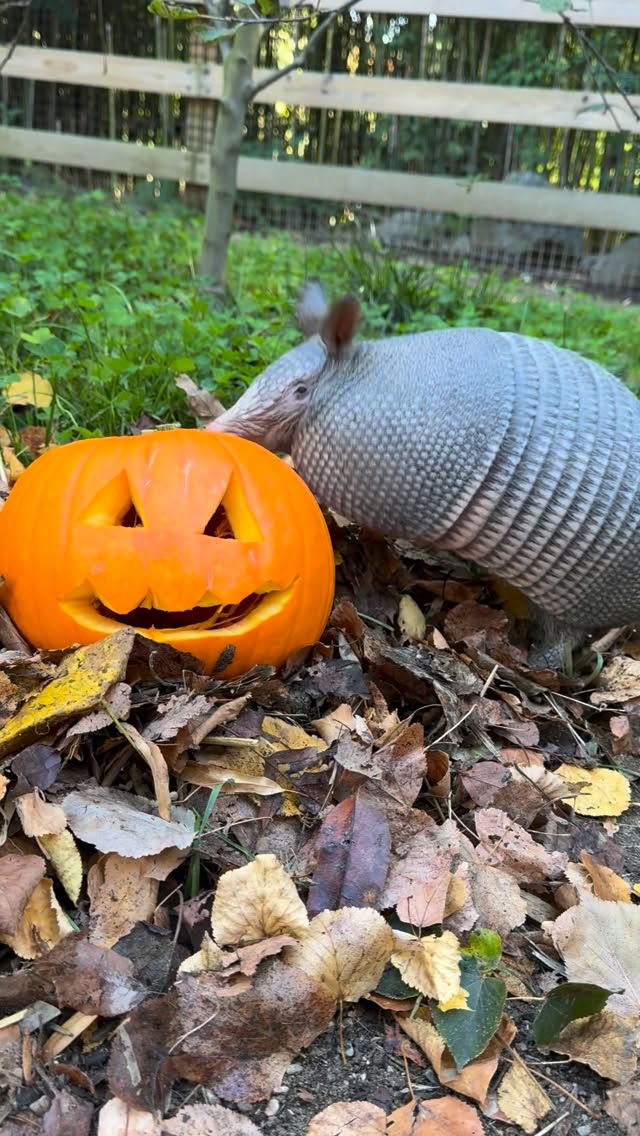
Carving pumpkins into playful shapes and filling them with freshly harvested buggy treats, as was done at the zoo, is a brilliant example of enrichment. This type of hands-on experience allows animals to engage in the same behaviors they might in the wild, such as digging, sniffing, and exploring. The act of foraging for treats encourages mental stimulation, enhancing their cognitive abilities while making their experience enjoyable.
Education is also a vital factor in animal enrichment. When visitors see armadillos or other species interacting with pumpkins, it ignites curiosity and interest. Animal care staff can explain the disparate roles these activities play in animal welfare. They can share that providing pumpkins is more than just a festive activity; it’s part of a comprehensive care strategy that promotes the animals’ overall health and happiness.
Partnering with farms and organizations is vital for successful animal care practices. Thanking @confredafarms for generously donating pumpkins highlights the importance of community involvement. These partnerships allow zoos to source food and enrichment items sustainably. It also fosters goodwill within the community, encouraging more people to engage in wildlife conservation efforts. Such partnerships often lead to educational initiatives where local farms can learn about animal care and conservation efforts conducted at zoos.
The ecological impact of using pumpkins and other agricultural by-products is significant. When these items are incorporated into animal diets, they reduce waste and promote sustainability. By giving pumpkins that would otherwise go unused, zoos contribute to ecological balance. This practice aligns with overall zoo objectives that emphasize conservation, education, and sustainability.
Moreover, using pumpkins in animal exhibits fosters a conversation about the importance of plant-based nutrition. By showcasing fruits and vegetables’ roles in animal care, zoos can inspire visitors to reflect on their dietary choices. This bodes well for conservation as it promotes plant-rich diets among humans, aligning personal health with environmental stewardship.
Wildlife conservation is often best achieved through hands-on experiences. When people observe animals engaging in natural behaviors, they better understand the needs of wildlife. Engaging with pumpkins not only provides entertainment but also encourages respect for animals and promotes responsible stewardship of our planet. It’s through these connections that public interest can translate into support for conservation initiatives.
Educational programming can further amplify the effects of using pumpkins in animal care. Schools and community groups can be invited to interact with the animals during these enrichment activities. This engagement reinforces knowledge about biodiversity and habitat preservation and fosters empathy for wildlife.
The collaboration between zoos and farms also opens doors to further innovation in animal care. As a result, zoos can expand their commitment to sustainability while deliciously treating their animals. The act of creating enriching environments doesn’t just benefit the animals; it resonates with visitors, making them advocates for conservation through their newfound knowledge.
This multi-faceted approach to using pumpkins in zoos emphasizes the importance of community, the ecological impact of sustainability, and educational outreach. Seasonal activities can serve as powerful tools for both animal care and conservation efforts. As visitors leave, they carry with them a deeper understanding of wildlife and the responsibilities that accompany conservation.
In essence, when I say I really like pumpkin, it encompasses much more than enjoyment. It represents a commitment to animal welfare, ecological sustainability, and community engagement. Abundant in their nutritional value, enhancing animal well-being, and offering educational opportunities, pumpkins are more than festive decoration; they are vital for the health and happiness of zoo inhabitants.
As we continue to engage in practices like enriching animal diets with pumpkins, let us recognize the ripple effects of our choices. Every season brings the opportunity to reflect on our responsibility to wildlife. Through partnerships with local farms, educated outreach efforts, and sustainable practices, zoos can lead the way in promoting not just animal welfare but also the health of our planet. Together, we can cultivate a strong sense of environmental stewardship, one pumpkin at a time.
*****
Source Description
When I say I really like pumpkin, this is what I mean 🎃 Our armadillos had a real gourd time carving into their pumpkin enrichment filled with buggy treats 😋
Thank you @confredafarms for generously donating pumpkins for our animals to enjoy again this year! 🧡
