
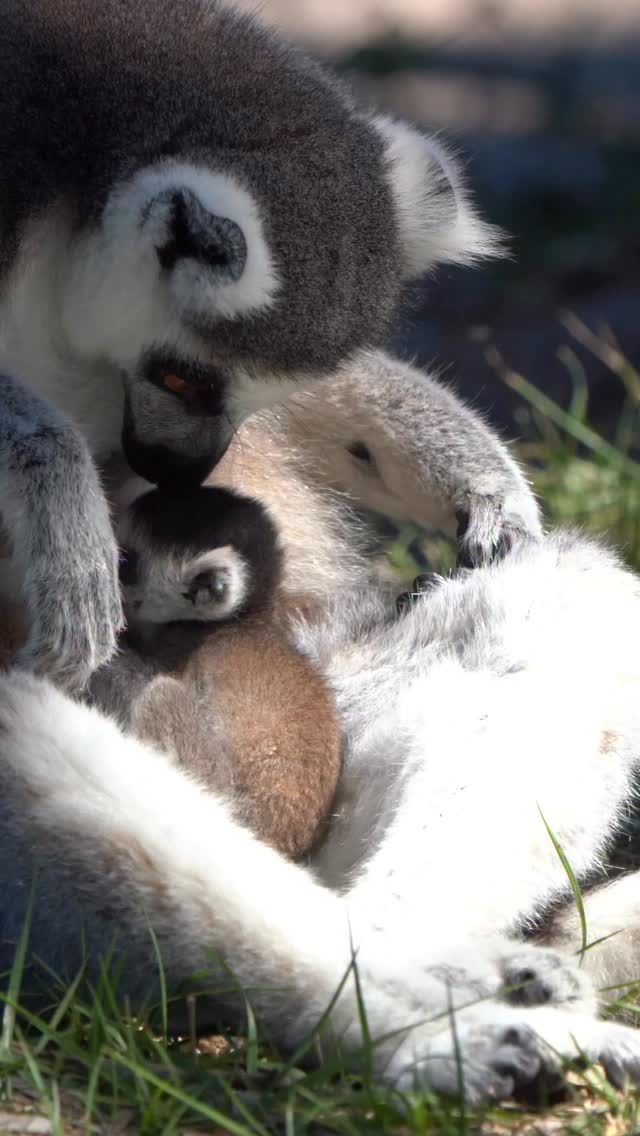
- Understanding the role of positive reinforcement in animal training.
- The significance of health monitoring in pregnant animals.
- How radiographic examinations are performed in zoo settings.
- The importance of keeper-animal relationships in veterinary care.
- The connection between animal welfare and successful breeding programs.
The importance of positive reinforcement in animal training cannot be overstated. It serves as a fundamental concept in achieving desired behaviors in animals through methods that prioritize understanding and cooperation. In the case of PJ, a mother preparing for her pregnancy, keepers implemented a training program that utilized positive reinforcement to teach her to voluntarily stand on a platform. This training involved rewarding PJ when she displayed the behavior the keepers sought, which required patience and consistency from the team.
Positive reinforcement establishes trust and a sense of security between the animal and its handler, making it easier for the animal to cooperate with necessary procedures. When animals are conditioned to respond positively to training sessions, they exhibit reduced stress levels and improved overall well-being. This method is essential in zoo environments, where animals often encounter unfamiliar situations. By fostering a comfortable atmosphere through training, caregivers can facilitate smoother experiences for the animals, particularly in high-stress scenarios like medical examinations.
Health monitoring plays a crucial role in ensuring the well-being of pregnant animals. Regular check-ups and assessments allow veterinarians and keepers to maintain a close watch on both the mother’s health and the developing fetus. When PJ was pregnant, her keepers focused on comprehensive health check-ups to track her progress. They closely monitored her nutrition, behavior, and physical condition, providing necessary adjustments to her care as her pregnancy advanced.
Such monitoring is vital for early detection of any potential issues. Conditions such as gestational diabetes or nutritional deficiencies can jeopardize both the mother’s and the offspring’s health. By employing techniques like positive reinforcement training, keepers can make examinations less daunting for the animals, which ultimately encourages more accurate health assessments.
Radiographic examinations also play a pivotal role in monitoring pregnant animals. These examinations provide essential insights into the health status of the mother and her developing fetus. The process involves the use of X-rays to visualize internal structures, allowing veterinarians to assess the growth and development of the fetus.
When Dr. Kelsie arrived for PJ’s actual radiographic exam, the training she had undergone was evident. By this time, PJ had grown accustomed to standing on the examination platform, maintaining the necessary position for X-ray procedures without undue stress. The environment created by the keepers helped her feel secure during what could have otherwise been a stressful experience.
The importance of a strong caregiver-animal relationship cannot be underestimated in veterinary care. The bond formed between keepers and the animals they care for significantly impacts the animal’s responses to training and medical procedures. In PJ’s case, the positive interactions with her keepers built a foundation of trust. This trust allowed for better cooperation when Dr. Kelsie needed to conduct her examination, thus ensuring a thorough assessment of PJ’s health during pregnancy.
Aside from building rapport through training, understanding animal behavior is also crucial. Each animal has distinct characteristics and preferences, which influence their responses to various stimuli. A deeper understanding of species-specific behaviors enables keepers to finely tune their approaches, reinforcing positive behaviors while addressing any fears or anxieties an animal may exhibit.
Another critical aspect of animal care is the role of communication in facilities like zoos. Effective communication among the team ensures that everyone involved in the care of an animal is on the same page regarding health monitoring, training techniques, and daily observations. Regular meetings between keepers and veterinary staff allow for collaborative planning and the sharing of insights, ultimately contributing to the comprehensive care of pregnant animals like PJ.
Animal welfare must be at the forefront of breeding programs. Facilities that aim to propagate specific species should prioritize the health, happiness, and natural behaviors of the animals involved. By employing methods such as positive reinforcement training, zoos can encourage animals to engage naturally, reducing stress during natural behaviors like mating, birthing, and caring for offspring.
The relationship between animal health and successful breeding programs cannot be overlooked. A focus on health management, particularly in pregnant animals, leads to higher rates of successful births and improved quality of life for both mothers and their offspring.
The process of caring for and managing pregnant animals is intricate. It requires continuous education and adaptation in response to ongoing research and evolving best practices in animal care. Training and monitoring protocols should always be informed by the latest findings in veterinary science and animal husbandry. This awareness aids in the development of effective strategies that prioritize animal welfare while achieving species conservation objectives.
As pregnant animals like PJ await the arrival of new life, it is imperative that caregivers are prepared for the nuances of delivery. Understanding the stages of labor and designing support systems for both the mother and offspring contribute significantly to the success of the birth process. Having trained professionals on hand during delivery can mean the difference between a smooth birth and one that could jeopardize the safety of the animals involved.
Additionally, follow-up care post-delivery is critical. The immediate health of the newborn is vital, and constant monitoring in the early days of life can pinpoint any issues before they escalate. By employing a gentle approach during these crucial stages, caregivers can foster healthy bonds that promote nurturing behaviors in the new mother while ensuring that her nutritional and environmental needs are met.
Ultimately, successful breeding programs hinge on the collaboration of dedicated teams who prioritize animal well-being. The relationship between keepers and animals influences outcomes in breeding and care, highlighting the necessity of trust, communication, and consistent behavioral training.
In dealing with animals like PJ, who are not just part of a breeding program but integral to a zoo’s mission of conservation, it is crucial to understand that breeding efforts serve a broader purpose. The survival of species, including those threatened or endangered, often relies on successful breeding programs that promote genetic diversity and population stability. Maintaining healthy, well-adjusted animals supports overall endeavors in conservation and education.
As more facilities recognize the importance of positive reinforcement, health monitoring, and relationship-building, it becomes clear that the journey of preparing animals for pregnancy is just one aspect of a larger conversation about responsible zoo management and wildlife conservation.
This integrated approach not only advances the field of zoology but also reinforces the ethos surrounding animal welfare in captivity. By leveraging scientific insights and compassionate care practices, the broader community can play a vital role in promoting conservation efforts that affect species around the globe.
With ongoing research, better technologies for monitoring health, and innovative training methods, the future of animal care is progressively aligning with ethical stewardship of wildlife. Each effort to improve the treatment of animals like PJ, especially during critical periods like pregnancy, reflects a commitment not only to individual animals but to the health of entire ecosystems. Addressing these issues emphasizes the interconnected nature of conservation efforts, where the well-being of one species can serve as a barometer for the health of many others.
*****
Source Description
Long before PJ was pregnant, our keepers were already hard at work preparing for the big moment. Through positive reinforcement training, they taught PJ to voluntarily stand on a platform and hold the perfect position for radiographs.
So when Dr. Kelsie arrived for the real exam, PJ felt safe, confident, and ready to participate. Allowing us to monitor her health and ensure a smooth, healthy pregnancy all the way up to birth.
