
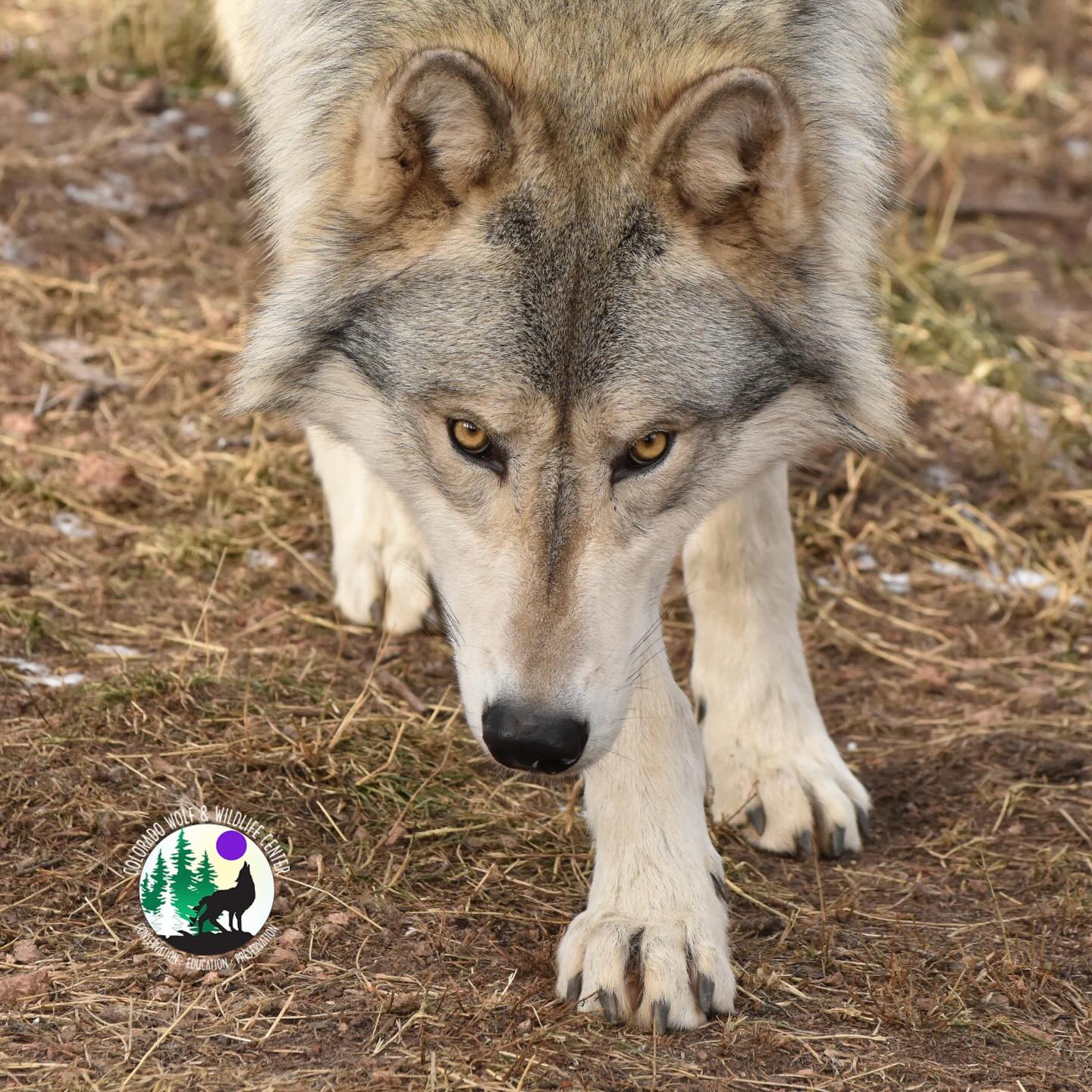
- Wolves’ Fur Structure and Adaptation
- Behavioral Characteristics of Wolves
- The Role of Wolves in Ecosystems
- Conservation Efforts to Protect Wolf Populations
- The Relationship Between Wolves and Humans
Wolves, belonging to the family Canidae, are notable for their remarkable adaptations and significance in various ecosystems. A prominent feature of wolves is their dense ruff of fur that runs from their cheeks down to their neck and shoulders. This adaptation serves both thermal insulation and communication. Wolves have evolved with this thick fur coat, which not only protects them from cold temperatures but also reflects their role as apex predators. The long guard hairs add an element of resilience against harsh weather conditions, facilitating their survival in environments where temperatures can plummet.
The physical structure of wolf fur plays an integral role in their behavioral traits as well. Wolves are known for carrying their heads level with or just below their back and shoulders. This posture aids in communication and social interactions. Through subtle shifts in head and body positioning, wolves convey emotions and intentions to pack members. Such behaviors are crucial for maintaining the social structure within their packs, which can consist of a family unit including a breeding pair and their offspring. Social hierarchies and interaction patterns among pack members are key topics in understanding wolf behavior.
Wolves exhibit a range of behavioral traits and complex social structures. Their pack dynamics are intricate; they function as cooperative hunters, strategizing to bring down larger prey. This cooperation is essential for their survival, as hunting alone can prove challenging. The social hierarchies within a pack dictate roles, from the alpha pair leading to the omega wolves serving as submissive members. These behaviors are all vital for group cohesion and efficient hunting.
Moreover, wolves employ vocalizations and body language as forms of communication, enhancing their capability to work together. Their famous howls resonate across vast distances, serving multiple purposes from marking territory to coordinating hunts. Understanding these vocalizations requires keen observation of context, such as time of day, specific pack call patterns, and individual wolf behaviors. The depth and variety of these interactions illustrate why wolves are often a subject of fascination in wildlife studies.
Wolves serve an indispensable role in ecosystems. As top-tier carnivores, they maintain the balance between herbivores and vegetation. Their predation keeps populations of species like deer in check, preventing overgrazing and promoting plant diversity. A landmark study highlighted how the reintroduction of wolves into Yellowstone National Park transformed the ecosystem. Following their return, there was a notable reduction in elk populations, allowing willow and aspen trees to thrive. This chain reaction benefitted numerous other species, demonstrating the interconnectedness of ecosystems and the pivotal role wolves play.
Wolves also help control populations of smaller carnivores, allowing for the proliferation of diverse species in their habitats. Ecosystem balance is crucial for preserving biodiversity. With the loss of apex predators such as wolves, ecosystems can shift dramatically, often leading to negative consequences like habitat degradation and loss of biodiversity.
In recent years, conservation efforts for wolves have gained momentum, emphasizing the importance of protecting these majestic animals. Historically, wolves have been victims of persecution due to fears of livestock loss and human safety concerns. These views have shifted in many areas as understanding of wolves’ ecological roles has improved. Conservation programs advocate for coexistence strategies. These include better livestock protection measures, public education on the ecological benefits of wolves, and legal protections that enable healthier populations.
Collaborative efforts among governments, non-profit organizations, and local communities are vital for successful wolf conservation. Wildlife corridors are implemented to connect fragmented habitats, allowing for safe passage and genetic exchange between wolf populations. These initiatives bolster the chances of long-term survival. Moreover, community involvement in conservation efforts fosters a sense of responsibility and care for local wildlife.
While wolves have faced significant challenges over the years, their resilience and adaptability speak volumes about their importance to ecosystems and biodiversity. The relationship between wolves and humans remains complicated, yet education and advocacy continue to shift perceptions. Understanding the ecological significance of wolves can foster a more harmonious relationship. Increased awareness is critical as society moves towards more sustainable attitudes that benefit both wildlife and humans.
In summary, wolves exemplify the intricate balance of nature, showcasing remarkable adaptations and social behaviors. By shedding light on their ecological importance and the necessary conservation efforts, we further our understanding of the natural world. Knowledge and respect for these animals are essential for fostering a future where both wildlife and human communities can coexist sustainably.
*****
Source Description
Good morning from Nanuk!
Wolves have a dense ruff of fur runs from their cheeks down the neck to the shoulders, with long guard hairs that blend smoothly into their coat. They’re also known for carrying their heads level with—or just below—their back and shoulders.
